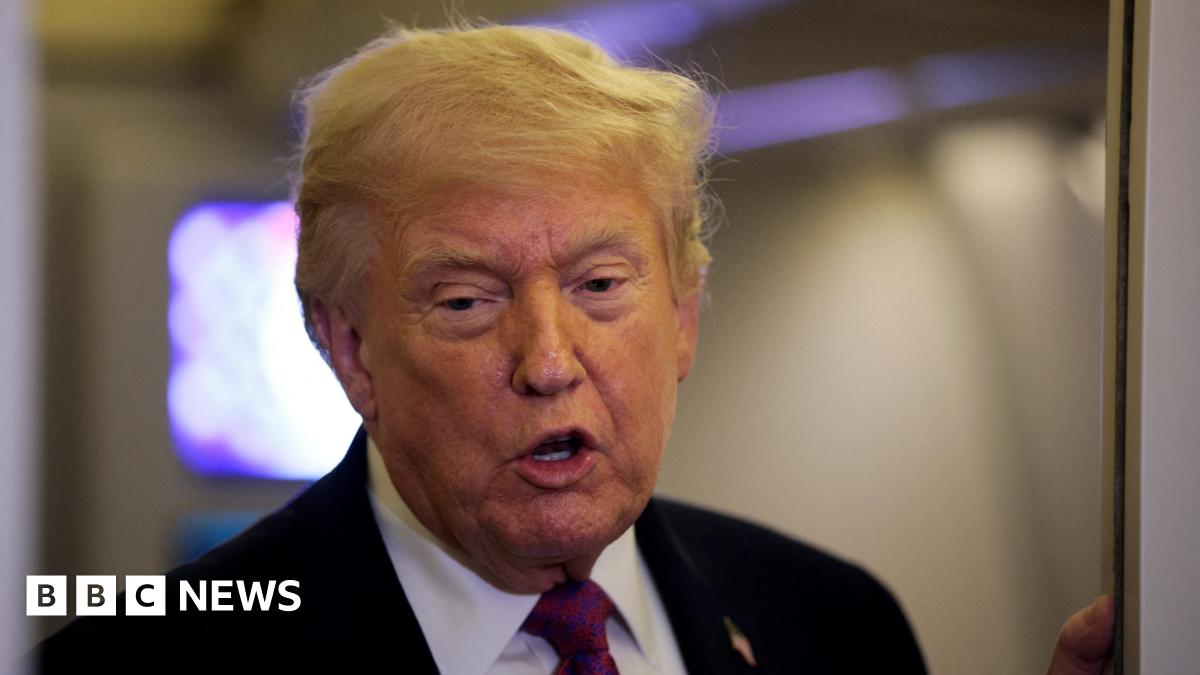
US negotiators are set to return to Pakistan on Monday for another round of talks with Iran, as President Trump reiterated a threat to destroy every power plant and bridge in Iran if a deal is not reached, raising renewed concerns about potential violations of international law.
The Strait of Hormuz remains closed, with Iran maintaining its blockade of the vital shipping lane through which roughly one-fifth of global oil trade passes, citing the ongoing US blockade of Iranian ports as justification. Iranian officials, including parliament speaker Mohammed Bagher Qalibaf, said ships would not transit the strait while the US blockade remains in effect, calling it an “act of aggression.”
Despite the ceasefire between Israel and Lebanon holding since April 17, pressure mounts on both Washington and Tehran to extend their own fragile truce, which is due to expire on Wednesday. Iran’s chief negotiator acknowledged a wide gap remains between the sides on core issues including uranium enrichment, support for groups like Hezbollah, and control of the Strait of Hormuz, even as Tehran said it had received novel proposals from the United States.
The White House confirmed that Vice President JD Vance will lead the US delegation to Islamabad, alongside special envoy Steve Witkoff and Jared Kushner, after a series of conflicting statements about his participation due to security concerns and short notice for Secret Service preparations. Pakistani authorities have begun tightening security in Islamabad, mirroring the near citywide lockdown implemented during the previous round of talks.
Trump’s repeated threats to target civilian infrastructure — including electricity plants and bridges — have drawn sharp criticism from legal experts. Luis Moreno Ocampo, founding chief prosecutor of the International Criminal Court, stated that such attacks could constitute war crimes under the Rome Statute, which defines intentionally directing attacks at civilian objects not used for military purposes as a violation. He emphasized that even dual-use infrastructure loses its protection if the primary effect is on civilian life.
White House Press Secretary Karoline Leavitt rejected the notion that the administration would act outside the law, insisting US forces would operate within legal confines. However, she added that Trump would pursue the full objectives of “Operation Epic Fury” unabated and expects Iran to accept a deal. In a prior interview, Trump said he did not “need” international law and was limited only by his own morality.
The talks come amid broader regional tensions, including London police investigating a series of arson attacks on Jewish sites potentially linked to Iranian proxies. The group Ashab al-Yamin has claimed responsibility for similar incidents across Europe, targeting premises associated with Israeli or Jewish interests.
Pakistan’s deputy prime minister Mohammad Ishaq Dar spoke with Iranian foreign minister Abbas Araghchi on Sunday, stressing the need for continued dialogue to promote regional peace and stability. A separate call between Iranian President Masoud Pezeshkian and Pakistani Prime Minister Shehbaz Sharif is expected later today.
Why is the Strait of Hormuz central to the current standoff?
Iran has tied access to the Strait of Hormuz directly to the US blockade of its ports, stating that ships cannot transit while Iranian vessels are blocked. The waterway carries about 20% of the world’s oil and natural gas exports, and its closure threatens to deepen the ongoing global energy crisis as the conflict enters its eighth week.
What legal concerns have been raised about Trump’s infrastructure threats?
International legal experts, including the founding prosecutor of the ICC, have warned that threatening to destroy power plants and bridges in Iran could constitute a war crime under the Rome Statute if such targets are deemed civilian objects not serving a military purpose, especially given the potential devastating impact on civilian populations.