Japan’s national football team has faced repeated challenges in securing suitable training facilities in Mexico ahead of the 2026 World Cup, forcing two venue changes due to poor pitch conditions exacerbated by recent weather disruptions, according to reports from Yahoo and RÉCORD.
Training Ground Turmoil
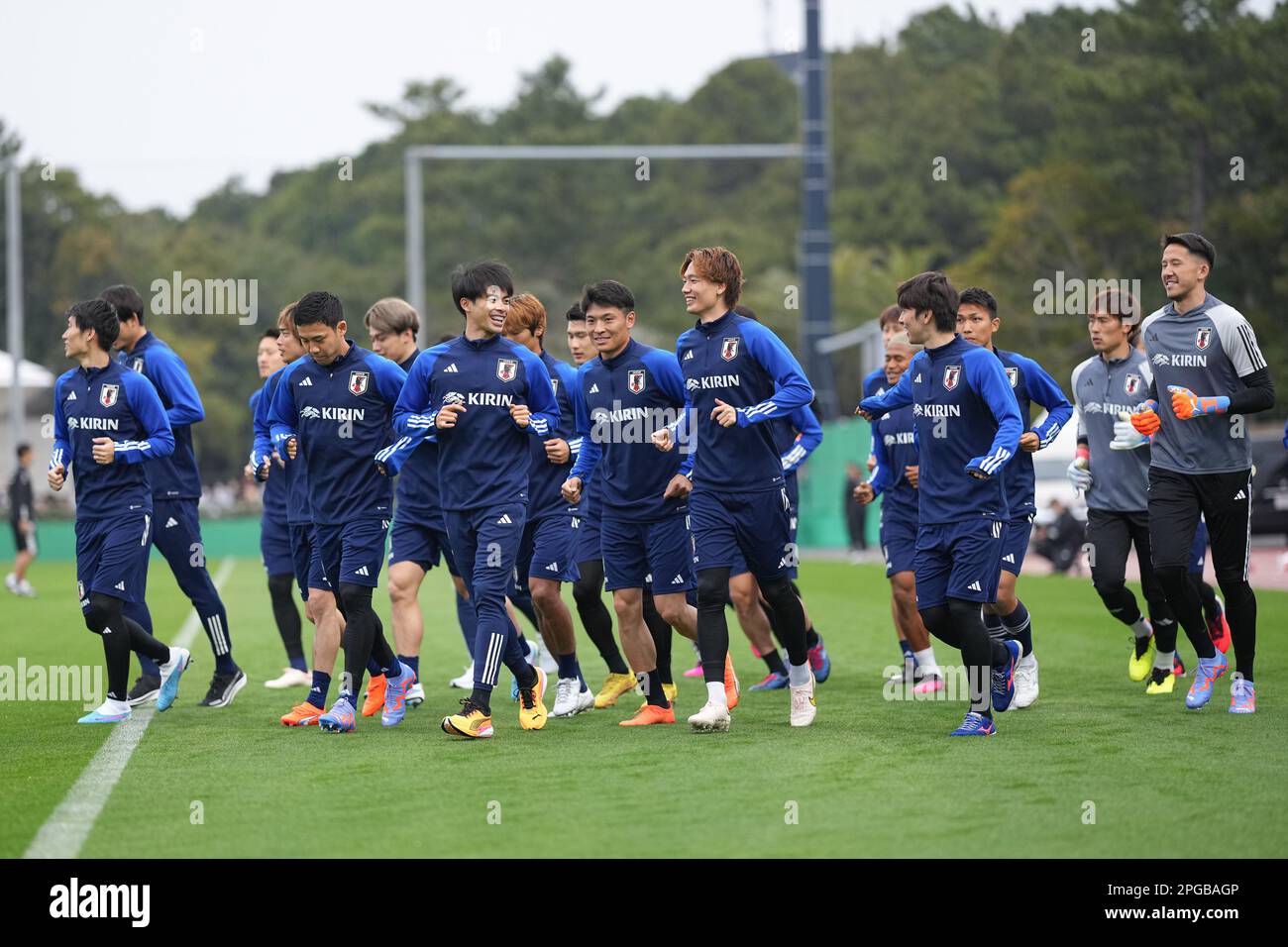
The Japanese squad, based in Monterrey for pre-World Cup preparations, initially planned to use a Tigres FC training ground but abandoned it after heavy rains damaged the pitch. A second relocation to a facility reserved for Japan’s U-19 team also proved unsatisfactory, leading to a final move to a Monterrey club venue in Santiago. “Es por culpa del mal tiempo, no podemos hacer nada al respecto. Queremos asegurarnos una preparación óptima,” said Masakuni Yamamoto, head of national teams at the Japan Football Association, as reported by Yahoo. The team will relocate to Nashville, Tennessee, starting June 8, with Yamamoto noting “los preparativos se desarrollan sin contratiempos.”
The disruptions highlight the logistical complexities of international tournament preparation, particularly in regions with unpredictable weather. Japan’s Group F schedule includes matches against the Netherlands on June 14 in Dallas, Tunisia on June 20 in Monterrey, and Sweden on June 25 in Kansas City. These fixtures represent a critical stretch for the squad, which is looking to maintain a high level of physical readiness despite the interruptions to their local training cadence.
Quotes from the Officials
Yamamoto emphasized the necessity of the moves, stating, “Llegamos a esta conclusión (cambiar de sitio de entrenamiento) porque buscamos un mejor entorno.” The official also acknowledged the inevitability of the situation, noting, “Se debe al mal tiempo, así que es inevitable.” These remarks, translated from Spanish, reflect the team’s focus on prioritizing performance over convenience as they navigate the final stages of their camp in Mexico.
Takefusa Kubo, a key player in Japan’s 2022 World Cup campaign, addressed the team’s decision to shift venues. According to reports from RÉCORD, Kubo noted that the state of the pitches caused concern regarding potential injuries, stating, “Teníamos miedo de lesionarnos.” His comments underscore the internal pressure players feel when training environments fall below the professional standards required for tournament preparation.
Next Steps for the Samurai Blue
With the World Cup approaching, Japan’s focus shifts to stabilizing its preparations in Nashville. The U.S. venue, chosen as the team’s base, offers more controlled conditions and is expected to provide a consistent training environment. Yamamoto’s assurance of “no setbacks” in Nashville suggests confidence in the new setup, though the earlier delays may have raised questions about the team’s readiness. The transition to the United States will mark the final phase of the team’s pre-tournament itinerary, allowing the coaching staff to finalize their tactical configurations and player rotations for the group stage.
The situation also raises broader questions about the reliability of temporary facilities in tournament host nations. Mexico’s ability to host World Cup matches in 2026 remains unchallenged, but the Japanese team’s experience highlights the importance of contingency planning for visiting squads. As international teams finalize their logistics, the necessity of having “Plan B” facilities has become a focal point for team management, ensuring that weather-related disruptions do not derail the intensive training cycles required for modern tournament football.
Implications for the 2026 World Cup
Japan’s struggles in Mexico serve as a microcosm of the challenges teams face when adapting to new environments. The 2026 tournament, co-hosted by the U.S., Canada, and Mexico, will test not only players but also the logistical frameworks of all participating nations. As the Samurai Blue aims to build on its 2022 World Cup performance, securing stable training conditions will be critical to maintaining momentum. The technical staff is reportedly working closely with local organizers to ensure that the transition to Nashville is seamless, minimizing any further impact on the players’ physical load and tactical preparation.
The team’s ability to overcome these early hurdles could set the tone for its campaign. With matches against the Netherlands, Tunisia, and Sweden, Japan’s success will depend on its capacity to translate preparation into performance on the global stage. The upcoming matches in Dallas, Monterrey, and Kansas City represent a diverse range of conditions, and the team’s ability to remain focused despite the initial setbacks in Monterrey will be tested early in the competition. The squad remains committed to their objective of advancing past the group stage, with management emphasizing that the focus remains entirely on the upcoming tactical challenges and the physical health of the roster.