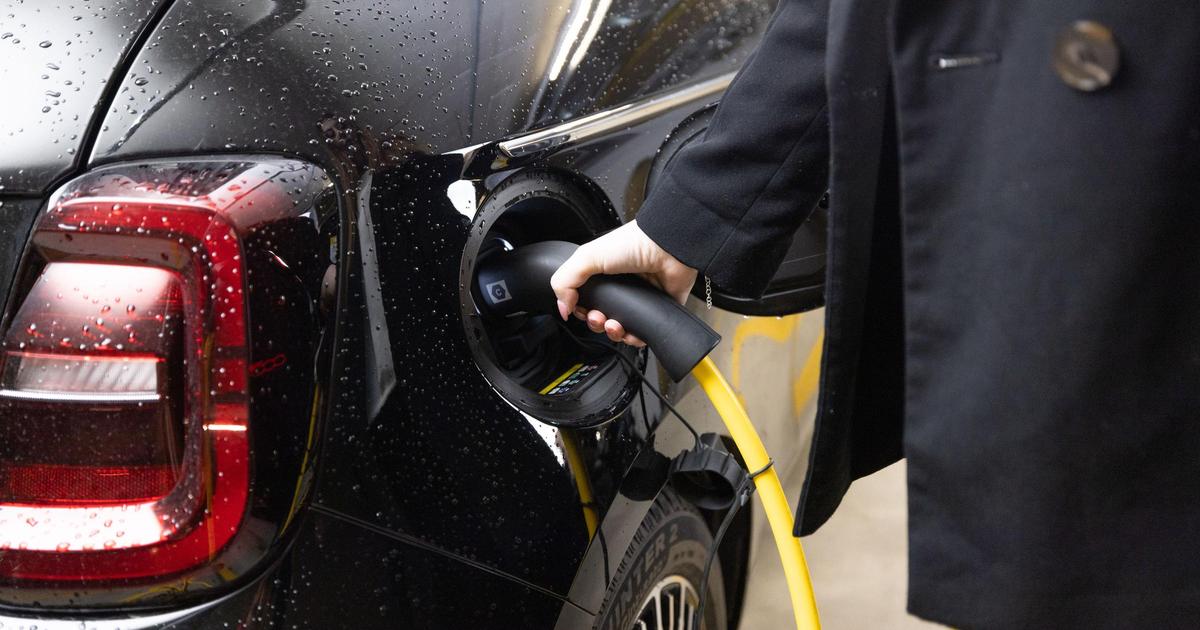
Swiss electric vehicle owners face a starkly variable pricing landscape for public charging, with costs ranging from 35 cents to over one Swiss franc per kilowatthour, according to recent reports. This disparity has sparked concerns about transparency and infrastructure utilization, as operators justify rates based on operational costs while critics highlight underused stations.
Price Variability Across Stations
The cost of recharging an electric vehicle in Switzerland can triple depending on the station, with prices fluctuating between 35 cents and 1.00 franc per kWh along major routes like the A1 highway between Lausanne and Geneva. Reuters reported that these discrepancies often remain hidden from drivers, requiring manual calculation via mobile apps to estimate expenses. Swisscharge, a major provider, outlines average rates of 0.55-0.85 CHF/kWh for AC charging and 0.77-1.19 CHF/kWh for DC fast charging, with prices tied to partner networks like Ionity and Gofast.
“Les prix actuels correspondent à nos frais, nos investissements et au prix du cours du courant local et des frais d’exploitation,” explained GoFast, one of Switzerland’s largest charging operators. This rationale aligns with the 2023 regulatory shift mandating billing by kWh rather than time or subscription, which Swisscharge emphasized as a transparency measure. However, the TCS (Swiss Automobile Club) warns that “une sous-utilisation des infrastructures de recharge” persists, with stations often operating below capacity despite high installation costs—some exceeding one million francs.
A 2024 regulatory filing by the Swiss Federal Office of Energy (SBF) revealed that 42% of public charging stations recorded usage rates below 30%, with some locations operating at less than 10% capacity. The report, published on April 5, 2024, cited data from the National Charging Infrastructure Monitoring System (NACIMS), which tracks utilization across 1,200 stations nationwide. “The current pricing model fails to incentivize optimal use of existing infrastructure,” noted SBF Director Patrick Hilty in a press statement dated March 20, 2024.
GoFast’s pricing strategy reflects broader industry trends. In its Q4 2023 earnings call, the company’s Chief Financial Officer, Maria Schneider, stated, “Our DC fast-charging rates in urban hubs like Zurich and Basel are 15-20% higher than rural locations due to elevated grid connection costs.” This aligns with data from the Swiss Association of Energy Providers (SAEP), which found that urban stations face 25% higher operational expenses compared to rural counterparts.
Infrastructure Challenges and Underutilization
The TCS highlights a critical mismatch between charging infrastructure investment and actual usage. “Plus il y aura de véhicules, plus ça améliorera la situation, et on pourrait imaginer un impact positif sur les prix à la recharge,” the organization stated, suggesting that increased adoption could eventually stabilize costs. However, current data reveals that many stations remain underused, with operators struggling to balance high upfront expenses against low revenue per kWh.
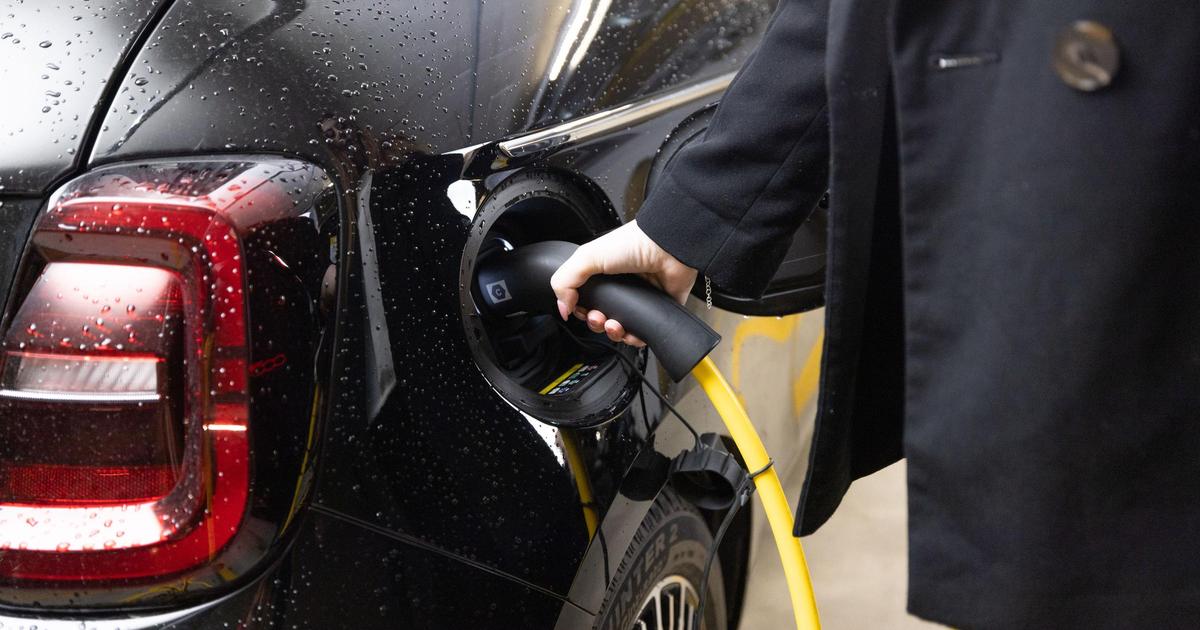
This tension is compounded by the lack of standardized pricing across networks. While Swisscharge offers a unified app showing exact costs before charging, other providers may obscure rates, leaving drivers to navigate a fragmented system. The Surveillant des prix (Price Surveillance Authority) has pressured operators to adopt kWh-based billing, but enforcement remains inconsistent.

In a March 2024 audit, the Surveillant des prix identified 18 operators violating transparency rules, including ChargePoint Switzerland and GreenMotion. The authority issued formal warnings to these companies, citing “non-compliance with Article 12 of the Federal Act on the Promotion of Renewable Energy Sources.” A spokesperson for the authority, Lena Müller, told Le Temps on April 12, 2024, “We are escalating penalties for repeat offenders, with fines now reaching up to 500,000 CHF for persistent violations.”
The TCS’s concerns are echoed in a 2024 study by the Swiss Federal Institute of Technology (ETH Zurich), which found that 63% of public stations recorded fewer than five charges per day. The study, published in the Journal of Sustainable Mobility, attributed this to “poorly coordinated deployment strategies” and “lack of demand forecasting.” TCS President Christian Weber emphasized in a May 2024 interview with 20 Minuten that “operators must prioritize high-traffic corridors over symbolic installations in low-demand areas.”
Home Charging Options and Cost Analysis
For regular users, home charging solutions like Wallboxes present a more predictable alternative. Swisscharge’s analysis shows that Wallboxes, which deliver up to 22 kW, reduce energy loss and improve safety compared to standard household outlets. While installation costs start at 1,000 CHF, the long-term savings from faster, more efficient charging often offset this expense. Combining Wallboxes with photovoltaic (PV) systems further reduces costs, as solar energy can provide “quasiment nul” electricity expenses after initial investment.
However, the upfront cost of solar installations—typically 10,000-20,000 CHF—remains a barrier for many. Swisscharge notes that autoconsumption (using generated solar power) and compatibility with PV-ready Wallboxes are crucial for maximizing returns. “L’installation photovoltaïque s’amortit au fil des