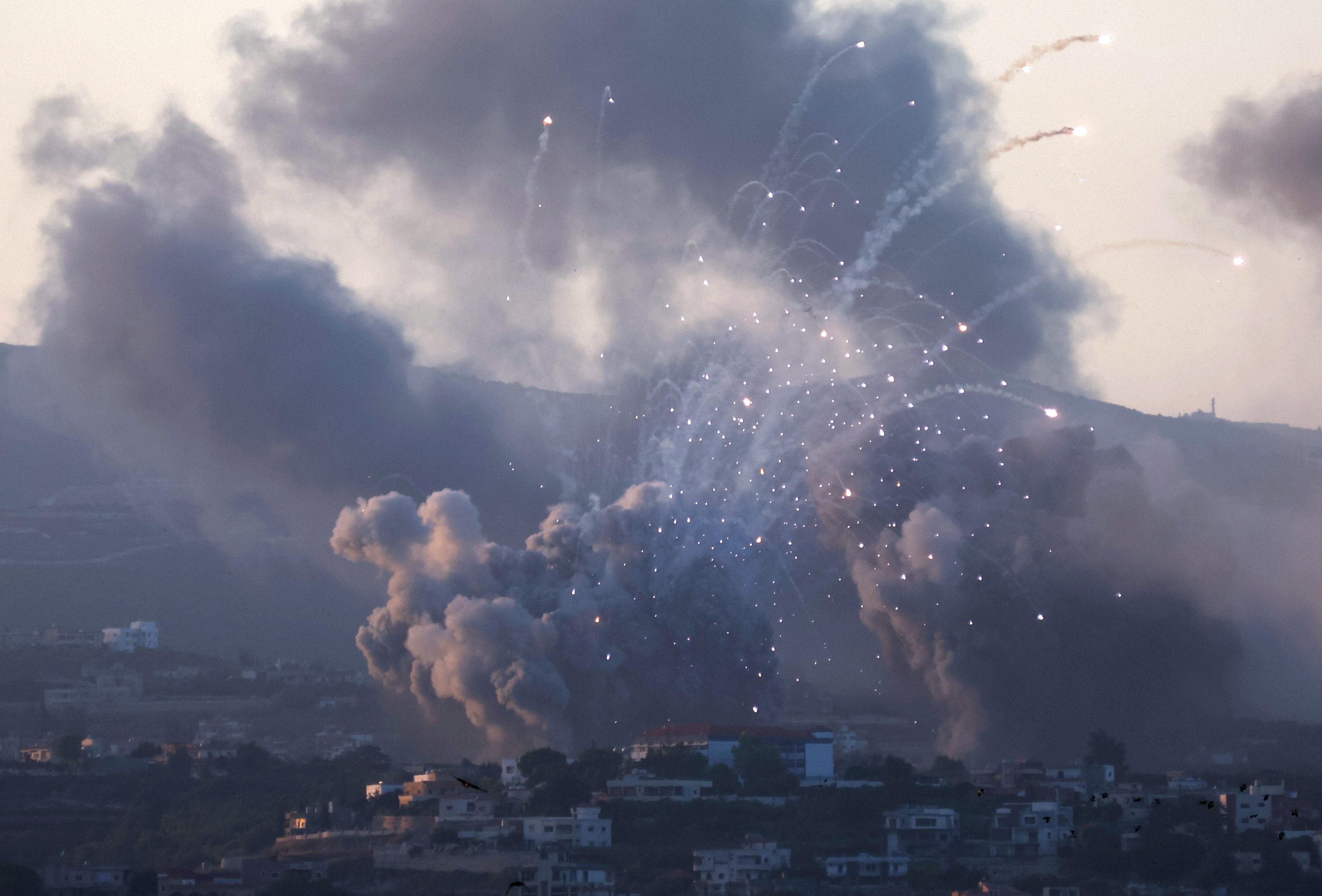
At least 39 people were killed in Israeli airstrikes in Lebanon on May 10, 2026, according to Lebanese authorities, as cross-border tensions persist despite a fragile ceasefire agreement.
Casualty Numbers Vary Amid Escalating Violence
Recent Israeli airstrikes in Lebanon have resulted in at least 39 confirmed fatalities, with local authorities reporting widespread destruction across southern regions. The Lebanese Health Ministry cited multiple attacks targeting vehicles and civilian infrastructure, though precise casualty figures remain contested. Earlier reports from May 14, 2026, indicated at least 22 deaths, while other accounts suggested higher tolls, including claims of over 180 casualties in prior strikes. These discrepancies underscore the challenges of verifying real-time conflict data amid ongoing hostilities.
Israeli military operations, which reportedly targeted pro-Iranian Hezbollah positions, have intensified despite a three-week-old ceasefire. The Israeli Defense Forces stated their actions aimed to disrupt Hezbollah’s military capabilities, while the group claimed responsibility for attacks on Israeli forces in the occupied Golan Heights. The conflict’s fluid nature has left both sides accusing each other of violating the ceasefire, with no clear resolution in sight.
International Condemnation and Diplomatic Efforts
The United Nations and multiple governments condemned the attacks, with the UN calling for an immediate de-escalation. A May 14 statement from the Lebanese government highlighted the humanitarian toll, citing “massive civilian suffering” and urging international intervention. The UN Security Council has repeatedly called for adherence to the ceasefire, but enforcement remains limited.
For more on this story, see Israeli airstrike kills Lebanese journalist Amal Khalil in southern Lebanon attack.
Diplomatic efforts to stabilize the region have included renewed talks between Lebanon and Israel. A May 16 agreement extended the ceasefire by 45 days, with both parties pledging to “prevent further escalation.” However, Hezbollah has rejected the arrangement, vowing to continue resistance against Israeli forces. The group’s continued military activity complicates efforts to achieve lasting peace, as does the broader regional rivalry between Israel and Iran, which fuels Hezbollah’s operations.
Humanitarian Crisis and Regional Impacts
The attacks have exacerbated Lebanon’s existing economic and social crises. The country, already grappling with a severe currency collapse and political instability, faces renewed displacement and infrastructure damage. NGOs report shortages of medical supplies and shelter for displaced families, while the World Health Organization warns of rising health risks in affected areas.

Regional implications are also significant. The conflict has strained relations between Lebanon and its neighbors, with Syria and Iran expressing solidarity with Hezbollah. Meanwhile, the U.S. and European allies have urged restraint, emphasizing the need for a political solution. The situation remains highly volatile, with both sides preparing for potential further clashes.
What Comes Next?
As of May 17, 2026, the extended ceasefire provides a temporary reprieve but does not resolve underlying tensions. The Lebanese government has demanded Israel’s full withdrawal from occupied territories, while Israel insists on disarming Hezbollah. Without broader diplomatic breakthroughs, the cycle of violence is likely to continue.