
France is baking under its earliest and most extreme May heatwave on record, with temperatures soaring to 38°C or 39°C in some regions—levels never seen before in late spring—and meteorologists warning this is just the start of a summer of unprecedented heat. Thirteen departments, including parts of the Loire Valley and Gironde, were placed under orange alert for heatwave on Tuesday, as officials confirmed at least seven deaths already linked to the scorching conditions. The episode, described by climatologists as “historical, exceptional, and totally unprecedented”, has shattered records across 11 Maine-et-Loire communes alone, with Saumur hitting 36.1°C—a full 10–15°C above normal for this time of year.
Why This Heatwave Is Different: Records Shattered, Not Just Broken
This isn’t just another hot spell. According to Météo-France climatologist Matthieu Sorel, the current wave is “without comparison” to past May heatwaves—even those from 2005, 2017, or 2022. More than 350 monthly heat records were smashed in a single day, with nighttime temperatures in Brittany and the Loire estuary staying above 20°C, levels typically seen in July. “We’re redefining climatology for May,” Sorel told reporters. “This is what we’ll see more often in the coming decades—and then as the new normal by century’s end.”
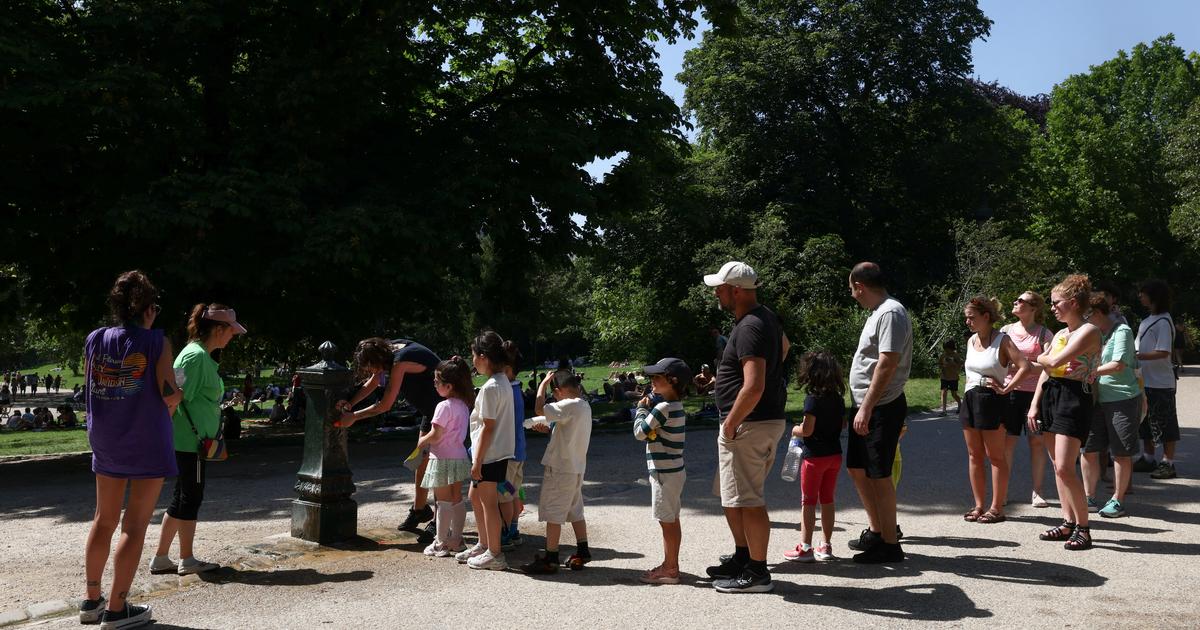
The scale of the anomaly is staggering. As Orange Actualités reports, temperatures are running 11–13°C above seasonal averages, with the dôme de chaleur—a high-pressure system trapping African heat—locking in the furnace-like conditions until at least Sunday. The ministry of Ecological Transition called it “the first of a series”, with Europe’s broader heat domes pushing Ireland to 28.8°C and the UK to over 30°C—also record-breaking for May.
Local Impact: Lives Disrupted, Records Falling in Maine-et-Loire
In Maine-et-Loire alone, 11 communes hit all-time May highs on Tuesday, with Saumur’s 36.1°C marking the department’s hottest day ever recorded in late spring. Ouest-France’s temperature data shows the same towns—from Angers (35°C) to Pouancé (32.8°C)—that broke records Monday repeated the feat Tuesday, with no relief in sight. The heat has forced cancellations: Rennes’ basketball club, Cercle Paul Bert, scrapped training sessions until Friday, while construction workers in the Loire Valley now start shifts at 6 a.m. to avoid the afternoon’s “suffocating” conditions.

“After 15 hours, it’s unbearable—you can’t breathe.
The human cost is already visible. Seven deaths have been linked to the heatwave, with officials warning the toll will rise as the week progresses. The red alert for extreme heat—covering 16 departments including Paris—was triggered Tuesday, a rare designation signaling “exceptional” danger to public health. “This isn’t just about discomfort,” said Cyril Wuest of La Chaîne Météo. “It’s a systemic risk—no wind, no clouds, just relentless heat building on itself.”
The Climate Connection: “This Is What We Warned About”
Climatologists have long predicted such extremes would arrive decades sooner than expected. Sorel’s warning is blunt: “This is the future we’ve been describing for years”. The current wave isn’t just hotter—it’s earlier. Past May heatwaves (1947, 1992, 2005) were late-season spikes; this one arrived in late May, with nighttime temperatures 10°C above normal. “We’re seeing May temperatures that used to be July norms,” Sorel said. “And by mid-century, this will be the baseline.”
The ministry of Ecological Transition framed it as a “wake-up call”: the heatwave is both a symptom and an accelerant of climate change. “The solution is clear,” Sorel added. “We must stop emitting greenhouse gases now—or these events will become the norm, not the exception.”
What Comes Next: A Summer of Uncertainty
The next 72 hours will test France’s resilience. Meteorologists predict temperatures will peak Thursday and Friday, with 39°C possible in localized areas. The orange alert will persist until Sunday, though some regions may see brief respite. But the bigger question is whether this is a one-off or the start of a new normal.
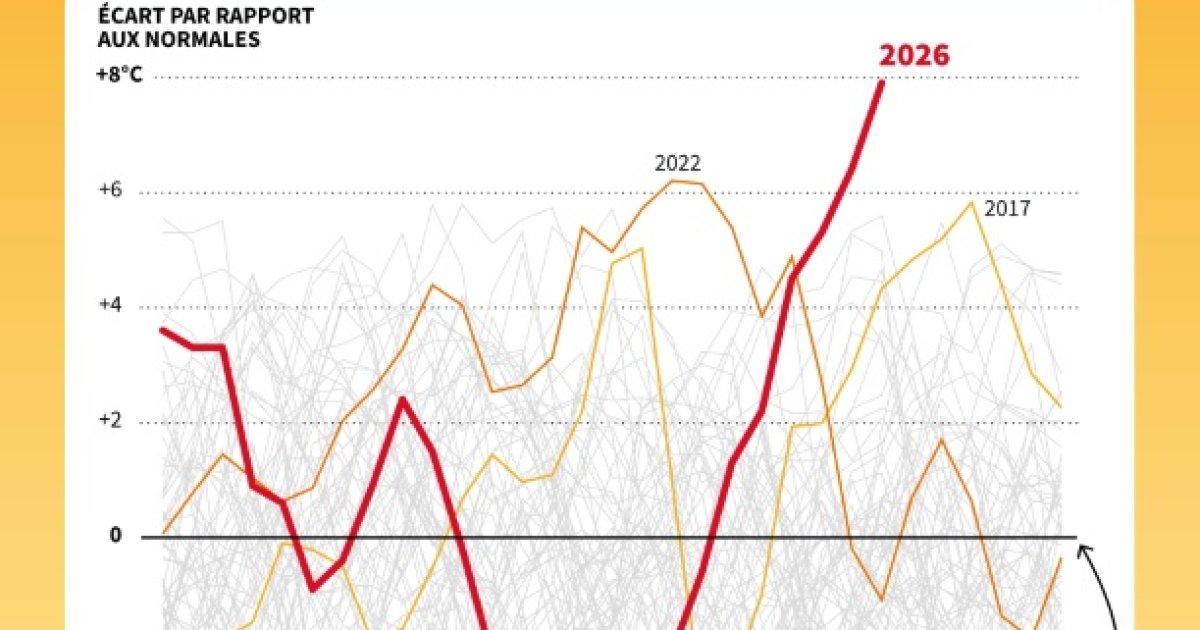
Historically, May heatwaves were rare outliers. Now, they’re the “first domino” in what officials call a “series”. If this pattern holds, Europe’s summer could resemble the 2022 drought or the 2019 heatwaves—but worse, and earlier. The minister of Ecological Transition has already signaled preparations for a “long, hot season”, with water restrictions and health alerts likely to follow.
For now, the focus is survival. Workers adjust schedules, hospitals brace for heatstroke cases, and climatologists sound the alarm: “This isn’t the end. It’s the beginning.” The question is no longer if such heatwaves will return—but how soon.