
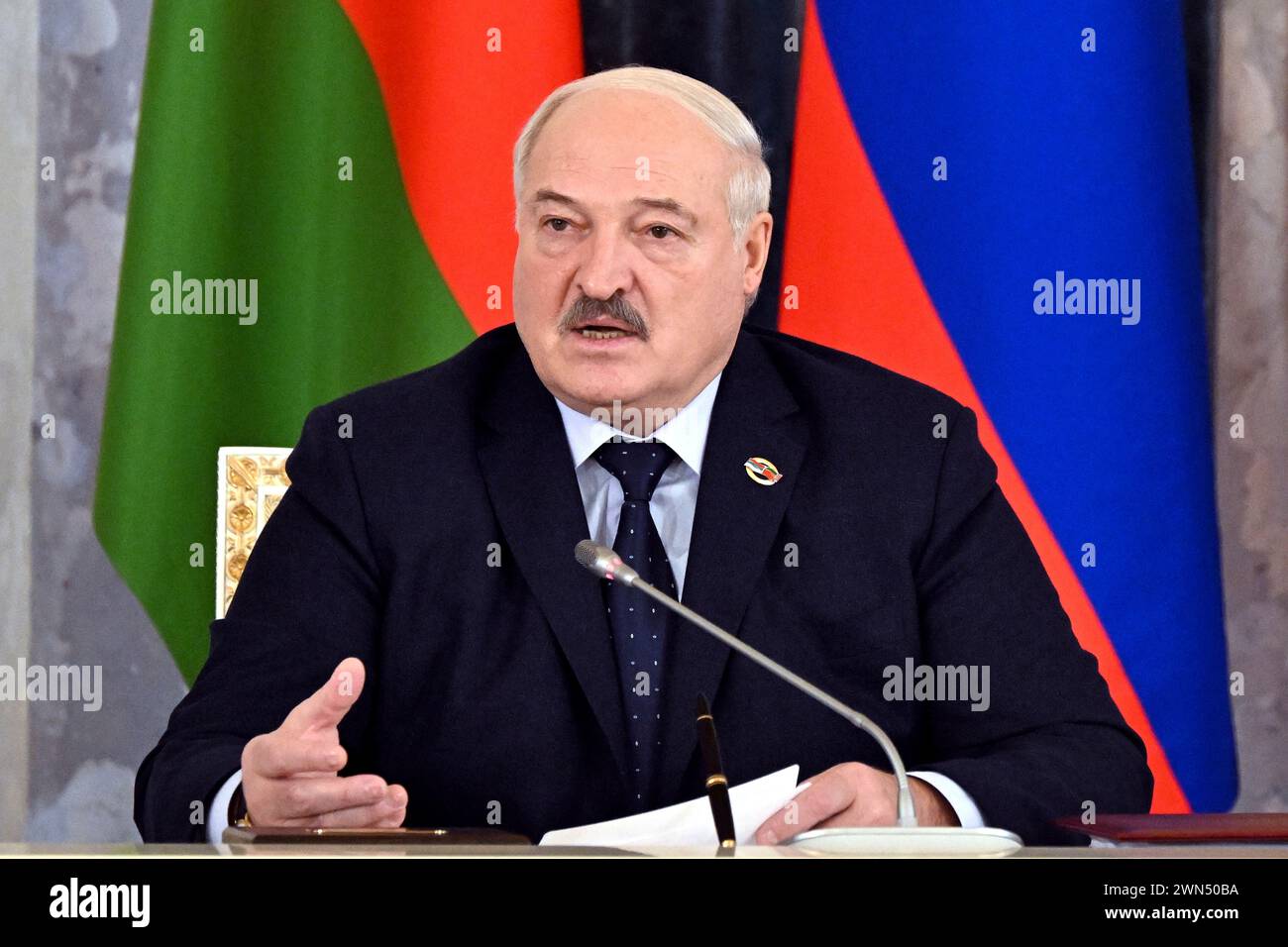
Belarusian President Alexander Lukashenko has resurfaced as a central figure in global geopolitics, with U.S. policy shifts, regional tensions, and a high-profile human rights case reshaping his international standing. The Ukrainian government has intensified efforts to isolate him, while U.S. actions and economic leverage are complicating those efforts, according to recent developments.
Geopolitical Tensions and U.S. Involvement
The U.S. has quietly eased sanctions on Belarus as part of a broader strategy to counter Russian influence, a move that has drawn sharp criticism from Kyiv. Analyst Boris Ginzburg noted that the temporary relief aims to leverage Belarus’s strategic position, particularly its role in global potassium (Kali) exports. “For the U.S., this is not just about business—it’s a bid to create economic interdependence that could shift Lukashenko’s alignment,” Ginzburg said, citing the Frankfurter Rundschau.
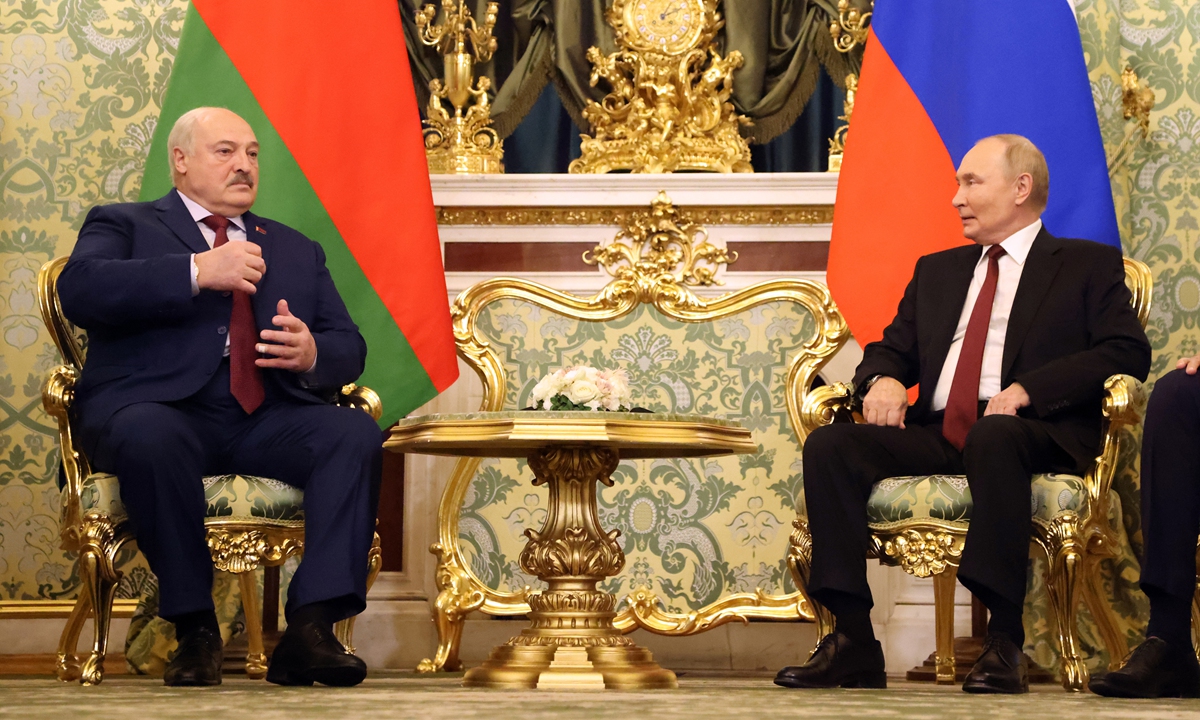
The Kali issue has become a flashpoint. With the Strait of Hormuz closed, global fertilizer prices have surged, making Belarus—a major exporter—a critical player. U.S. pressure on Baltic states to open ports for Belarusian exports has further complicated regional dynamics. Lithuania’s foreign minister, Kestutis Budrys, confirmed the U.S. push to use the Klaipėda port for Kali shipments, though he framed it as a response to “higher powers,” per the same source.
Human Rights Concerns in Belarus
A separate thread in the crisis is the case of Aliaksandra Pulinovich, a 17-year-old student arrested in January 2024 for alleged ties to an anti-regime group. The International Society for Human Rights (IGFM) highlighted the case as emblematic of systemic repression. Pulinovich, tried under Belarusian law for “high treason” and “terrorism,” was sentenced to 10 years in a labor camp in October 2025. Her trial, conducted in secret, saw her mother barred from participating as a legal guardian, according to the IGFM report.
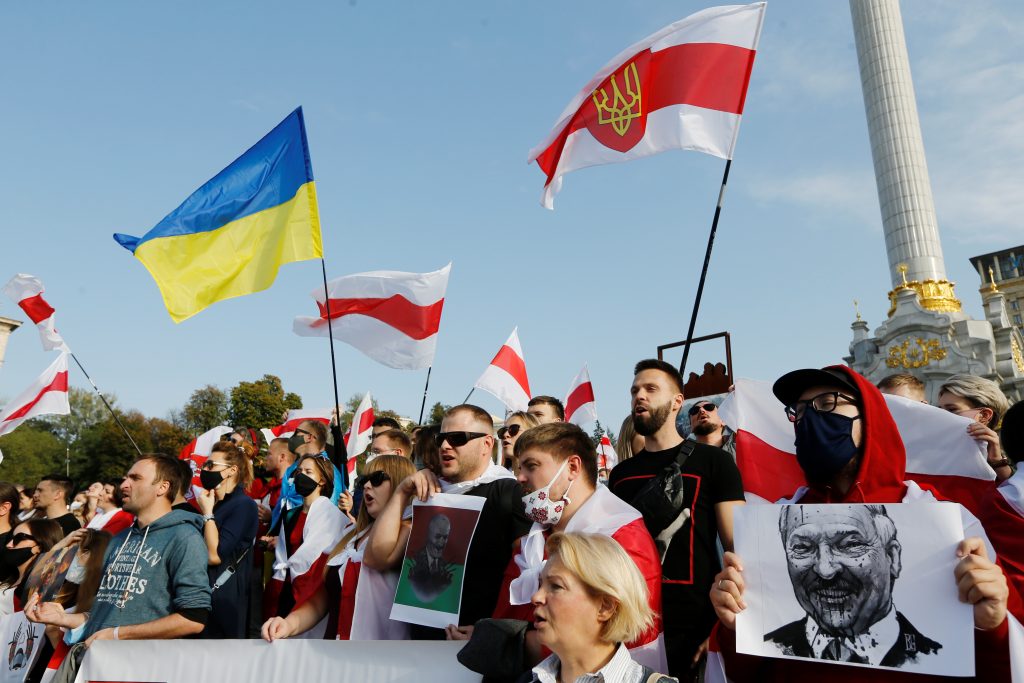
The case underscores the regime’s tactics: framing dissent as a threat to national security. Pulinovich’s alleged affiliation with the “Black Nightingales” group was tied to Ukrainian intelligence, a claim the IGFM called “a clear attempt to stoke geopolitical tensions.” Her sentence, handed down after she turned 18, raises questions about the legal process, as the alleged crimes occurred before her majority.
The Kali Export Dilemma and Regional Pressures
The Kali issue reveals the fragile balance of power in the region. Belarus’s reliance on Russian support has been challenged by U.S. economic incentives, creating a rift between Kyiv and Washington. Ukraine’s President Volodymyr Zelenskyy has demanded Lukashenko’s isolation, but the U.S. approach risks emboldening the Belarusian leader. “The Kali deal is a double-edged sword,” said a European Union official, speaking to the Frankfurter Rundschau. “It could weaken Russian influence, but it also gives Lukashenko a new bargaining chip.”
Baltic states, particularly Lithuania, face mounting pressure. While Vilnius has resisted direct U.S. demands, the Klaipėda port remains a point of contention. The IGFM report noted that the case of Pulinovich has galvanized international condemnation, with human rights groups urging the EU to tie sanctions to judicial reforms.
What Comes Next?
The coming months will test the durability of U.S. leverage over Belarus. If the Kali deal proceeds, Lukashenko may gain renewed confidence, potentially altering his stance on Russia. Conversely, sustained international pressure—especially from the EU—could force a reckoning. For Ukraine, the challenge is clear: preventing Belarus from becoming a proxy battleground while navigating its own strained relationship with Washington.
The Pulinovich case, meanwhile, serves as a stark reminder of the human cost of geopolitical chess. As the IGFM’s Olga Karatch wrote, “This isn’t just about one girl—it’s about the soul of a nation under siege.” The world watches, but the stakes are far more personal than the headlines suggest.