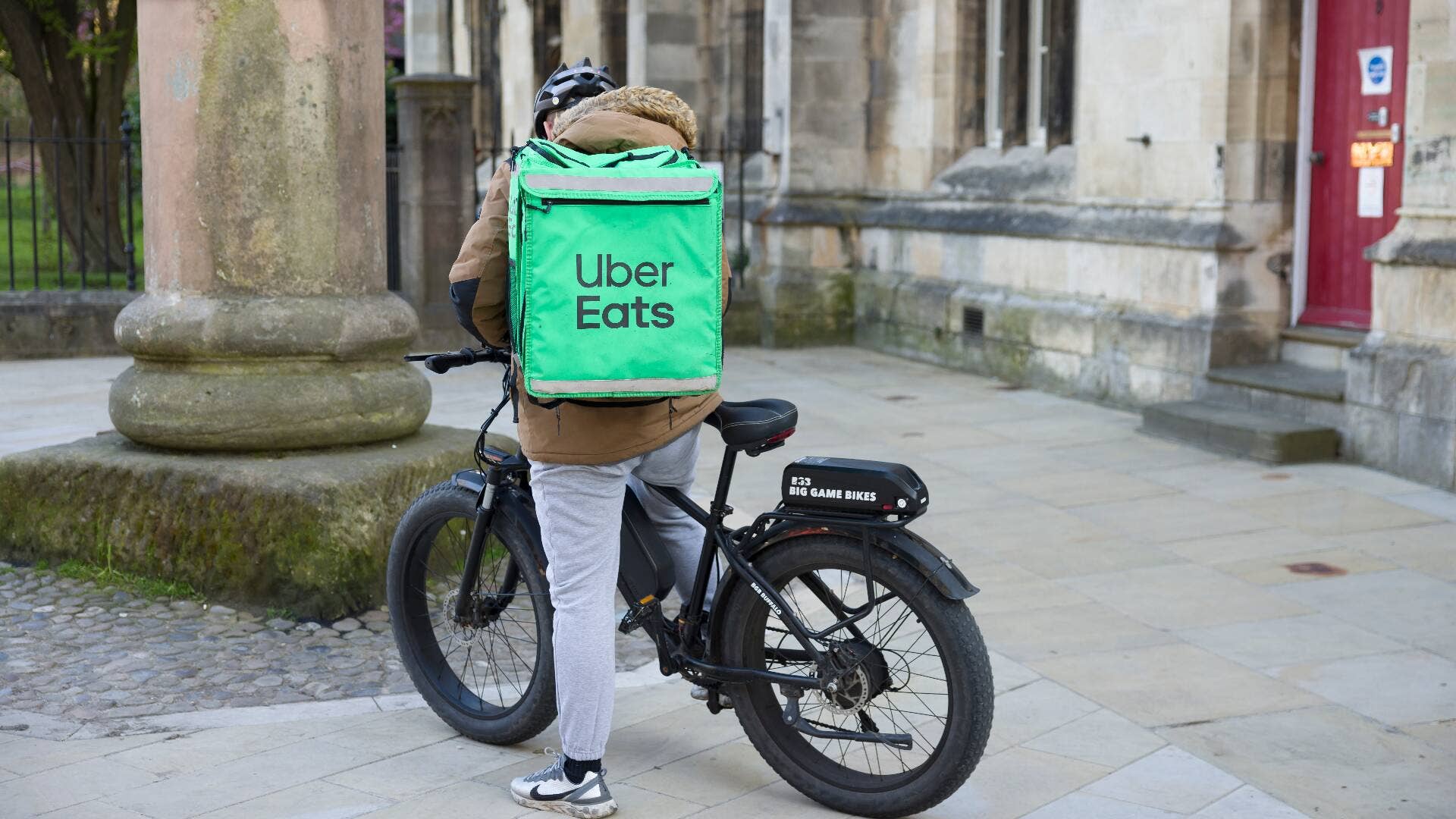
Uber launched a €10 billion ($11 billion) takeover bid for Delivery Hero, owner of PedidosYa, on May 28, 2026, according to multiple reports. The offer, initially valued at €33 per share, was rejected by Delivery Hero’s board, which cited insufficient value. Meanwhile, Uber’s expansion in Latin America—including a failed bid for PedidosYa’s parent company—highlights its aggressive push into global delivery dominance.
Uber’s €10 Billion Bid for Delivery Hero and the Board’s Rejection
Uber’s €10 billion bid for Delivery Hero, announced two days ago, marks its most ambitious attempt to consolidate the food-delivery market. Delivery Hero, the German conglomerate behind brands like PedidosYa (Latin America), Talabat (Middle East), and Foodpanda (Asia), operates in over 45 markets with 100 million monthly users. Uber’s offer, first reported by La Nación and confirmed by other outlets, sought to merge its Uber Eats platform with Delivery Hero’s global network, creating a rival to DoorDash and Just Eat Takeaway.
Yet Delivery Hero’s board rejected the bid, calling it “insufficient” and signaling a preference for alternative suitors. The company’s shares surged on the news, reflecting investor optimism about a higher offer. Uber’s €33-per-share proposal—valuing Delivery Hero at €11.5 billion—was seen as too low, especially after the company’s 2025 revenue hit €4.5 billion. Analysts suggest Uber may return with a revised offer, but Delivery Hero’s board has shown little flexibility.
- Uber’s offer: €10 billion (€33/share)
- Delivery Hero’s 2025 revenue: €4.5 billion
- Rejection reason: “Insufficient value” (Delivery Hero board)
Uber’s Failed Acquisition Attempt of Rappi in Latin America
Uber’s rejection in Europe didn’t stop its push in Latin America, where it attempted to acquire Rappi, the Colombian delivery giant and majority owner of PedidosYa. Reports from La Nación and other outlets confirm Uber made an indicative offer of €33 per share, valuing Rappi at $13 billion. However, Rappi’s board—backed by SoftBank and other investors—rejected the bid, citing concerns over Uber’s integration strategy and valuation gaps.

This setback follows Uber’s 2025 expansion into Latin American delivery, where it operates PedidosYa (Argentina, Brazil, Mexico) and Uber Eats. The region is critical for Uber: delivery services account for 25% of its global gross bookings, up from 15% in 2024. Yet Rappi’s rejection forces Uber to reconsider its approach, possibly through partnerships or smaller acquisitions.
Latin America delivery market snapshot (2026):
- Uber’s market share: ~20% (behind Rappi’s 30%)
- PedidosYa’s daily orders: 1.2 million (Argentina/Brazil)
- Rappi’s valuation: $13 billion (post-rejection)
Uber’s Automation and AI Investments to Strengthen Delivery Operations
Beyond acquisitions, Uber is betting on automation and AI to strengthen its delivery network. The company’s Uber Connect platform, launched in 2025, enables same-day, no-contact deliveries for businesses and individuals. Meanwhile, its robotaxi partnerships—with Lucid Motors, Nuro, and Zoox—could extend to delivery drones by 2027, according to Wikipedia’s 2026 update.
In Latin America, Uber is testing electric delivery scooters in São Paulo and Bogotá, aiming to cut emissions by 30% by 2028. The region’s fragmented market—where local players like 99 (Brazil) and Cornershop (Chile) dominate—makes consolidation a priority. Uber’s rejection in Europe and Latin America suggests it may pivot to strategic investments rather than full acquisitions.
- Uber Connect: Same-day logistics (2025 launch)
- Robotaxis for deliveries: Nuro/Zoox pilots (2027 target)
- Electric scooters: São Paulo/Bogotá trials (2026)
Potential Alternatives and Market Reactions to Uber’s Failed Bids
Delivery Hero’s board has not ruled out further bids, with Just Eat Takeaway and DoorDash reportedly in talks. Uber, however, may face an uphill battle: its €10 billion offer was 20% below Delivery Hero’s 2025 enterprise value, and the company’s stock has risen 15% since the rejection.
In Latin America, Uber’s options are limited.
- Partner with Rappi on logistics or payments (as it did with Mercado Pago in Brazil).
- Acquire smaller players, such as Cornershop or iFood (Brazil), to gain scale.
Uber’s stock dipped 3% on the news, reflecting investor concerns over its aggressive but inconsistent M&A strategy. Analysts warn that without a successful deal, Uber risks losing ground to Amazon’s delivery network and Alibaba’s Ele.me in key markets.
Market reactions (May 28, 2026):
- Delivery Hero stock: +15% (post-rejection)
- Uber stock: -3% (M&A concerns)
- Rappi stock: Unchanged (awaiting next moves)
Shifting Dynamics in the Global Food Delivery Industry
Uber’s failed bids underscore a global consolidation phase in food delivery. Unlike the 2020–2022 boom, when companies burned cash for growth, today’s market favors efficiency and tech integration. Delivery Hero’s rejection of Uber signals a shift: investors now demand higher returns, not just market share.
For Uber, the lesson is clear: money alone won’t win deals. Its next moves—whether in Europe, Latin America, or Asia—will hinge on better valuations, clearer integration plans, and regulatory approvals. With 72 billion trips since 2010, Uber’s scale is undeniable, but its ability to execute remains its biggest challenge.
Final question: Will Uber return with a higher offer—or will Delivery Hero and Rappi slip away to competitors? The answer may come within weeks.