As of May 2026, German households are abandoning traditional LEDs in favor of adaptive lighting systems that use smart sensors to mimic natural daylight, addressing long-standing complaints about the unnatural spectrum and energy inefficiencies of older LED technology.
The LED Era Is Over—But Not Because of Efficiency
For over a decade, LEDs dominated the lighting market as the gold standard for energy efficiency. Yet by 2026, German consumers are rapidly shifting away from them—not because they’re inefficient, but because they fail to deliver what users actually want: light that mimics natural daylight and adapts to daily rhythms. According to recent reports from Merkur and OP Online, adaptive lighting systems, which integrate smart sensors to adjust color temperature and intensity, are now the fastest-growing segment in German households.
The pivot reflects a broader trend: the lighting industry’s next frontier isn’t about saving more energy, but about improving human well-being. Classical LEDs, while energy-efficient, produce light that many users find harsh or unnatural, particularly when compared to the full-spectrum output of adaptive systems. These newer technologies respond to occupancy, time of day, and even individual preferences, creating environments that align with circadian rhythms—a feature absent in even the most advanced LEDs.
How Adaptive Lighting Systems Outperform LEDs in Consumer Preferences
Why Adaptive Systems Are Winning
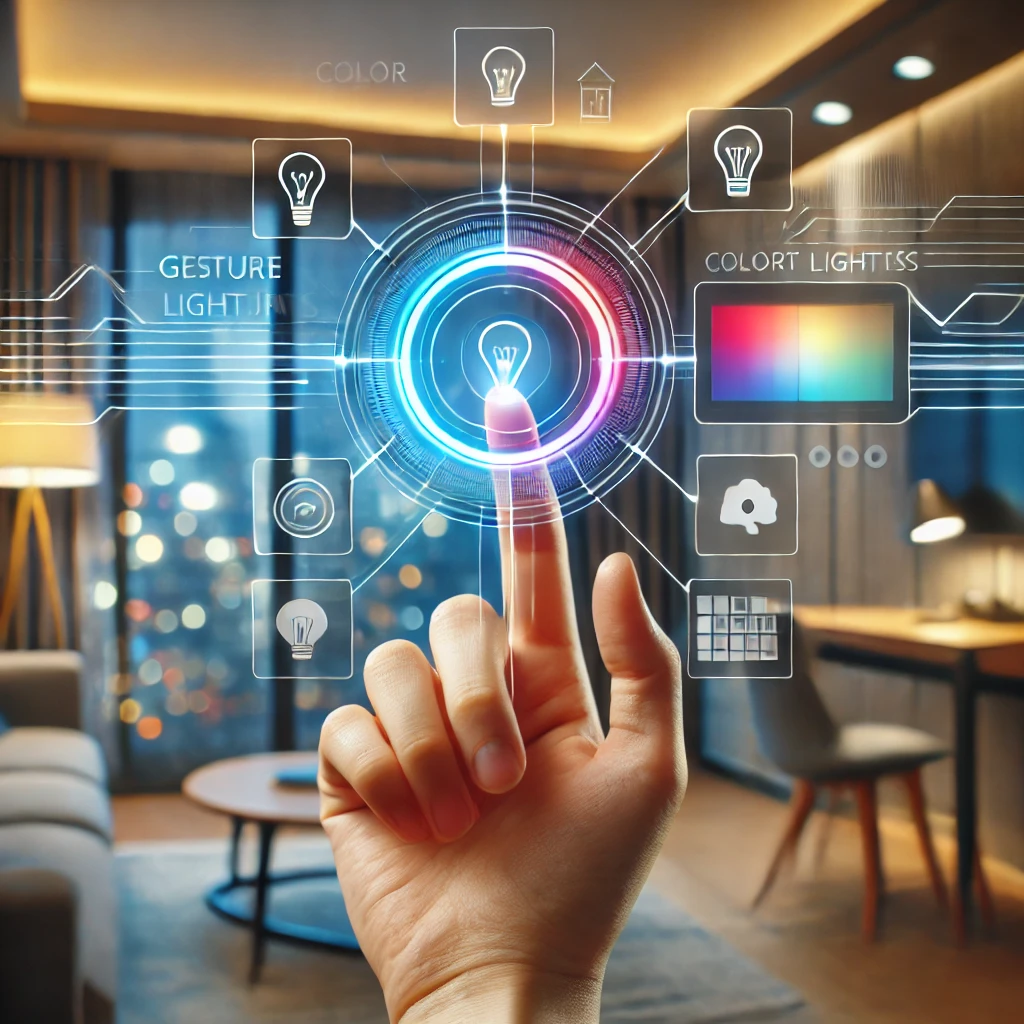
- Natural Spectrum, Not Just Efficiency: Adaptive lighting systems replicate the dynamic range of natural light, adjusting from warm tones in the evening to cooler, brighter hues during daytime hours. LEDs, by contrast, often emit a static, artificial glow that can cause eye strain and fatigue. Merkur notes that this shift is particularly pronounced in residential settings, where users prioritize comfort over pure wattage savings.
- Smart Integration Over Standalone Bulbs: Unlike LEDs, which function as isolated components, adaptive systems are designed to work within broader smart-home ecosystems. They sync with motion sensors, voice assistants, and even weather data to optimize lighting automatically. This integration is a major selling point for tech-savvy German consumers, who increasingly view lighting as part of a connected home experience.
- Regulatory and Market Momentum: While no major EU-wide mandate has yet forced the transition, regional incentives—such as tax breaks for energy-efficient smart home upgrades in Bavaria and Baden-Württemberg—are accelerating adoption. Industry analysts predict that by 2027, adaptive lighting could account for 30% of new residential installations in Germany, up from less than 5% in 2024.
The Persistence of LEDs in Niche Markets and the Rise of OLEDs
The LED Legacy: What’s Left Behind?
Classical LEDs aren’t disappearing entirely. They remain dominant in commercial and industrial settings, where cost and longevity are prioritized over user experience. However, even in these sectors, hybrid systems—combining LEDs with adaptive controls—are gaining traction. The European Lighting Association (ELA) reported in March 2026 that global LED shipments had flattened for the first time in a decade, with adaptive and OLED technologies capturing market share.
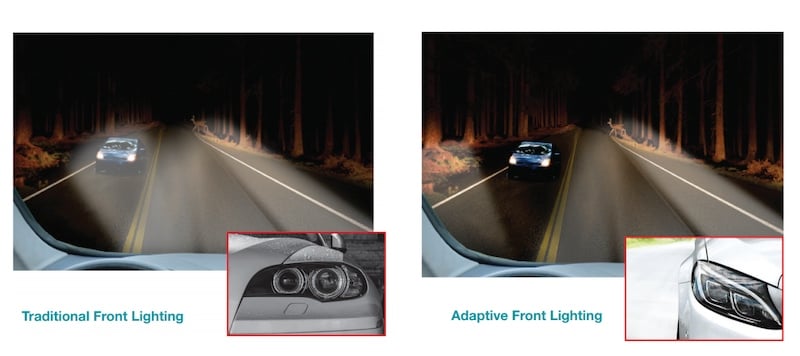
OLEDs, another emerging technology, are also vying for dominance. Unlike LEDs, which rely on semiconductor diodes, OLEDs produce light through organic compounds, enabling thinner, more flexible panels with superior color rendering. While OLEDs are still pricier, their adoption is rising in high-end residential and automotive lighting, where design flexibility is critical. Ludwigshafen24 highlights that OLEDs may eventually challenge adaptive systems in premium segments, though the latter’s smart capabilities give them an edge in mainstream markets.
Manufacturers Pivot Toward Health-Centric and Smart Lighting Solutions
What’s Next for the Lighting Industry?
The transition isn’t just about replacing bulbs—it’s about redefining how lighting interacts with daily life. Manufacturers are racing to embed health-focused features, such as blue-light filtering for better sleep and dynamic adjustments for productivity. Philips, Signify, and Osram have all launched adaptive lighting lines in 2026, positioning themselves at the forefront of this shift.
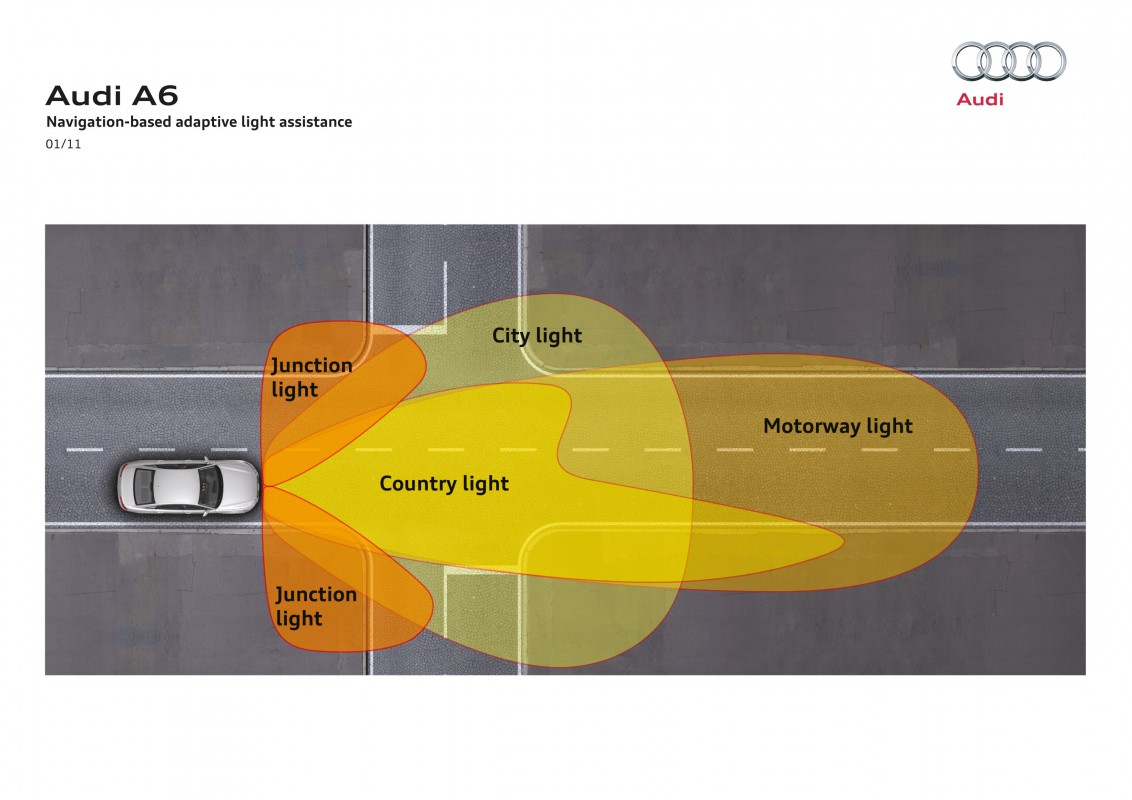
For consumers, the message is clear: the next generation of lighting isn’t about wattage, but about harmony with human needs. Whether through adaptive systems or emerging OLED tech, the goal is the same—lighting that works for people, not just the grid.
One certainty remains: the days of treating light as a static utility are over. The question now is how quickly the rest of the world follows Germany’s lead.