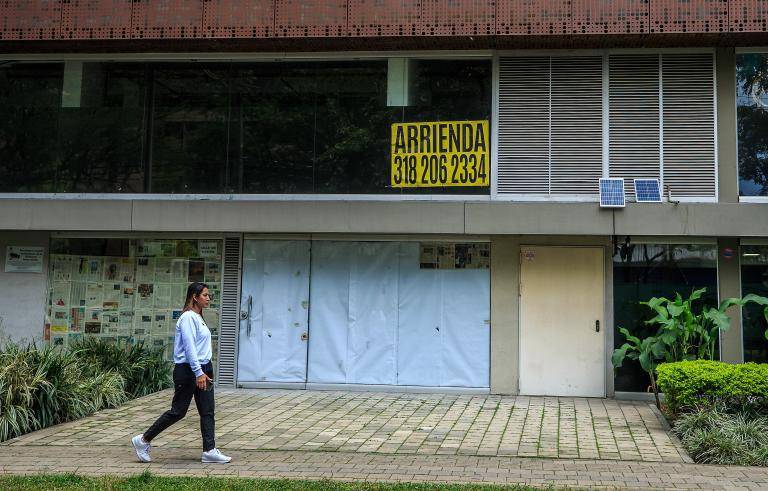
Colombia’s housing market is undergoing a seismic shift as 71% of property searches on Fincaraiz platform now focus on rentals, reflecting a 70% preference for leasing over buying, according to El Colombiano. This trend, driven by economic uncertainty, subsidy cuts, and rising costs, has left 134,000 families abandoning home purchases since 2022, while new housing construction has plummeted 45%.
The dominance of the rental market has become a defining feature of Colombia’s housing landscape, with El Colombiano reporting that 71% of property searches on Fincaraiz are for rentals, compared to 29% for purchases. This shift mirrors broader economic pressures, as "the market is cauteloso frente a decisiones de largo plazo like the purchase of housing," explained Lesly Posada, Fincaraiz’s commercial manager. The data underscores a 130% surge in families abandoning homebuying between 2022 and February 2026, with new housing sales declining 14.7% and construction starts shrinking 45%.
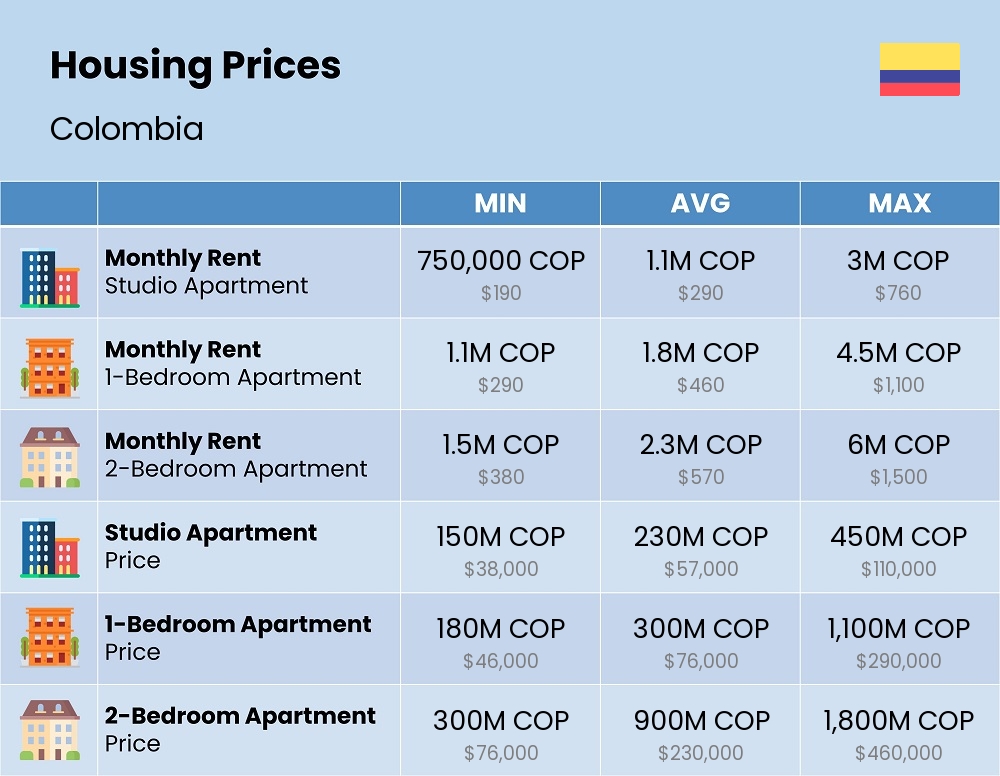
A critical factor behind the crisis is the 50% reduction in housing subsidies, which fell from 86,000 in 2021 to 43,000 in 2025, according to BBVA. These subsidies, vital for low-income families through programs like "Mi Casa Ya," have left a gaping hole in affordability. "El déficit habitacional total del país se ubica en el 25,6% de los hogares," noted Portafolio.co, with rural areas hit hardest at 58.6% deficit. The decline in subsidies has compounded with rising construction costs, which outpace home price growth, squeezing developers and buyers alike.
High interest rates and inflation have further strained the market. BBVA highlighted that mortgage rates for "Vivienda de Interés Social" (VIS) remain at 13.3% in March 2026, with financial margins narrowing as construction costs rise. Meanwhile, demographic changes are reshaping demand: the average household size has dropped from 4.4 in 1993 to 2.8 in 2025, driving demand for smaller, more compact homes. "The size promedio de los hogares colombianos se redujo," BBVA reported, reflecting a shift toward urban, single-person households.
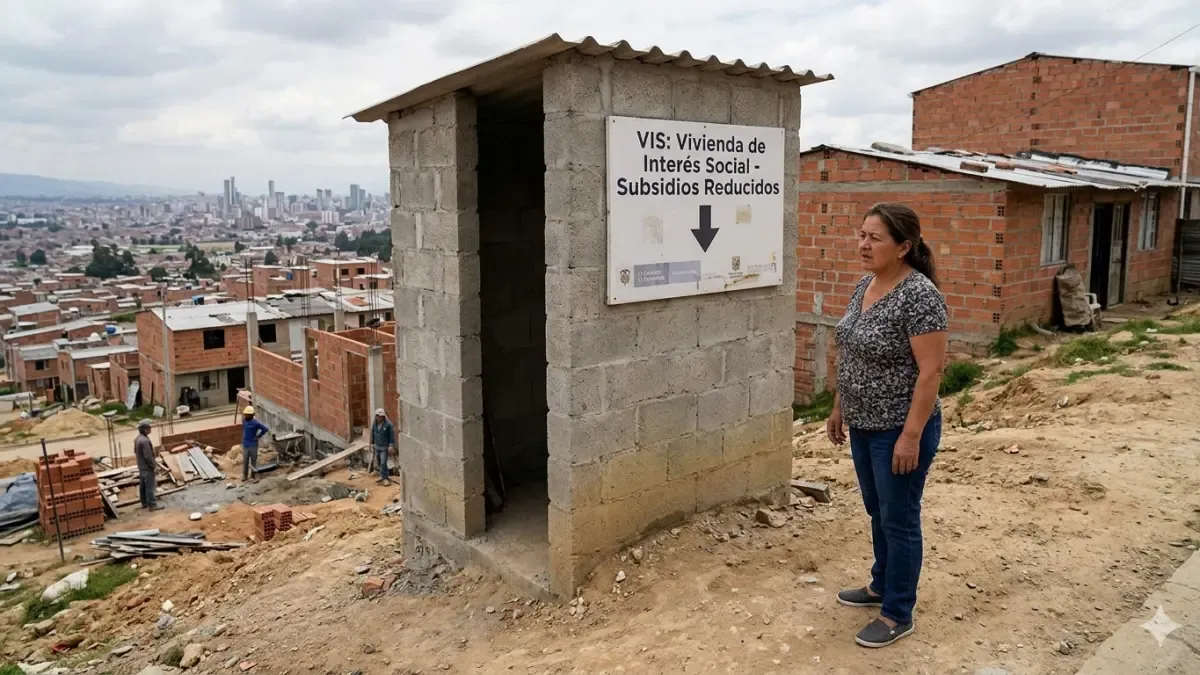
Despite the slump, foreign investors remain a significant force. BBVA noted that Colombians abroad account for 10% of new housing sales, climbing to 15% in non-VIS segments. This contrasts with the stagnation in VIS projects, where 30% of inventory remains unsold in Cali, driven by buyers canceling purchases due to unaffordable terms. "Aún no compensan el número total," warned Portafolio.co, emphasizing that subsidy cuts and high interest rates have left many low-income families unable to secure housing.
The outlook remains uncertain as policymakers grapple with the crisis. El Colombiano cited officials warning that the "incertidumbre política y las dudas sobre el futuro de los subsidios" are pushing families toward rentals, while Portafolio.co stressed that "la demanda en vivienda social depende críticamente de subsidios como Mi Casa Ya." With construction activity at multi-decade lows and subsidies at historic lows, the path to recovery hinges on renewed financial support and structural reforms.
"El mercado está cauteloso frente a decisiones de largo plazo como la compra de vivienda. Muchas personas continúan buscando opciones, pero aplazan la decisión final mientras esperan mejores condiciones económicas y financieras," said Lesly Posada, via El Colombiano.
- 71% of property searches in Colombia are for rentals, up from 29% for purchases.
- Housing subsidies dropped 50% from 86,000 in 2021 to 43,000 in 2025.
- New housing construction fell 45% in 2026, with 30% of VIS inventory unsold in Cali.
- Rural housing deficit exceeds 58.6%, compared to 16.5% in urban areas.
- Foreign buyers account for 10% of new housing sales, rising to 15% in non-VIS segments.
For low-income families, the crisis is existential. Portafolio.co revealed that 25.6% of households face housing shortages, with 6.3% lacking any shelter. "Aún no compensan el número total," said BBVA Research, highlighting the gap between housing prices and affordability. As subsidies dwindle and interest rates stay high, the dream of homeownership grows increasingly out of reach for millions.

Colombia’s housing market is at a crossroads. While rentals offer short-term flexibility, the long-term implications of reduced homeownership could reshape urban planning, financial systems, and social mobility. "The size promedio de los hogares colombianos se redujo," BBVA noted, signaling a shift toward smaller, more adaptable living arrangements. Yet, without policy intervention, the housing crisis risks deepening, leaving millions trapped in a cycle of uncertainty.
"Depende críticamente de subsidios como Mi Casa Ya," warned Portafolio.co, as the nation watches whether its leaders can bridge the gap between aspiration and affordability.
The Colombian housing market’s transformation reflects broader economic and social shifts. With rentals surging, subsidies dwindling, and affordability slipping, the path to recovery demands bold policy changes. As families navigate this new reality, the question remains: Can Colombia rebuild its housing sector before the crisis becomes irreversible?
El Colombiano reported on the 70% rental preference and Fincaraiz data. BBVA analyzed subsidy cuts and market demographics. Portafolio.co highlighted the housing deficit and subsidy impact.