
Indian fuel distributors raised prices for the third time this month amid escalating tensions in the Iran conflict, with state-owned companies absorbing losses while migrant workers face mounting hardship. The latest increases, announced on May 15, saw petrol surge to 99.51 rupees per litre and diesel to 92.49 rupees, marking a 5-rupee cumulative rise since March. The Reserve Bank of India (RBI) warned of energy-sector shocks, while Prime Minister Narendra Modi labeled the crisis a “decade of catastrophes” for global economies.
Price Hikes and Industry Strain
The third price adjustment this month followed a pattern seen in April 2022, when state-run refiners like Bharat Petroleum Corp Ltd (BPCL) delayed increases to avoid electoral backlash. Despite the latest hikes, BPCL reported a 25-30 rupee loss per litre on diesel and 10-14 rupees on petrol, according to a recent statement. The government has refused to provide financial support, leaving refiners to absorb the burden. “We’re losing money on every litre sold,” a BPCL executive said, citing the 76-day period of price freezes before the May 15 announcement.
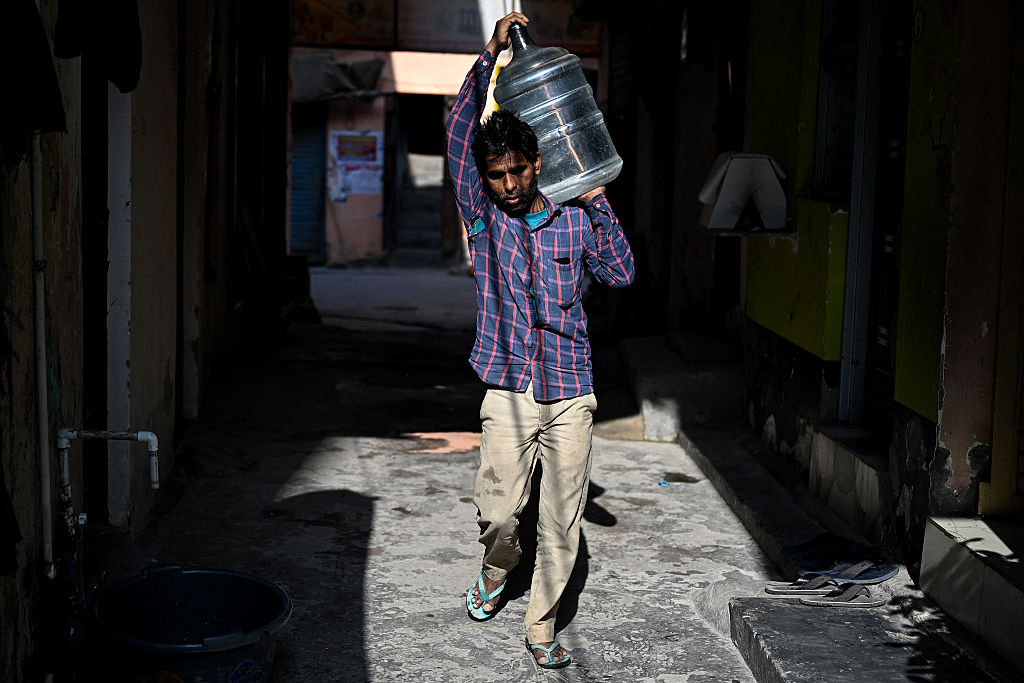
Migrant Workers Bear the Brunt
The crisis has disproportionately affected migrant laborers, who are abandoning cities like Delhi in search of cheaper living conditions. With liquefied petroleum gas (LPG) shortages and soaring food prices, many are returning to rural areas to use traditional wood stoves, despite urban housing restrictions. “The government claims LPG is available, but we can’t get the consumer cards to book cylinders,” said a Delhi-based construction worker, per Les Crises. This exodus mirrors the 2020 pandemic lockdowns, when millions walked hundreds of kilometers home.
RBI Warns of Supply-Side Pressures
The RBI’s May 2026 economic report highlighted “supply-side challenges” exacerbated by the Iran conflict, which has disrupted 20% of global oil trade through the Strait of Hormuz. While inflation remains contained, the central bank urged vigilance against “transmission to domestic prices.” The report noted that India’s 90% oil import dependency makes it particularly vulnerable, with global crude prices spiking 40% since January. “We’re monitoring the situation closely,” a RBI official said, citing the need to protect foreign exchange reserves amid volatile capital flows.
Modi’s Global Appeal for Austerity
In a May 16 speech to the Indian diaspora in The Hague, Modi framed the crisis as part of a “decade of catastrophes,” citing the pandemic, regional conflicts, and energy shocks. He called for “measured resource use” to safeguard economic gains, echoing policies like Hyderabad’s May 2026 call for reduced travel and gold purchases. The prime minister’s remarks coincided with Asia-wide emergency measures: the Philippines declared a national energy emergency, South Korea urged electricity conservation, and Japan released strategic oil reserves. “This is a global test of resilience,” Modi said, per La Nouvelle Tribune.

What’s Next for India?
The coming weeks will test India’s ability to balance consumer affordability with refiner solvency. With the BJP facing regional elections, political analysts predict pressure to delay further hikes, despite industry warnings. The RBI’s next report, due in June, may offer clarity on inflation trends. Meanwhile, migrant worker advocates are pushing for LPG access reforms, while energy experts warn of prolonged volatility. “The Strait of Hormuz closure is a black swan event,” said an AIE analyst in a May 2026 interview. “India’s energy security hinges on diplomatic efforts to reopen shipping lanes.”