Ross Scott stood before the European Parliament on April 16, 2026, and laid bare a contradiction at the heart of digital commerce: consumers pay full price for video games that publishers can erase at will, leaving behind nothing but unusable data on hard drives. The hearing, convened by the Committees on Internal Market and Consumer Protection, Legal Affairs, and Petitions, marked the first major legislative forum for the Stop Killing Games movement, which began two years earlier after Ubisoft shut down The Crew, a single-player racing game requiring constant online access.
Committee vice chair Nils Ušakovs captured the gravity of the issue in his summary of the 45-minute session: “Today we’ve had the opportunity to understand directly from the organisers, experts and stakeholders about various challenges that arise when video games become unplayable after sale due to discontinued services or disabled access. This initiative highlights a real concern for millions and, as far as we understand from the presentations, probably hundreds of millions of European citizens, ensuring that digital purchases remain functional and that consumer rights are respected in the evolving digital landscape.” His remarks were echoed by European Commission director Giuseppe Abbamonte, a copyright lawyer, who pledged to examine gaps in current regulations and report findings by July.
Scott, the movement’s founder, framed the problem with deliberate clarity. “I’d like to clarify what it means to destroy a game,” he began. “When we say a game has been destroyed, what we mean is a publisher has permanently disabled all copies of it that have been sold so no one can ever play them again.” He contrasted this with physical goods: “If you bought a book in a store, the publisher cannot come into your home and take back your book at will.” The core issue, he argued, lies in licence agreements that grant publishers unilateral power to terminate services, leaving consumers with no recourse despite having paid for permanent access.
The hearing used Sony’s Concord as a stark case study. According to Scott, at least 370 million euros (approximately $400 million) were invested in Concord’s development, yet no plan existed for its end-of-life cycle. He argued that the technical effort to preserve playability—such as disabling microservices and anti-cheat measures—is minimal if integrated from the outset, suggesting publishers avoid it not due to cost but to accelerate customer turnover. “Anyone who sinks 370 million euros into a game but can’t spare 50 cents for an offline mode is planning the destruction of their own cultural heritage from day one,” Scott told lawmakers.
This pattern extends beyond isolated failures. An amateur study cited by Scott examined over 1,100 networked games and found that in 93.5% of cases, ending support rendered the purchase completely unusable. He noted that even as such practices affect all tiers of gaming, the scale is magnified by major publishers like Sony and Ubisoft, whose market power means tens of millions of EU consumers face sudden loss of access to titles they own. The Crew’s shutdown in 2024, which triggered the movement, exposed a regulatory vacuum: thousands of complaints in France and Germany yielded no consequences, as national authorities lacked tools to enforce existing unfair terms directives.
Stop Killing Games is not limiting its efforts to Europe. The group announced involvement in drafting California’s Protect Our Games Act with Assemblymember Chris Ward, which would require publishers to inform customers of impending game closures and either provide a comparable replacement game at no cost or release an end-of-life plan enabling continued play in some form. The initiative has also advised the UK’s Department for Culture, Media and Sport on similar consumer rights concerns, reflecting a transatlantic push to treat digital purchases as durable goods rather than revocable licenses.
The European Parliament’s response was notably receptive. Ušakovs and other committee chairs pledged to continue investigating the issue, while Abbamonte’s upcoming copyright review could lay groundwork for future regulation. For now, the movement’s immediate victory lies in securing a formal hearing after gathering over 1 million validated signatures for its European Citizens’ Initiative, Stop Destroying Videogames—a threshold that compels institutional attention.
What specific changes is Stop Killing Games advocating for in European law?
Stop Killing Games is calling for a legal ban on the deliberate destruction of video games by publishers after official support ends, ensuring games remain playable through measures like offline modes or end-of-life plans that preserve consumer access to purchased content.
How does the movement respond to publishers’ claims that preserving games is too costly?
>Ross Scott argued that the technical effort to disable microservices and anti-cheat measures for offline play is minimal if factored in from development, citing Sony’s Concord—where 370 million euros were spent but no 50-cent offline mode was implemented—as evidence that cost is not the real barrier.
Why did the shutdown of Ubisoft’s The Crew in 2024 become a catalyst for this movement?
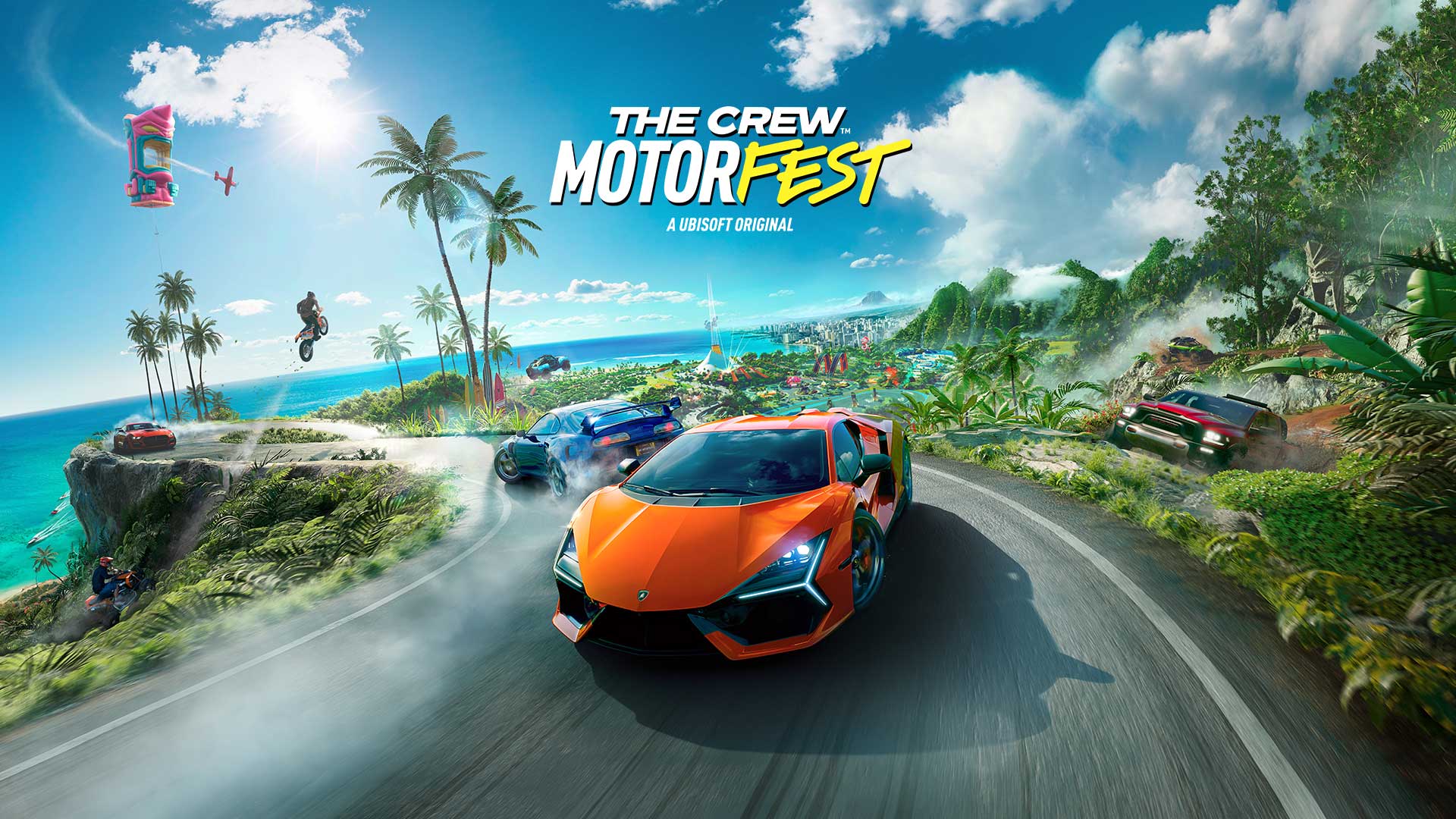
The Crew, a 2014 racing game sold as a single-player experience but requiring constant online access, was shut down by Ubisoft on March 31, 2024, rendering all purchased copies permanently unplayable and highlighting how consumers lose access to games they own despite no fault of their own.
What role is the European Commission expected to play following the hearing?
European Commission director Giuseppe Abbamonte, a copyright lawyer, committed to reviewing existing copyright regulations for gaps in covering game preservation and reporting his findings by July, which could inform future legislative action.