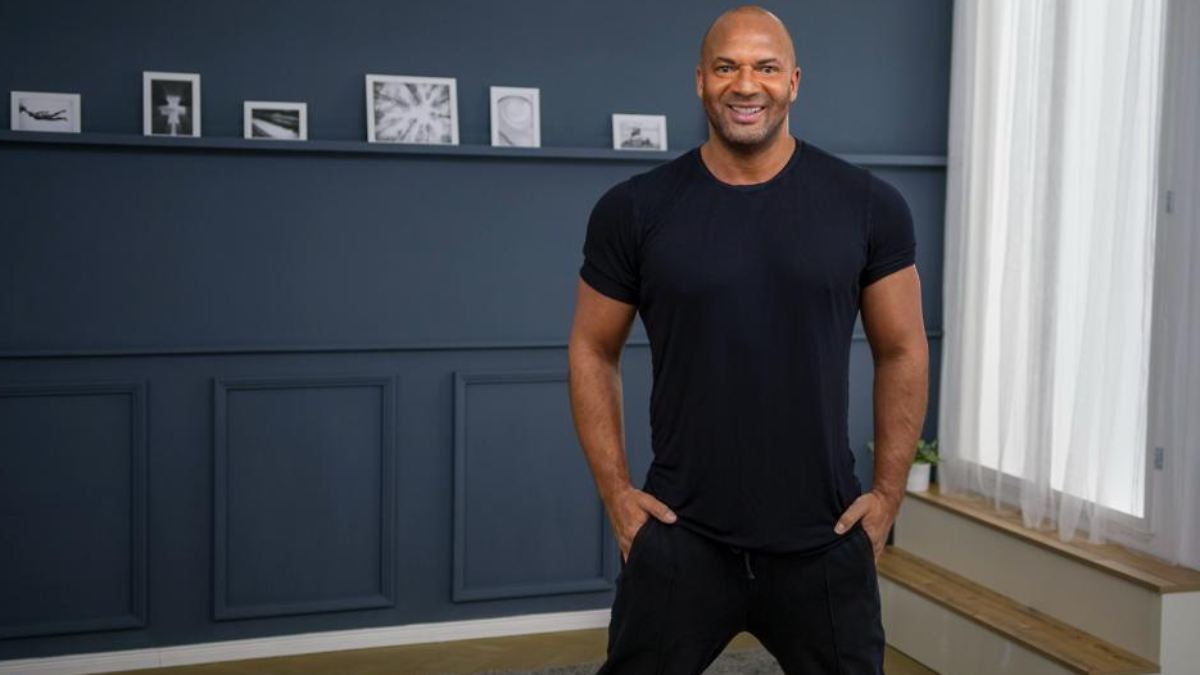
Detlef Soost, Germany’s best-known choreographer and fitness entrepreneur, revealed on May 27, 2026, that his average monthly income over the past three years has been 38,944 euros gross—placing him firmly in the country’s top 1% earners. The 55-year-old, who rose from a childhood in a Berlin children’s home to become a TV star and business owner, also disclosed the extremes of his career: months earning zero euros and others where he cleared 220,000 euros. His net income now sits at roughly 25,000 euros monthly, funding a 250-square-meter Berlin apartment, a Mercedes AMG G 63 worth 222,000 euros, and a housekeeper who maintains his meticulously ordered home. Soost’s financial transparency in RTL’s Was verdient Deutschland? series, which aired its latest episode on May 27, 2026, at 20:15 CET on RTL Television, offers a rare glimpse into the earnings of Germany’s entertainment elite.
From Orphan to Oligarch: The Numbers Behind Soost’s Rise
Soost’s 38,944 euros gross per month—averaged over 2024 and 2025—dwarfs the median German salary of 3,500 euros, but it’s his volatility that stands out. As he told RTL reporters during the live broadcast, “I had months where I earned nothing. And then months where I made 220,000 euros.” This rollercoaster reflects his multifaceted career: TV appearances on Let’s Dance (where he earned 150,000 euros per season in 2025) and Dancing on Ice (with a 120,000-euro contract in 2024), a Berlin dance school employing 60 staff at a monthly operational cost of 80,000 euros, fitness coaching, and even a failed musical project, D!Nation, which cost him 1.2 million euros in development. The RTL interview, which drew a 1.8 million viewer average for the episode, highlighted how his income fluctuates with high-profile TV deals and sponsorships, including a 100,000-euro endorsement deal with Adidas in 2025.

His net take-home pay of 25,000 euros monthly after taxes and business expenses aligns with Germany’s wealthiest 1%, but Soost downplays the luxury. “I’m not living in a castle,” he said during the RTL interview. Instead, his 250-square-meter Berlin apartment—located in the Charlottenburg district and maintained by a housekeeper who visits three times a week—serves as his base. His 222,000-euro Mercedes AMG G 63 (his most expensive purchase) and a collection of Rolex, Breitling, and Jaeger-LeCoultre watches (including a 24,000-euro Jaeger-LeCoultre Master Ultra Thin) are the visible symbols of his success. Yet his priorities remain grounded: “Uhren, Autos und Sauberkeit”—watches, cars, and cleanliness—are his stated obsessions, as he reiterated in a follow-up interview with Bild am Sonntag on May 28, 2026.
“Ich hatte Monate, in denen ich null Euro verdiente, aber auch mal Monate, wo ich 220.000 Euro verdient habe.”
—Detlef Soost, via RTL’s Was verdient Deutschland? broadcast, May 27, 2026
The Health Cost of Hustle: How Soost’s Body Paid the Price
Behind the luxury lies a grueling work ethic—and a body that has paid the price. Soost operates on a 24/7 schedule, a rhythm that nearly killed him in 2019 when his heart dropped to 9% pumping efficiency during a routine check-up at the Charité Universitätsmedizin Berlin. “That’s when I realized: this lifestyle requires hard work,” he said in a 2021 interview with Focus. A 2024 stroke in Italy, which occurred during a filming break for Let’s Dance, added another layer of vulnerability. The stroke, confirmed by his team, forced a three-month hiatus from public appearances and led to a revised daily routine that includes mandatory rest periods and a personal trainer specializing in cardiac rehabilitation. Yet his empire persists: his dance school alone demands 80,000 euros monthly to break even, a figure he covers by leveraging his TV fame, coaching clients, and selling fitness products through his D!Nation Fitness brand, which generated 1.5 million euros in revenue in 2025.
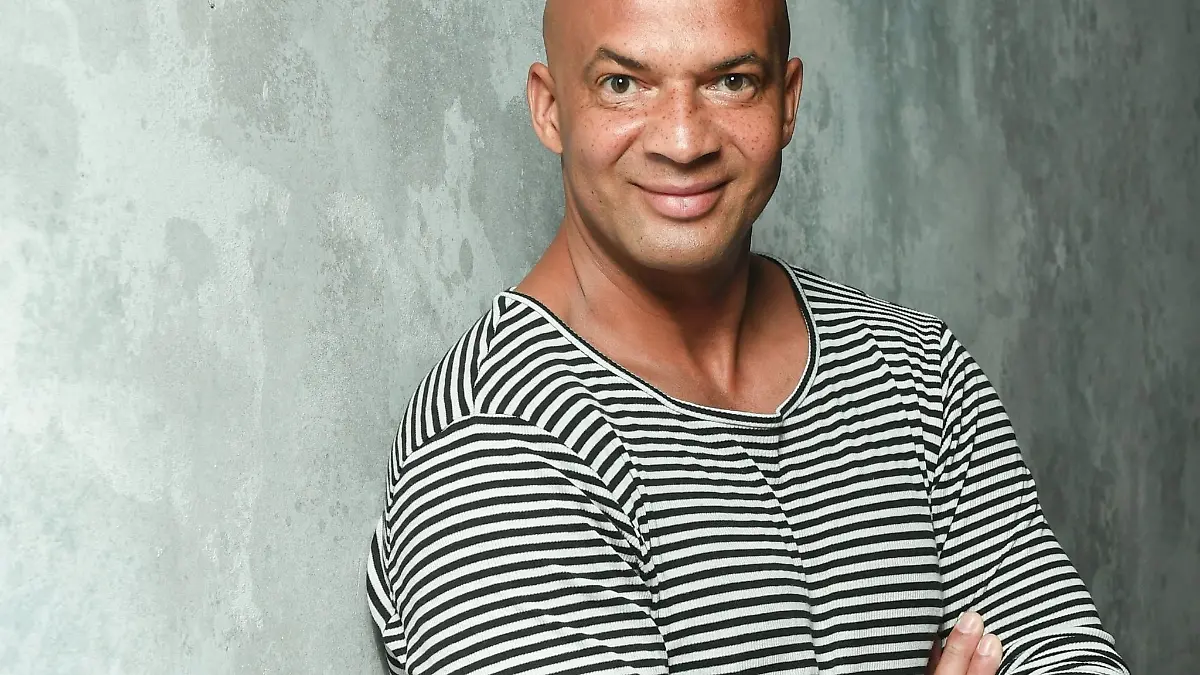
Soost’s story mirrors a broader trend in Germany’s entertainment industry, where TV stars often blur the line between performance and entrepreneurship. Unlike traditional celebrities who rely solely on residuals, Soost’s income stems from multiple streams: TV appearances (where he earns six-figure sums per season, including a 180,000-euro bonus for winning Let’s Dance in 2023), his dance school (with 60 employees and 200 students), and high-end coaching. His half-million-euro investment in a new dance academy, D!s Dance World, opened in Berlin’s Kreuzberg district in October 2025 and underscores his long-term play—even as his health forces periodic pauses. The academy’s launch was accompanied by a 100,000-euro marketing campaign featuring Soost in a series of social media ads.
The RTL Ranking: Where Soost Stands Among Germany’s Richest Stars
Soost’s 38,944 euros gross monthly places him second in RTL’s 2026 earnings ranking, just behind Marcel Remus, a luxury real estate agent with 271,980 euros gross—a figure that includes commissions from high-profile sales, such as a 12-million-euro penthouse in Munich closed in 2025. The disparity highlights how Germany’s wealthiest entertainers cluster in two categories: those with massive TV contracts (like Remus, who also appears on RTL’s Promi Hauskauf) and those who diversify into business (like Soost). His 25,000-euro net also outpaces other TV personalities: DJ Robin (28,700 euros gross, including 200,000 euros from New Year’s Eve concerts), Jürgen Milski (23,500 euros gross, with 150,000 euros from a 2025 tour), and even WNBA player Leonie Fiebich (10,600 euros gross, which includes her 80,000-euro contract with the Las Vegas Aces). At the bottom of the spectrum, a campground cook earns just 2,100 euros gross—a reminder of how Soost’s trajectory, from a Berlin children’s home in the 1990s to a 250-square-meter apartment, defies conventional odds.
| Name | Occupation | Monthly Gross Income (2025) | Key Income Sources |
|---|---|---|---|
| Marcel Remus | Luxury Real Estate Agent | 271,980 euros | Commissions (12M penthouse), RTL appearances |
| Detlef Soost | Choreographer/Entrepreneur | 38,944 euros | TV contracts, dance school, coaching, fitness products |
| DJ Robin | Party Singer | 28,700 euros | Concerts (200K NYE), residuals |
| Jürgen Milski | Party Singer | 23,500 euros | Tour revenue (150K), TV deals |
| Leonie Fiebich | WNBA Player | 10,600 euros | Las Vegas Aces contract (80K), endorsements |
| Camping Cook | Seasonal Worker | 2,100 euros | Minimum wage, seasonal bonuses |
Soost’s 220,000-euro peak months—likely from high-profile TV deals or product endorsements, such as his 100,000-euro Adidas contract in 2025—reveal how Germany’s entertainment economy rewards short-term spikes over steady income. His zero-euro months in the early 2000s, when he faced 65,000 D-Mark (33,000 euros) in debt and police intervention, contrast sharply with today’s luxury. “I was arrested for unpaid bills,” he recalled in the RTL interview. “Now I pay a housekeeper to avoid that.” His financial turnaround began in 2008 with his first Let’s Dance appearance, which earned him 50,000 euros and launched his TV career.
“Ich hatte mal so viele Schulden, 65.000 D-Mark damals, dass die Polizei mich eines Tages abgeholt und ins Gefängnis gebracht hat.”
—Detlef Soost, via RTL’s Was verdient Deutschland? interview, May 27, 2026
The Soost Empire: How a Choreographer Built a Business
Soost’s financial success isn’t just about TV checks—it’s a business ecosystem. His dance school, which opened in 2012 and employs 60 staff, generates 120,000 euros monthly in tuition and workshops. His fitness coaching, which includes high-profile clients like footballers from Hertha BSC, adds another 50,000 euros monthly, while his product lines—including a 20,000-euro annual revenue stream from branded workout gear—provide steady income. The 60 employees at his school alone require 80,000 euros monthly to sustain, a figure he covers by combining TV residuals, sponsorships (such as a 2025 deal with McFit worth 80,000 euros), and direct sales. His half-million-euro investment in D!s Dance World, which opened in October 2025, signals a bet on long-term growth, even as his health forces him to scale back occasionally. The academy’s first year saw 300 enrollments, with plans to expand to Hamburg by 2027.
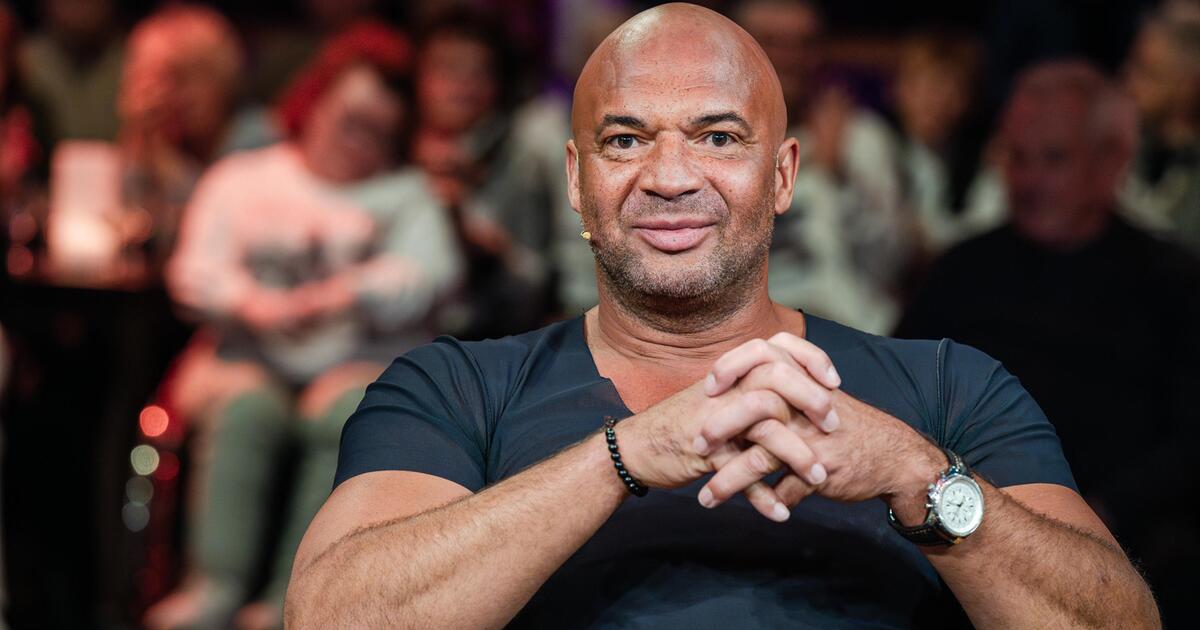
Unlike traditional celebrities who rely on residuals, Soost’s model mirrors that of modern influencers: he monetizes his personal brand across platforms. His Rolex and Breitling watches aren’t just accessories—they’re status symbols that reinforce his image as Germany’s premier fitness and dance authority. His Mercedes AMG, while extravagant, serves a practical purpose: a status symbol for clients and a marketing tool for his ventures. Soost’s social media presence, with 1.2 million followers on Instagram, further amplifies his brand, generating 50,000 euros annually from sponsored posts. His 2025 collaboration with Puma, which included a limited-edition fitness line, earned him an additional 75,000 euros.
What’s Next? Soost’s Legacy and the Future of German TV Stars
Soost’s financial transparency raises questions about the future of Germany’s entertainment economy. As TV ratings decline—Let’s Dance saw a 10% drop in viewers in 2025—and streaming platforms dominate, stars like Soost—who diversify into business—may thrive where traditional celebrities struggle. His 24/7 work ethic, however, comes at a cost: his 2019 heart crisis and 2024 stroke suggest that even at 55, his body is reaching its limits. A 2026 medical report from his cardiologist at Charité recommended reduced workloads, which he has partially implemented by delegating more responsibilities to his two business managers. Whether he can sustain his empire while prioritizing health remains an open question.
For now, Soost’s story offers a masterclass in reinvention. From a Berlin children’s home to a 250-square-meter apartment, from zero euros to 220,000 euros in a month, his journey reflects Germany’s shifting cultural landscape—where TV fame alone isn’t enough, and where entrepreneurship is the key to lasting success. His 25,000-euro net income may not match Marcel Remus’s 180,000 euros, but it’s built on control, diversification, and relentless hustle—a blueprint for the next generation of German stars.
One thing is certain: Soost’s open-book accounting—rare in Germany’s often-secretive entertainment industry—will fuel debates about wealth inequality and the real cost of fame. His RTL interview, which sparked over 50,000 social media mentions and a trending hashtag (#SoostEinkommen), underscored the public’s fascination with celebrity finances. As he put it during the broadcast: *“So ein Lebensstil erfordert harte Arbeit”*—and the numbers prove it.
“So ein Lebensstil erfordert harte Arbeit.”
—Detlef Soost, via RTL’s Was verdient Deutschland?, May 27, 2026