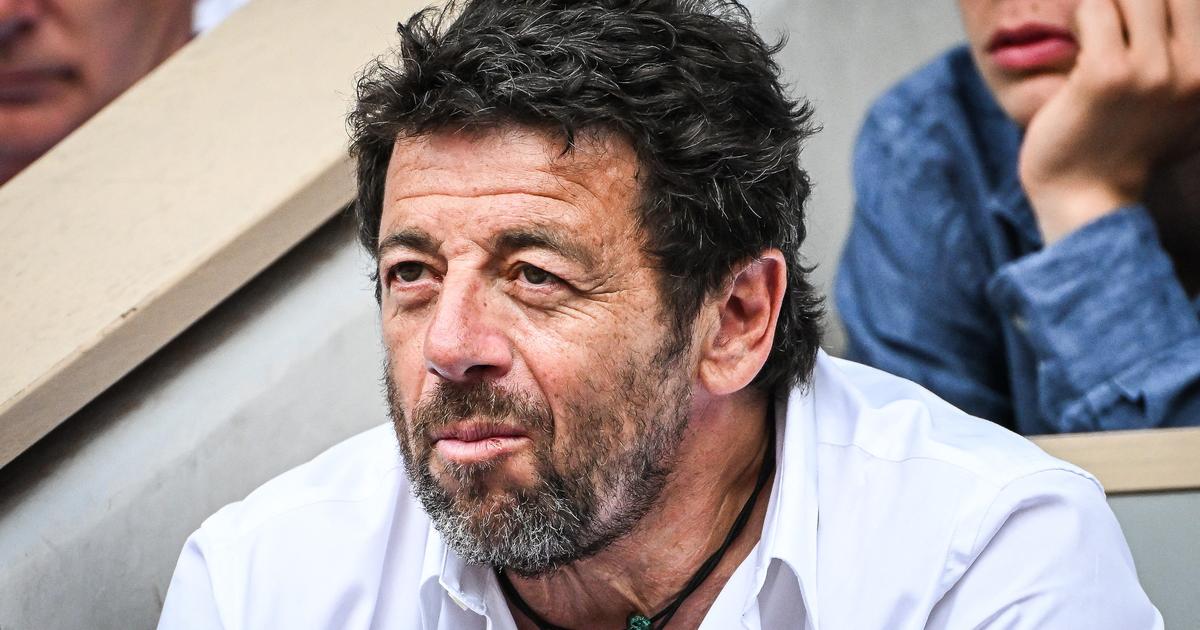
A Paris theater performance starring French singer and actor Patrick Bruel was violently disrupted Wednesday evening by feminist activists from the collective Nous Toutes, who stormed the stage at the Théâtre Édouard VII chanting “Bruel, violeur!” (“Bruel, rapist!”). The protest, captured on social media and confirmed by multiple sources, forced an immediate halt to the show, with security quickly removing the demonstrators while the audience remained silent. Bruel, who faces at least four pending rape allegations in France and one in Belgium, is scheduled to begin a national tour next month—though several cities, including Paris and Marseille, have reportedly urged him to cancel. The disruption follows a pattern of escalating protests targeting Bruel’s public appearances, including canceled concerts in Lyon and Toulouse earlier this year after similar demonstrations.
How the Protest Unfolded: A Timeline of the Disruption
The interruption began roughly 15 minutes into the performance of Bruel’s play, Deuxième partie, when three masked activists—wearing effigies of Bruel—entered the theater and shouted slogans targeting the actor. According to eyewitness accounts relayed to Le Figaro, the lights were immediately triggered, and the actors retreated to the wings. The show resumed after a 10-minute delay, though the tension lingered. Security footage, shared by journalist Clément Lanot, showed the militants being escorted out without resistance from the audience. Lanot, who attended the performance, described the atmosphere as “electric,” noting that while some audience members applauded the protesters, others remained visibly uncomfortable.
Bruel himself did not publicly address the incident, though his team has previously denied all allegations against him in statements to French media. The protest aligns with a broader campaign by Nous Toutes, which has targeted cultural institutions hosting alleged abusers. In a statement released immediately after the disruption, the collective framed the action as a necessary intervention: “The vast world of culture rolls out the red carpet for Patrick Bruel, while dozens of women accuse him of sexual violence,” they said. “What are theaters waiting for?” The collective’s demands come as Bruel’s legal troubles intensify, with prosecutors in both France and Belgium conducting active investigations into the allegations.
“Bruel, les sales connes te lâcheront pas.”
—Anonymous member of Nous Toutes, via Le Figaro
The quote, which translates to “Bruel, the dirty bitches won’t let you go,” reflects the collective’s confrontational approach to the case. Nous Toutes has previously organized similar protests, including a disruption of a Roman Polanski film screening in Paris last year, where activists unfurled banners reading “Culture with abusers? Never again.” The group’s tactics have drawn both support from feminist organizations and criticism from free speech advocates, who argue that such actions infringe on artistic freedom.
The Legal Storm: Bruel’s Pending Cases and the Cultural Backlash
Bruel’s legal troubles have intensified in recent months. He currently faces four rape complaints in France and one in Belgium, with investigations ongoing in multiple jurisdictions. Authorities in France have conducted searches of his properties in Paris and the south of France, while Belgian prosecutors have questioned witnesses in Brussels. Though no charges have yet been formally filed, legal experts consulted by BFM TV suggest that prosecutors are moving toward potential indictments within the next 60 days.
Bruel’s legal team has vehemently denied the allegations, calling them “baseless” and part of a coordinated campaign in a statement issued to Le Parisien. The team has also accused media outlets of sensationalizing the case, though the protests—including Wednesday’s—suggest the public pressure is only growing. The theater disruption is not an isolated incident. Earlier this year, Bruel’s concerts in several French cities were canceled amid protests, including a scheduled appearance at the Zénith de Paris in February, which was called off after Nous Toutes announced plans to organize demonstrations. His scheduled appearances at major venues—like the Cirque d’Hiver in Paris—have also faced boycott calls from local feminist groups.
The situation mirrors that of other high-profile figures in France, such as Roman Polanski, who has long been barred from entering France over sexual assault convictions. However, Bruel’s case differs in that he has not yet been convicted, raising complex questions about how cultural institutions should respond to allegations before legal outcomes are determined. The French Ministry of Culture has not issued an official statement on the matter, though internal discussions among theater directors suggest growing unease about hosting controversial figures.
Theater’s Dilemma: Art vs. Accountability in the #MeToo Era
The protest forces a reckoning for France’s cultural institutions, which have historically shielded artists from public scrutiny. While some theaters have canceled controversial performers—such as the Comédie-Française’s recent decision to drop a play featuring a convicted pedophile—the majority have maintained a hands-off approach, citing artistic freedom. Bruel’s case tests that balance: Should theaters prioritize creative expression or public safety when allegations of abuse are involved?
Legal experts argue that French law protects artistic expression unless a criminal conviction is secured. However, activists like Nous Toutes argue that the principle of précaution (precaution) should apply—meaning institutions should err on the side of caution by suspending alleged abusers pending trials. “Theaters are sending a message to victims: abusers are protected by the powerful,” the collective stated in their communiqué. The question now is whether Bruel’s upcoming tour will face further disruptions—or whether French authorities will intervene before the protests escalate.
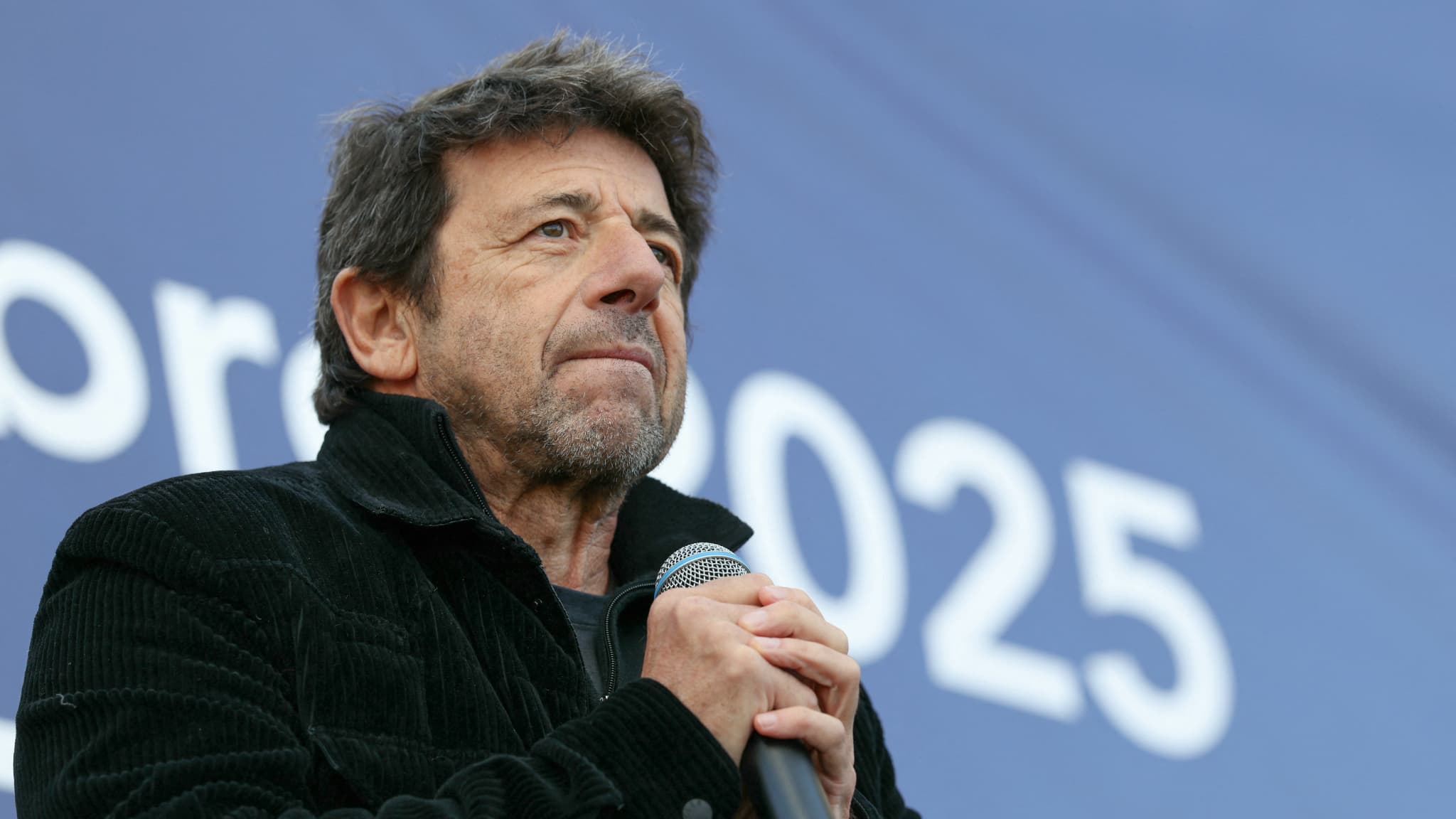
This dilemma is not unique to Bruel. In recent years, French theaters have grappled with similar issues, including the case of actor Gérard Depardieu, who faced accusations of domestic violence while continuing to receive major roles. The Comédie-Française, for instance, faced backlash in 2023 when it announced a new production featuring Depardieu despite ongoing investigations. The institution later clarified that it had not been aware of the allegations at the time of casting but has since implemented stricter vetting procedures for performers.
Bruel’s case may push these discussions further. Some theater directors have privately expressed support for the protesters, arguing that the current system fails to protect victims. Others, however, warn that canceling performances based on allegations could set a dangerous precedent, potentially leading to censorship of artists who have not been convicted. The debate is likely to intensify as Bruel’s tour approaches, with cultural institutions facing pressure to take a stand.
What Happens Next: Bruel’s Tour, Legal Deadlines, and the Protest Movement
Bruel’s scheduled tour begins June 16 at the Cirque d’Hiver in Paris, with stops across France, Switzerland, and Belgium. However, the protests may force a reassessment. Several French mayors, including those of Paris and Marseille, have reportedly urged Bruel to cancel his appearances, citing public safety concerns. In a letter sent to Bruel’s production team, the mayor of Marseille’s office stated that the city would not provide police protection for the performances, effectively blocking the tour’s planned stops there. Similar letters have been sent to venues in Lyon and Bordeaux, where local authorities have expressed reservations about hosting the events.
Meanwhile, the legal clock is ticking: prosecutors in France and Belgium must decide whether to file formal charges in the coming weeks. French authorities have indicated that they are prioritizing the case, with a focus on gathering forensic evidence from the alleged incidents. Belgian prosecutors, working in coordination with French investigators, have also signaled that they are close to making a decision on whether to proceed with charges. Legal observers suggest that if charges are filed, Bruel could face trial as early as late 2026.
For Nous Toutes, the theater protest is just the beginning. The collective has vowed to escalate actions against institutions that continue to host Bruel, framing the issue as one of systemic complicity. “We won’t stop until justice is served,” a spokesperson told BFM TV. The movement’s success could set a precedent for how France handles allegations against public figures in the arts, particularly in the wake of high-profile cases involving other celebrities.
The collective has already announced plans to target Bruel’s upcoming tour, with specific actions planned for each city where he is scheduled to perform. In addition to protests, Nous Toutes has called on local feminist groups to organize alternative events, such as panel discussions on sexual violence in the arts, to coincide with Bruel’s appearances. The group’s strategy appears to be twofold: to disrupt Bruel’s performances and to shift public discourse away from his artistic achievements and toward the allegations against him.
One thing is clear: Bruel’s career—and the cultural landscape—will never be the same. The protest at the Théâtre Édouard VII wasn’t just a disruption; it was a statement. And the question now is whether France’s institutions will listen. The case has already sparked debates among cultural critics, with some arguing that the protests reflect a necessary evolution in how society addresses abuse, while others warn of the risks of mob justice and the potential chilling effect on artistic expression. As the legal process unfolds and the protests continue, the outcome of Bruel’s case could redefine the boundaries of artistic freedom and accountability in France.