The Senegalese region of Diourbel recorded a hypertension prevalence of 30% during a May 17, 2026, health event marking World Hypertension Day, according to Dr. Malick Hann, chief of the Division of Non-Communicable Diseases at the Ministry of Health and Public Hygiene. The figure exceeds the national average of 28% and underscores the region’s disproportionate burden, driven by dietary habits and low physical activity.
Diourbel’s Hypertension Crisis: A Regional Outlier in Senegal’s Health Data
A Silent Epidemic with Deadly Consequences
Hypertension remains a leading contributor to premature mortality in Senegal, accounting for 53% of all deaths nationwide, Hann told reporters in Ndame, Diourbel. The disease’s asymptomatic nature—often called a “silent killer”—delays diagnosis until complications arise, including heart attacks, strokes, and kidney failure.
The 30% prevalence in Diourbel aligns with global trends: the World Health Organization (WHO) classifies hypertension as a top risk factor for death worldwide, with 1.28 billion adults affected as of 2023. Yet in Senegal, awareness and treatment rates lag behind. Hann cited poor adherence to medication and high-salt diets—common in local cuisine—as key barriers.
Root Causes: Dietary Habits, Sedentary Lifestyles, and Treatment Barriers in Diourbel
Why Diourbel? Diet, Inactivity, and Systemic Failures
The choice of Touba, a major religious and commercial hub in Diourbel, for the May 17 event was deliberate.
- Dietary Risks: Excessive consumption of salt, sugar, and fried foods—staples in Senegalese meals—elevates blood pressure. A 2023 WHO report on Senegal highlighted that sodium intake among adults often exceeds recommended limits by 50%.
- Physical Inactivity: Sedentary lifestyles, exacerbated by urbanization and long working hours, reduce cardiovascular fitness. Hann noted that only 15% of adults in Diourbel meet WHO’s recommended 150 minutes of weekly physical activity.
- Treatment Gaps: Even when diagnosed, less than 40% of hypertensive patients in Senegal adhere to prescribed treatments, per ministry data. Hann attributed this to cost barriers, lack of awareness, and cultural skepticism toward chronic disease management.
National Failures: Screening Shortages, Rural Healthcare Gaps, and Underfunded Policies
National Context: A Crisis of Prevention
While Diourbel’s 30% hypertension rate stands out, it reflects broader challenges. The 2023 WHO Senegal Hypertension Profile estimated that 1.7 million adults aged 30–79 had uncontrolled hypertension, yet fewer than one in three received adequate care.

- Limited Screening: Only 35% of Senegalese adults had their blood pressure checked in the past year, per a 2025 national survey.
- Healthcare Access: Rural areas like Diourbel face shortages of specialist clinics and pharmacists trained in hypertension management.
- Policy Shortfalls: Though Senegal’s 2022 National Non-Communicable Diseases Strategy targeted hypertension reduction, implementation has been uneven, with only 60% of planned funding allocated by 2025.
Proposed Solutions: Community Programs, Mobile Clinics, and Budget Constraints
What Comes Next? Local Solutions and Uncertain Outcomes
- Community-Led Interventions: Partnering with local leaders in Touba to reduce salt in communal meals and promote walking campaigns during religious gatherings.
- Mobile Clinics: Expanding weekly blood pressure screenings in markets and mosques, where Hann said 70% of cases are first detected.
- Medication Adherence Programs: Pilot schemes to subsidize antihypertensives for low-income patients, building on a 2025 ministry pilot that reduced dropout rates by 22%.
Yet challenges persist. The 2026 budget for non-communicable disease programs remains 12% below 2025 levels, raising doubts about scaling these efforts. Meanwhile, climate-related food shortages—linked to erratic rains in Diourbel—could worsen dietary risks by increasing reliance on high-sodium preserved foods.
The Bigger Picture: Hypertension as a Barometer of Health Systems
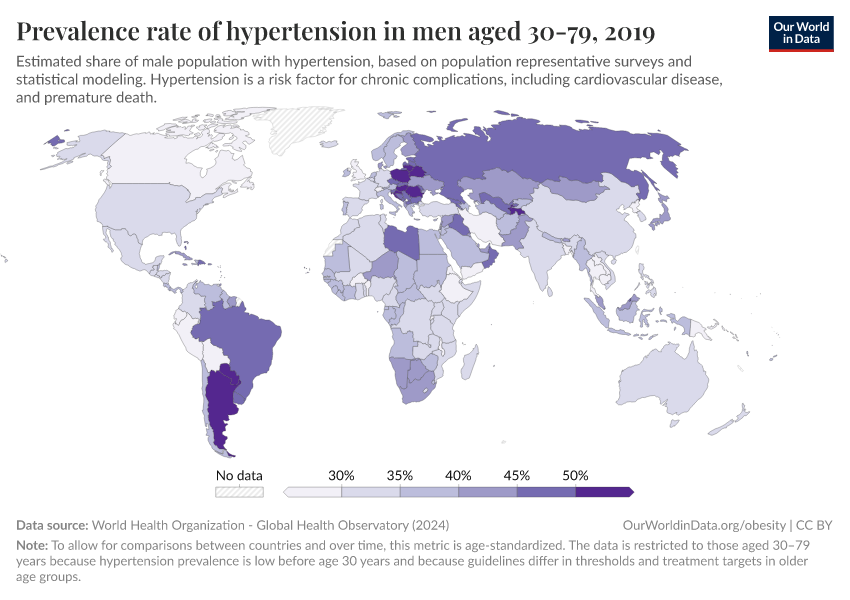
Senegal’s experience mirrors trends across sub-Saharan Africa, where hypertension prevalence is rising faster than in high-income regions. A 2025 study in The Lancet found that untreated hypertension in Africa contributes to 1.5 million annual deaths, often before age 60. The WHO’s 2026 Africa Region Hypertension Report (awaiting full release) is expected to highlight Senegal as a case study in how dietary transitions and urbanization outpace healthcare adaptation.
For Diourbel, the 30% figure is not just a statistic—it is a call to action. Without targeted interventions, the region’s hypertension burden could surpass 35% by 2030, Hann warned. The question now is whether Senegal’s health system can reverse the trend—or if Diourbel’s crisis will become the norm.
For readers with hypertension concerns: Consult a healthcare provider for personalized screening and treatment guidance. The Senegalese Ministry of Health offers free blood pressure checks at select centers; contact details are available via sante.gov.sn.