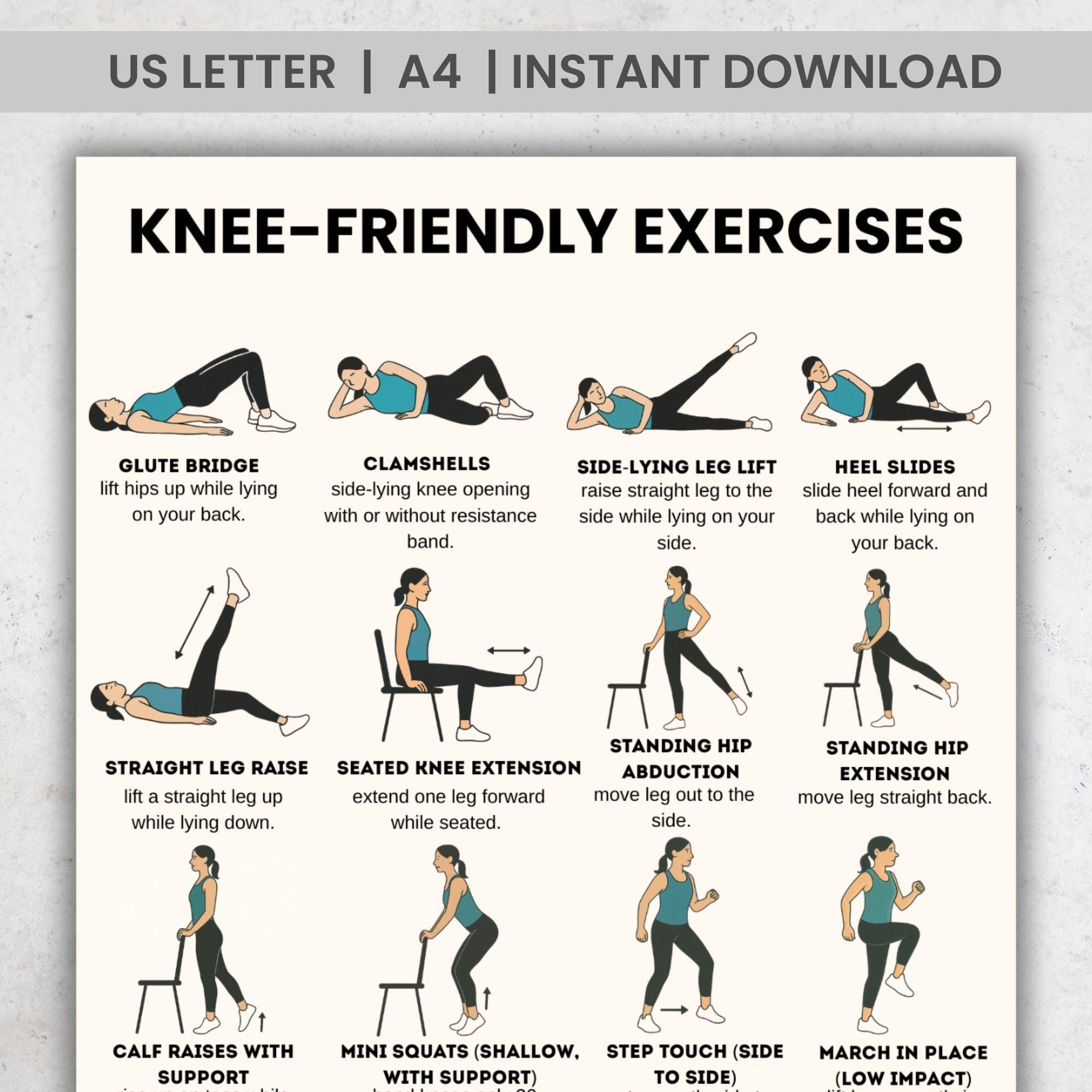
Current clinical guidelines from the European League Against Rheumatism (EULAR) and the American College of Rheumatology emphasize that low-impact aerobic exercise and structured strength training are the primary non-pharmacological interventions for knee osteoarthritis management. Consistent physical activity reduces pain and improves functional mobility by strengthening the muscles that support the joint.
Clinical Evidence for Exercise in Osteoarthritis Management
Osteoarthritis, a degenerative joint disease characterized by the breakdown of cartilage, affects millions of individuals across Europe. Clinical consensus currently identifies movement as the most effective method for symptom management, contradicting historical advice that suggested rest for affected joints.
Recent data from the European League Against Rheumatism (EULAR) indicates that structured exercise programs provide significant analgesic effects for patients with knee osteoarthritis. Unlike sedentary behavior, which can lead to muscle atrophy and increased joint loading, targeted movement facilitates the distribution of synovial fluid, which nourishes the cartilage and maintains joint lubrication.
The Role of Low-Impact Aerobic Activity
Aerobic exercise serves as a cornerstone of treatment protocols, specifically those that minimize high-impact stress on the knee joint. Cycling, swimming, and brisk walking are frequently cited as the most effective activities for sustaining cardiovascular health while managing joint inflammation.
Research published in the Cochrane Library suggests that land-based exercise programs, including walking and stationary cycling, demonstrate clear benefits in reducing pain scores and enhancing physical function. For patients with significant mobility limitations, aquatic therapy offers a supportive environment, as the buoyancy of water reduces the weight-bearing load on the knee joint, allowing for a greater range of motion without exacerbating pain.
Strength Training and Muscle Stabilization
The primary objective of strength training in the context of knee osteoarthritis is the development of the quadriceps and hamstring muscle groups. These muscles act as natural shock absorbers for the knee. When these muscles are weak, the joint bears more mechanical stress, which can accelerate the progression of structural damage.
Clinical guidelines recommend resistance training at least two to three times per week. This does not necessarily require heavy gym equipment; bodyweight exercises, such as chair stands or wall sits, are often prescribed during the initial phases of a physical therapy program. The goal is to improve the stability of the knee, thereby reducing the "giving way" sensation often reported by patients.
Exercise is a potent medicine for the knee joint. It is not just about moving; it is about specifically strengthening the periarticular muscles to offload the joint and restore functional capacity.Dr.
Addressing Misconceptions Regarding Joint Wear
A common concern among patients is the belief that exercise will further degrade the cartilage in an already compromised joint. However, current research refutes this. A large-scale longitudinal study published in the Journal of Orthopaedic & Sports Physical Therapy (2025) followed cohorts of patients with radiographic knee osteoarthritis and found no correlation between moderate, low-impact exercise and the acceleration of joint space narrowing.
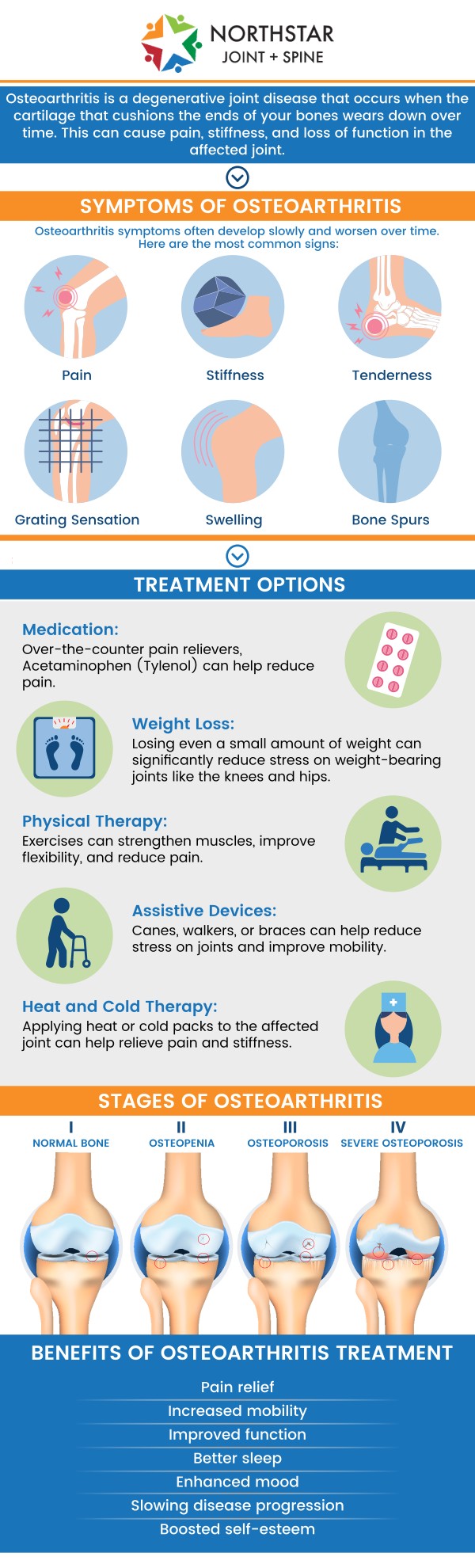
Instead, the study highlighted that prolonged inactivity is a significant risk factor for increased pain and systemic health decline. The consensus among orthopedic specialists is that the benefits of maintaining muscle mass and cardiovascular health far outweigh the negligible risk of mechanical wear from controlled, low-impact activity.
Implementation and Professional Guidance
While exercise is universally recommended, the intensity and type of activity must be tailored to the individual’s current functional status and comorbidities. Patients are advised to consult with a physiotherapist or a rheumatologist to develop a personalized plan that accounts for specific pain thresholds and range-of-motion limitations.
The transition to an active lifestyle should be gradual. Sudden increases in activity levels can lead to temporary inflammation, which may discourage long-term adherence. Most clinical pathways incorporate a "start low, go slow" approach, utilizing pain-monitoring scales to adjust the frequency and duration of exercise.
As of June 2026, healthcare systems across Europe are increasingly integrating digital health platforms to monitor patient adherence to home-based exercise routines. These tools provide real-time feedback and allow clinicians to adjust exercise prescriptions based on reported pain levels and progress, ensuring that patients receive support that is both evidence-based and responsive to their changing needs.
Patients experiencing persistent or worsening knee pain should consult their healthcare provider for a clinical evaluation before initiating a new exercise regimen to ensure that structural alignment and other medical factors are properly assessed.