The Ville de Limoges and multiple French municipalities are hosting diabetes screening events in June 2026, emphasizing early detection and lifestyle interventions. These initiatives align with the 15th National Diabetes Prevention Week, which highlights the link between heredity, lifestyle, and type 2 diabetes prevalence.
Municipal Screening Initiatives Across France
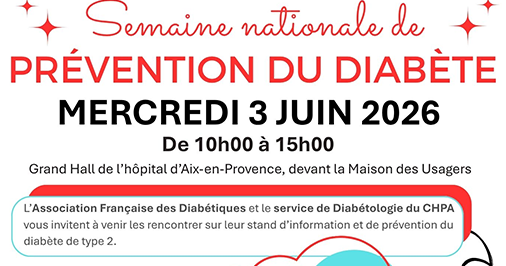
France’s 2026 National Diabetes Prevention Week features localized screenings and educational campaigns, reflecting a unified strategy to address a growing public health challenge. The Ville de Limoges organizes free diabetes depistage on June 3, 2026, at Place de la Motte, partnering with local health organizations like La Marguerite and the Association Française des Diabétiques 87. Meanwhile, Aix-en-Provence hosts two events on June 3 and 5, 2026, with stands offering expert consultations and glucose testing. These efforts mirror broader national goals to combat type 2 diabetes, which affects 4.3 million people in France, according to 2022 data from the Mairie d'Aix-en-Provence.

Type 2 diabetes, often asymptomatic in its early stages, remains a critical concern. A 2026 report by Ouest-France notes that one in five diabetics in France is unaware of their condition, underscoring the urgency of initiatives like Concarneau’s week-long screening campaign (June 2–5, 2026). Anne Cario, an infirmière coordinatrice, warns that the disease’s progression without visible symptoms can lead to severe complications, including cardiovascular and renal damage. This aligns with the Mairie d’Aix-en-Provence’s emphasis on lifestyle factors, such as obesity and sedentary habits, as key drivers of the epidemic.
Expanding Access Through Local Partnerships
Local governments are leveraging partnerships to expand access to diabetes care. In Limoges, the event includes free glycemic testing and health assessments, while Aix-en-Provence’s collaboration with hospitals and Lions Clubs ensures expert guidance. These efforts reflect a shift toward preventive care, as highlighted by the Mairie d’Aix-en-Provence: “Adopting hygiéno-diététiques measures can significantly reduce diabetes risk, even for those with genetic predispositions.” Such initiatives also address disparities in healthcare access, particularly in rural areas like Concarneau, where mobile screening units may reach underserved populations.
The 2026 campaigns highlight the need for sustained investment in diabetes prevention. With France’s diabetic population projected to grow due to aging and lifestyle trends, these localized efforts serve as a model for scalable public health strategies. The Mairie d’Aix-en-Provence’s data—showing 5.6% of the population has treated diabetes—underscores the stakes, while Limoges’ focus on workplace screenings demonstrates innovative approaches to early intervention. As experts warn that type 2 diabetes is now “a pandemic in slow motion,” these events may set a precedent for future health initiatives across Europe.
Reframing Diabetes as a Preventable Condition
The 2026 campaigns are part of a broader movement to reframe diabetes as a preventable condition. By combining grassroots outreach with institutional support, French municipalities are addressing both the medical and socioeconomic dimensions of the crisis. Future steps may include expanding screening programs, integrating digital health tools, and reinforcing policies that promote physical activity and healthy diets. As one local organizer noted, “Diabetes doesn’t have to be a death sentence—it’s a call to action for individuals and communities alike.”
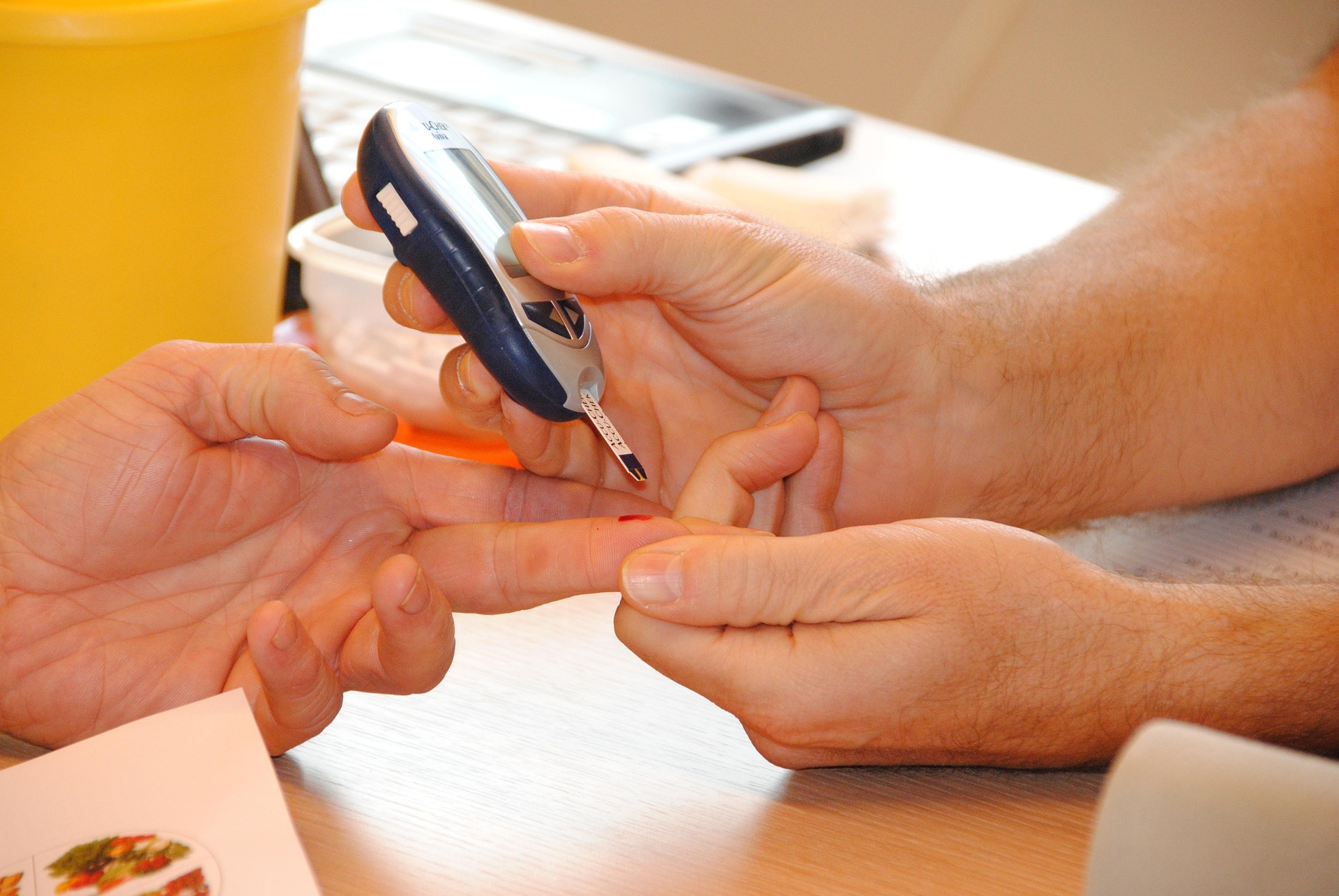
The clinical focus remains on the identification of metabolic markers before the onset of chronic impairment. According to the Mairie d’Aix-en-Provence, the integration of glucose testing into public events serves as a primary point of contact for individuals who might otherwise delay medical consultation due to the lack of overt symptoms. The coordination between municipal authorities and local nursing staff, such as the efforts led by professionals like Anne Cario, ensures that participants receive immediate feedback and, where necessary, are directed toward specialized care pathways for long-term management.
Clinical Guidelines and Logistical Frameworks
The reliance on “hygiéno-diététiques” measures—a term encompassing diet, physical activity, and weight management—forms the cornerstone of the public health messaging during the 2026 events. The Association Française des Diabétiques 87, active in the Limoges screening, emphasizes that these non-pharmacological interventions are the first line of defense. For individuals identified as high-risk during the screenings, the recommended next step is a formal consultation with a general practitioner or an endocrinologist to perform a comprehensive metabolic panel, including HbA1c testing, which provides a more accurate long-term picture of blood glucose control than a single point-of-care glucose test.
The logistical framework for these events has been designed to maximize reach. In Concarneau, the week-long duration allows for the deployment of resources to various neighborhood hubs, ensuring that residents have multiple opportunities to participate. This decentralization of health services is a strategic response to the documented “one in five” statistic regarding undiagnosed cases. By moving the screening process out of hospitals and into accessible public spaces, the municipalities aim to lower the barrier to entry for early medical evaluation. Readers are encouraged to consult with qualified healthcare professionals to discuss their individual risk factors, family history, and the appropriateness of regular screening based on their personal health profile.
“Adopting hygiéno-diététiques measures can significantly reduce diabetes risk, even for those with genetic predispositions.”
Mairie d’Aix-en-Provence, via Mairie d’Aix-en-Provence
“More than 4.3 million people in France are diagnosed with diabetes, but one in five remains unaware of their condition.”
Ouest-France, via Ouest-France
“Free screenings and health assessments are critical to early detection, especially in communities with limited access to care.”