A 74-year-old woman with Parkinson’s disease waited 10 hours for an ambulance after a fall at home, forcing the Northern Ireland Ambulance Service (NIAS) to issue an apology. The delay demonstrates a systemic failure to provide timely emergency care for patients with high-dependency medical needs.
How the emergency response failed
The patient’s family first contacted emergency services at 18:00. Dispatchers upgraded the call priority after the family pleaded for help, but they couldn’t provide an estimated arrival time.
A follow-up call was placed at 22:10. Despite the earlier upgrade, the service still couldn’t indicate when help would arrive. The ambulance finally reached the patient after 01:00.
Parkinson’s symptoms worsened the injury
The patient suffered a fractured shoulder. Because of her Parkinson’s, her shoulders kept rotating, which resulted in audible bone crunching during the wait.
She couldn’t handle the pain of remaining on the floor and struggled to move herself onto a sofa. Her condition prevented her from lying still, adding to the physical distress of the 10-hour delay.
Where the patient is now
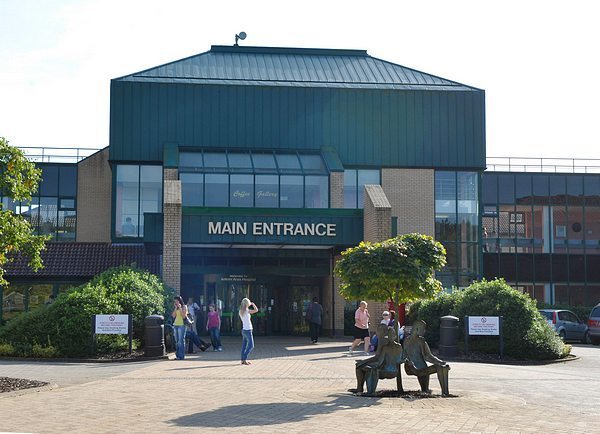
The woman’s daughter, Julie, confirmed her mother is currently at Antrim Area Hospital. She’s waiting for a transfer to the Royal Victoria Hospital in Belfast for further care.
NIAS staff were described as working in “incredibly difficult circumstances” with their “hands effectively tied.” This indicates a capacity gap that may leave patients with neurodegenerative disorders at higher risk during emergency surges.
Parkinson’s is a progressive movement disorder that causes stiffness and impaired balance. Delays in care are particularly hazardous for these patients, who often rely on time-critical medications to manage “off” periods and prevent severe symptom spikes.
Why was the delay particularly severe for this patient?
The patient’s Parkinson’s disease meant she couldn’t lie still on the floor and experienced rotating shoulders that caused her bones to crunch against a fracture.
Where is the patient being treated?
She is currently at Antrim Area Hospital and is waiting to be moved to the Royal Victoria Hospital in Belfast.