<"Lede" block> United Therapeutics Corporation announced that its phase 3 ADVANCE OUTCOMES study of ralinepag, an oral prostacyclin receptor agonist, achieved a 55% reduction in the risk of clinical worsening in patients with pulmonary arterial hypertension (PAH), according to a March 2026 press release. The trial, which enrolled 728 participants, met its primary endpoint, with results presented at the American Thoracic Society conference in May 2026. The drug, developed in collaboration with MannKind, is poised to redefine PAH treatment with its once-daily dosing and potential FDA approval by mid-2026.
The ADVANCE OUTCOMES study, a randomized, double-blind, placebo-controlled trial, evaluated ralinepag’s efficacy in delaying disease progression among PAH patients. The trial’s primary endpoint, defined as the time to clinical worsening—a composite of hospitalization, disease progression, or death—showed a statistically significant 55% risk reduction in the ralinepag group compared to placebo (p<0.001). The study population included patients on dual background therapy, with 80% receiving phosphodiesterase-5 inhibitors or endothelin receptor antagonists, and 70% on intravenous prostacyclin analogs. These findings underscore ralinepag’s potential as a complementary therapy for patients with advanced PAH, according to the press release.
Ralinepag, a non-selective prostacyclin receptor agonist, was formulated as an immediate-release oral tablet to ensure continuous receptor activation. The drug’s long half-life and high potency in the pulmonary vasculature were highlighted in a 2025 study published in Clinical Pharmacology & Therapeutics, which demonstrated its ability to maintain vasodilation without frequent dosing. United Therapeutics secured $5 million in additional funding to accelerate the development of a dry powder inhalation (DPI) formulation, aiming to expand its application to conditions like pulmonary fibrosis. The DPI program, announced by MannKind in May 2026, is currently in preclinical stages, with phase 1 trials in healthy volunteers planned for 2027.
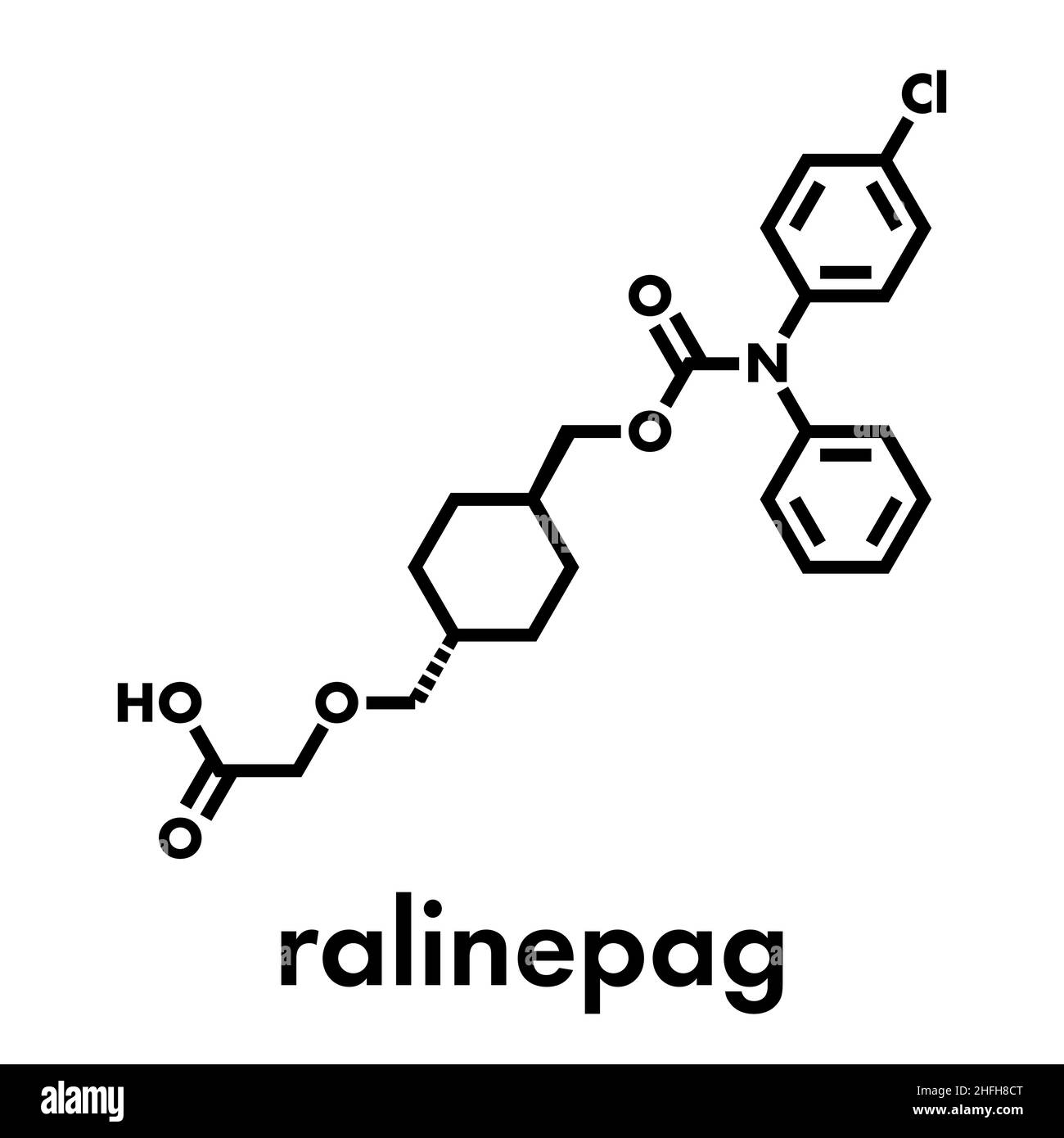
The FDA’s Breakthrough Therapy Designation for ralinepag, granted in 2025, accelerated its development timeline, allowing for expedited review. This designation followed positive interim results from a phase 2 trial, which reported a 42% improvement in six-minute walk distance and a 30% reduction in pulmonary vascular resistance. However, the drug’s safety profile remains under scrutiny. A 2025 pharmacokinetic study noted transient side effects, including headache and flushing, in 15% of trial participants, though no serious adverse events were attributed to ralinepag.
The ADVANCE OUTCOMES trial’s success has positioned ralinepag as a potential first-line oral therapy for PAH, addressing the limitations of existing treatments. Current PAH therapies often require frequent dosing or invasive administration, such as intravenous infusions. Ralinepag’s once-daily dosing, combined with its oral bioavailability, offers a practical alternative for patients, according to Dr. John Elliott, a lead investigator on the study and professor of pulmonary medicine at the University of California, San Francisco. “Ralinepag’s mechanism of action provides sustained receptor activation, which could reduce the burden of chronic PAH management,” Elliott stated in a press briefing.
Regulatory submissions for ralinepag are expected by the end of 2026, with the FDA’s advisory committee scheduled to review the drug in early 2027. The European Medicines Agency (EMA) has also initiated a parallel evaluation, pending final trial data. United Therapeutics emphasized that the drug’s approval would depend on its demonstrated long-term safety and efficacy, with post-marketing studies required to monitor cardiovascular outcomes.
For patients, the results offer hope but also caution. While ralinepag’s phase 3 data are promising, the drug is not yet approved, and its long-term effects remain unknown. The American Lung Association advises patients to consult their healthcare providers before considering experimental therapies, stressing the importance of individualized treatment plans. “Patients should understand that clinical trial results do not always translate to real-world outcomes,” said Dr. Maria Lopez, a pulmonologist at the Mayo Clinic. “Ralinepag represents a significant advancement, but it is not a cure.”
The next steps for ralinepag include finalizing regulatory filings and initiating real-world effectiveness studies. United Therapeutics has also partnered with the Pulmonary Hypertension Association to educate healthcare providers about the drug’s potential role in PAH management. As the company prepares for commercialization, the focus remains on ensuring safe and equitable access to the therapy.
<"Paragraph" block> The ADVANCE OUTCOMES trial’s findings align with broader efforts to improve PAH treatment paradigms. Current guidelines from the European Society of Cardiology (ESC) and the American College of Chest Physicians (ACCP) recommend prostacyclin analogs as first-line therapies for severe PAH, but their administration often requires hospitalization or complex devices. Ralinepag’s oral