San Francisco health officials confirmed the city’s first case of a more severe strain of mpox on April 16, 2026, involving an unvaccinated adult who had close contact with an internationally traveled individual.
The case, identified as Clade I mpox, marked the seventh such infection in California since the strain was first detected in the state in November 2024. The patient required hospitalization but is recovering, according to the San Francisco Department of Public Health.
While most mpox cases in the U.S. Since 2022 have been the less severe Clade II strain, health officials warn Clade I may cause more serious illness and spread more easily through close personal contact. The detection comes as overall mpox cases in California rise sharply, with 14.5 cases reported per week so far this year—more than four times the rate seen during the same period in 2025.
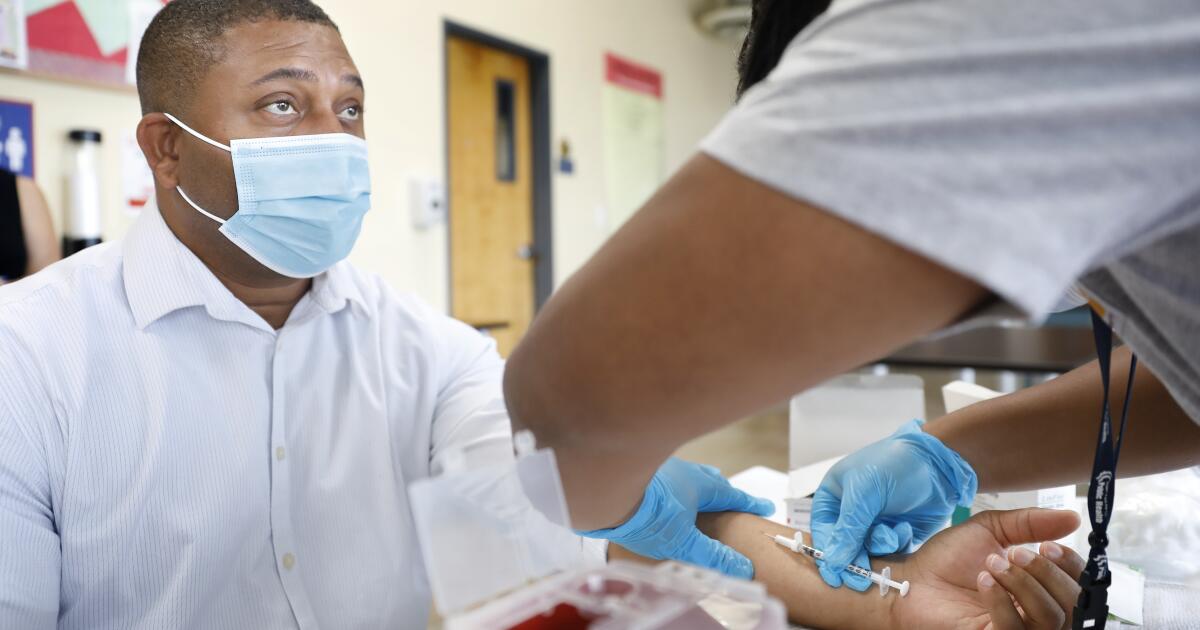
State and local officials are urging vaccination for high-risk groups, including men who have sex with men, transgender and nonbinary individuals, people with HIV, and those with occupational exposure risks. The vaccine, which protects against both strains, is available at pharmacies and healthcare providers, with special assistance programs for the uninsured.
Despite the uptick in cases, public health officials emphasize that the general public remains at low risk, as transmission primarily occurs through close skin-to-skin contact rather than casual contact.
Vaccination gaps fuel concern as cases climb
Data shows most recent infections occurred in unvaccinated individuals, underscoring gaps in immunization coverage among vulnerable populations. California’s public health director stressed that receiving both vaccine doses significantly reduces the risk of infection and severe illness for those at heightened exposure risk.
The resurgence coincides with increased summer travel and social gatherings, creating conditions where the virus could spread more readily within interconnected networks. Officials note that while Clade I cases remain rare nationally, the upward trend in Clade II infections suggests waning immunity or reduced preventive behaviors in some communities.
Strain differences shape public health response
Clade I, predominantly found in Central and Eastern Africa, has historically been associated with higher mortality rates compared to Clade II, which drove the 2022 U.S. Outbreak. Between November 2024 and February 2026, only 11 Clade I cases were recorded nationwide, keeping the strain’s domestic presence limited.
Still, the strain’s potential for increased transmissibility through intimate contact has prompted targeted outreach to specific communities. Health authorities acknowledge uncertainty about Clade I’s exact severity relative to Clade II but emphasize preventive measures remain consistent across both strains.
Access barriers persist for vulnerable groups
Despite vaccine availability through standard healthcare channels, structural barriers continue to hinder immunization for some at-risk individuals. Uninsured residents can access vaccination sites via a dedicated city resource page, though navigating these systems remains challenging for marginalized groups facing healthcare disparities.
Occupational risk groups, such as laboratory workers handling samples, are likewise included in vaccination recommendations—a detail that broadens the scope of prevention beyond social networks. This inclusive approach aims to capture exposure risks that might otherwise proceed unrecognized in community-based outreach.
How effective is the mpox vaccine against both strains?
Health officials confirm the vaccine provides protection against both Clade I and Clade II mpox variants, reducing infection risk and severity of illness when administered as a two-dose series.
Who qualifies for free or low-cost vaccination in San Francisco?
Uninsured residents and those facing financial barriers can access vaccination through locations listed on the city’s official health portal at sf.gov/mpox, which provides a directory of participating providers and pharmacies.
Can casual contact spread mpox?
Transmission primarily requires close skin-to-skin contact, such as during sexual activity or prolonged physical intimacy, making casual contact like brief touchings or shared surfaces unlikely to transmit the virus according to current public health guidance.