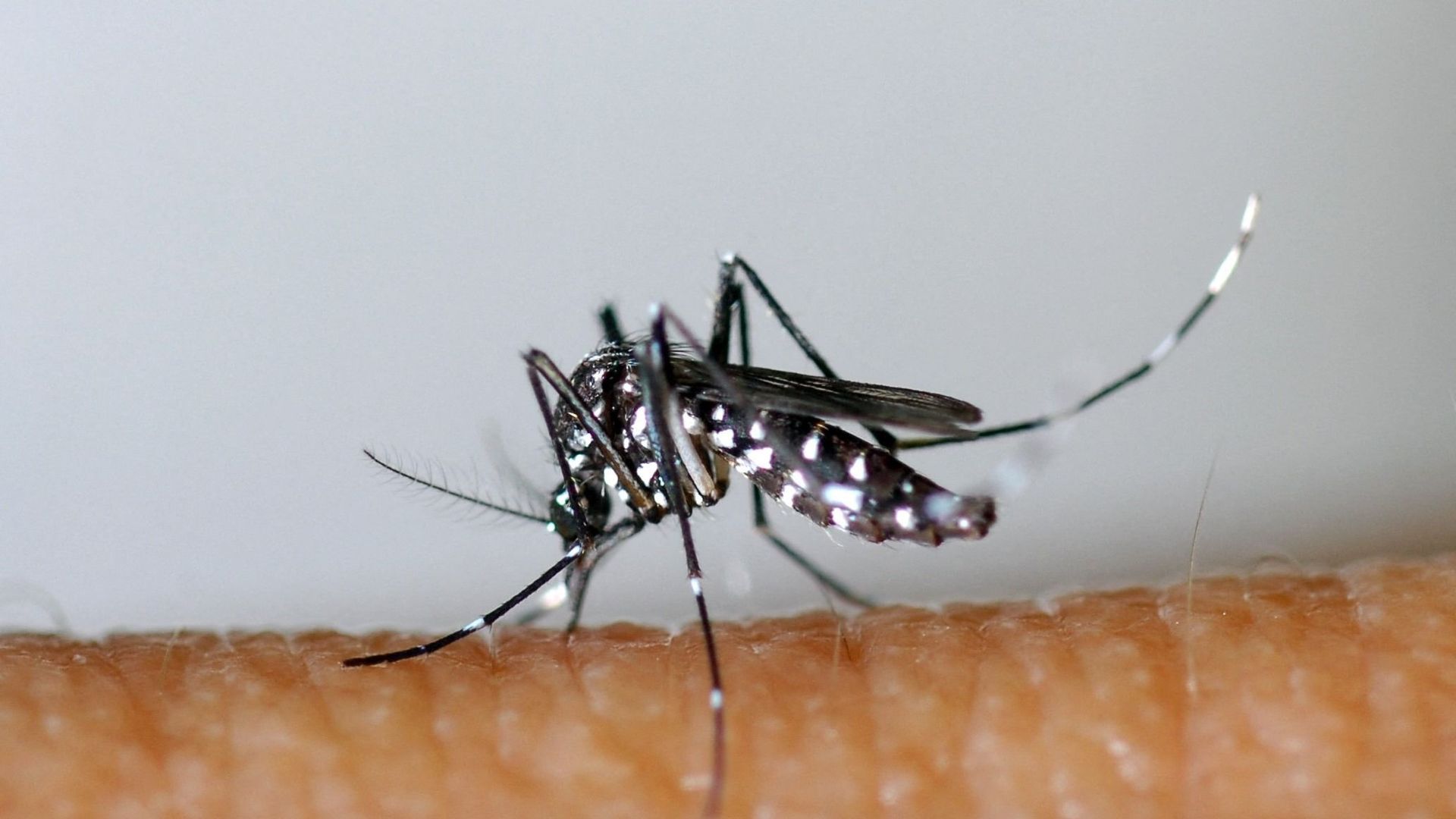
In May 2025, officials confirmed the presence of Aedes albopictus, or the tiger mosquito, in Saint-Josse, Belgium, after larvae were discovered in five residential gardens. This invasive species, which has now been observed in 40 Belgian municipalities since 2022, is increasingly establishing itself across the country through human-mediated travel and trade.
The Colonization of Urban Spaces
The detection in Saint-Josse marks a continuation of a broader trend that has seen the tiger mosquito steadily gain ground in Belgium since systemic citizen surveillance began in 2022. According to reports from RTBF, the discovery followed a series of targeted inspections in local gardens. In two of the five checked locations, authorities identified larvae, and subsequent trapping efforts over a two-week period successfully captured an adult specimen.

Pascale Hourman, a spokesperson for Bruxelles Environnement, indicated that the expansion of the species is not accidental but facilitated by modern mobility. "They arrived by different means such as tourism and commerce," Hourman explained. The insect, originally native to Southeast Asia, has demonstrated a remarkable ability to adapt to European urban environments.
Biological Resilience and Proliferation Risks
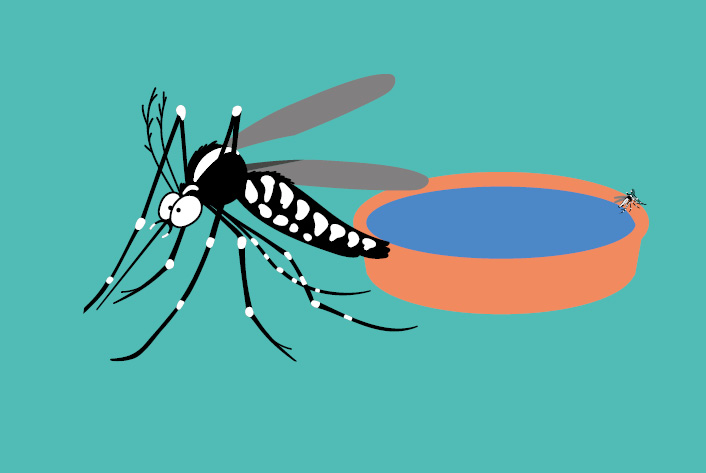
The tiger mosquito is uniquely suited to thrive in densely populated areas because it does not require large bodies of water to reproduce. Unlike native mosquito species that favor ponds or wetlands, Aedes albopictus is an urban specialist capable of laying eggs in micro-volumes of water. Reporting from Charente Libre highlights that even a discarded bottle cap or a poorly drained garden toy can provide sufficient habitat for hundreds of larvae to hatch within a week.

The biological clock of the insect accelerates as temperatures rise. Once water temperatures consistently exceed 15°C to 18°C, the developmental cycle—from egg to larva to nymph and finally to a flying adult—can occur in as little as seven to ten days. This rapid maturation necessitates early intervention.
"It is an insect that acclimates quite easily, so it requires special attention. Especially since females can produce up to 100 eggs per laying.
Identifying the Threat and Mitigation Strategies
Recognizing the presence of the tiger mosquito is the first step in population control. The species is known for its distinct physical behavior and the nature of its bite. Health authorities in Auvergne-Rhône-Alpes note that the bite of the tiger mosquito is typically more painful and triggers longer-lasting itching than that of other common mosquitoes. The reaction often presents as a hard, warm, and painful bump, ranging from 5 millimeters to 2 centimeters in diameter, often resembling a blister.
- Empty water-collecting saucers twice weekly or fill them with sand.
- Ensure rain recovery tanks are sealed with fine mesh or airtight lids.
- Clear gutters of dead leaves to prevent stagnant water accumulation.
- Inspect garden furniture covers for folds that may trap rainwater.
While commercial solutions like UV lamps or citronella candles are popular, they are often insufficient against a localized infestation. The most effective strategy remains the systematic removal of potential breeding sites, particularly during the critical window in May when the first major wave of reproduction occurs.
Public Health Implications for 2026
As of May 2026, France and surrounding regions have entered a period of reinforced surveillance for diseases transmitted by mosquitoes, including dengue, chikungunya, Zika, and West Nile virus. The current season is being framed as high-risk following the record-setting expansion observed in 2025.
The term "le" has historically been used in various contexts, from its origins in Old French to its modern, often jocular usage in English-language internet subcultures—as seen in early 2000s Usenet discussions—to signify a stereotypical French cadence. However, in the context of European public health, the "le" in le moustique-tigre represents a very real, non-jocular challenge for municipal authorities. As noted by linguistic resources, the term reflects a shift from simple linguistic borrowing to a permanent fixture in the European environmental vocabulary.
The next thirty days will be decisive for municipal management. With temperatures rising, the frequency of new detections is expected to climb. Residents in affected communes are advised to remain vigilant, as the combination of favorable climate conditions and human activity continues to expand the range of this anthropophilic species, which prefers human blood to fuel the development of its offspring.