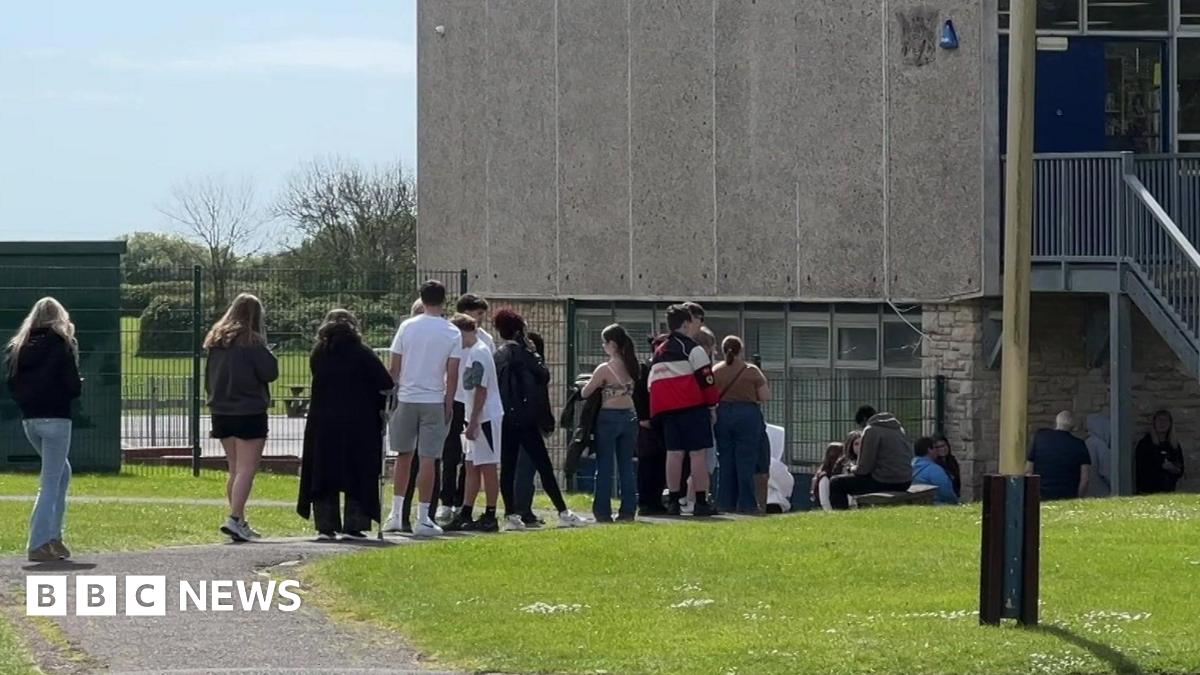
Three confirmed cases of meningitis B in Dorset have triggered a targeted public health response, with health officials offering antibiotics and vaccines to thousands of secondary school students in Weymouth, Portland and Chickerell as a precautionary measure.
The UK Health Security Agency confirmed the cases occurred between 20 March and 15 April, affecting two students at Budmouth Academy who are close contacts and a third student at Wey Valley Academy. All three are recovering well after treatment, according to the agency.
Although the strain matches the meningitis B type seen in a recent deadly outbreak in Kent, health authorities stressed there is no epidemiological link between the two clusters. The Kent outbreak, which saw 21 cases and two deaths in March, was described by experts as the fastest-growing meningococcal transmission they had ever observed.
In response, UKHSA deputy director Dr Beth Smout explained that close contacts of the Dorset cases have already received antibiotics, and now all secondary school-aged individuals in the affected areas — whether in education or not — are being offered a single dose of antibiotics followed by the MenB vaccine. Those under 16 must be accompanied by a parent or guardian to provide consent.
To manage the expected influx of visitors to Budmouth Academy, where vaccination clinics are being held over the weekend, temporary traffic diversions have been routed via a local industrial estate. Information on meningitis symptoms — including fever, headache, rapid breathing, drowsiness, shivering, vomiting and cold extremities — has been distributed to students and parents.
For more on this story, see UKHSA offers meningitis B vaccines to Dorset students after three cases.
While meningococcal disease causes around 300 to 400 cases annually in England, outbreaks remain rare. Officials emphasized that although the bacteria can progress rapidly, it does not spread easily, and the current response is proportionate to the risk.
Vaccinations are being administered in stages over several days to avoid overwhelming clinic capacity. The UKHSA said further details on the dosing schedule will be released as clinics progress, though priority is being given to those who have not yet received preventative antibiotics.
Parents and students at the clinics have reportedly welcomed the initiative, appreciating the clear communication and accessible provision of both prophylaxis and vaccine. No serious side effects from the antibiotics or vaccine have been reported in the ongoing rollout.
Who is eligible for the antibiotics and vaccine in Dorset?
All secondary school students in school years 7 to 13 who live or study in Weymouth, Portland and Chickerell are eligible, as well as anyone not in full-time education who would fall into those age groups. Under-16s must be accompanied by a consenting parent or guardian.
Is the meningitis B strain in Dorset the same as the one that caused deaths in Kent?
The strain is the same meningococcal B type but a different sub-strain, and health officials have confirmed there is no link between the Dorset cases and the Kent outbreak that resulted in two deaths and 21 cases in March.
How quickly can meningitis B progress, and what symptoms should people watch for?
Meningococcal disease can progress rapidly, sometimes within hours, and early symptoms include fever, headache, rapid breathing, drowsiness, shivering, vomiting and cold hands and feet — signs that require immediate medical attention.
Why are antibiotics being given to people who aren’t sick?
The antibiotics are prescribed as a precaution to close contacts of confirmed cases to eliminate any bacteria they may be carrying, reducing the risk of secondary transmission even if they reveal no symptoms.