As of Monday, May 18, 2026, the United Nations mission in the Democratic Republic of the Congo (RDC) has pledged support to the Congolese government and the World Health Organization to contain an emerging Ebola outbreak. Authorities have reported 91 probable deaths and approximately 350 suspected cases in the country’s eastern Ituri province.
Regional Spread and Public Health Response
The outbreak, which originated in the eastern region of the Democratic Republic of the Congo, has begun to show signs of potential cross-border transmission. On Monday, health officials in South Sudan confirmed a case of the Ebola virus in Nabiapai, a community located in the state of Western Equatoria near the Congolese border. This detection follows warnings from the South Sudanese Ministry of Health regarding the heightened risk of transmission after an initial surge of cases in the neighboring Ituri province.
In the Democratic Republic of the Congo, the government is intensifying its emergency response. Roger Kamba, the Congolese Minister of Health, visited Bunia, the capital of Ituri, to oversee the deployment of resources. The government is currently working to establish treatment centers in three primary locations to address the patient load. These centers are intended to centralize clinical care and ensure that suspected cases can be isolated to prevent further community transmission.
We have around 350 suspected cases. We are preparing to enable treatment centers in the three sites in order to expand our capacity. Regarding the deaths, 91 have been declared, but these are probable deaths.
Roger Kamba, Minister of Health, Democratic Republic of the Congo
The World Health Organization (WHO) has categorized the situation with significant urgency, having declared an international emergency on Sunday. This declaration has prompted multiple African nations to reinforce border health controls and surveillance systems to mitigate the risk of further regional spread. Public health mandates following this declaration include the implementation of mandatory health screenings at points of entry and the mobilization of diagnostic teams capable of testing samples in remote border areas.
United Nations Involvement and Coordination
The United Nations Organization Stabilization Mission in the Democratic Republic of the Congo (MONUSCO) has confirmed its active participation in the containment efforts. The mission is operating within its mandate to provide logistical and coordination support to both the national government and international health partners. This includes the transport of medical supplies and personnel to areas rendered difficult to reach by terrain or regional security concerns.
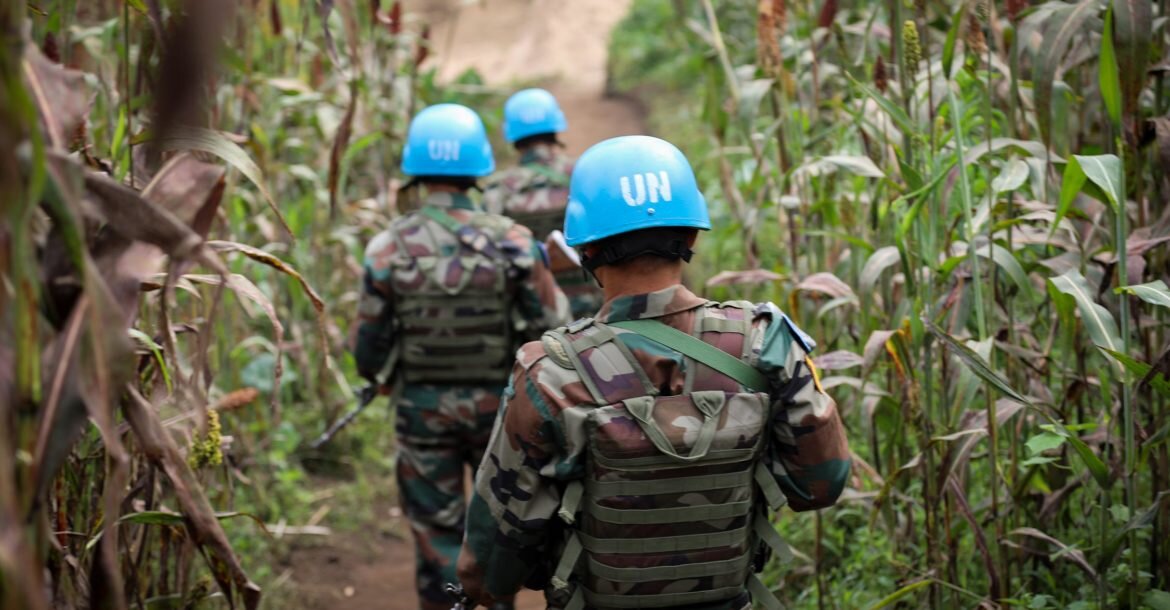
According to agency reports from May 18, 2026, the mission remains mobilized to assist in the response, ensuring that aid and medical infrastructure reach the affected areas in Ituri. This coordination is considered vital by regional experts, as the eastern RDC has historically faced complex challenges in managing public health emergencies due to regional instability and difficult terrain. MONUSCO personnel are working alongside humanitarian partners to maintain a supply chain for personal protective equipment and rehydration solutions necessary for the clinical management of the outbreak.
Surveillance Challenges in the Borderlands
The identification of the case in South Sudan demonstrates the efficacy of the heightened surveillance protocols implemented in border communities. Local authorities in Western Equatoria, led by Minister of Health James Abdalla Arona, utilized established monitoring systems in the Yambio South county to identify the infected individual. The surveillance strategy involves contact tracing and the monitoring of individuals who have recently traveled from the Ituri province.
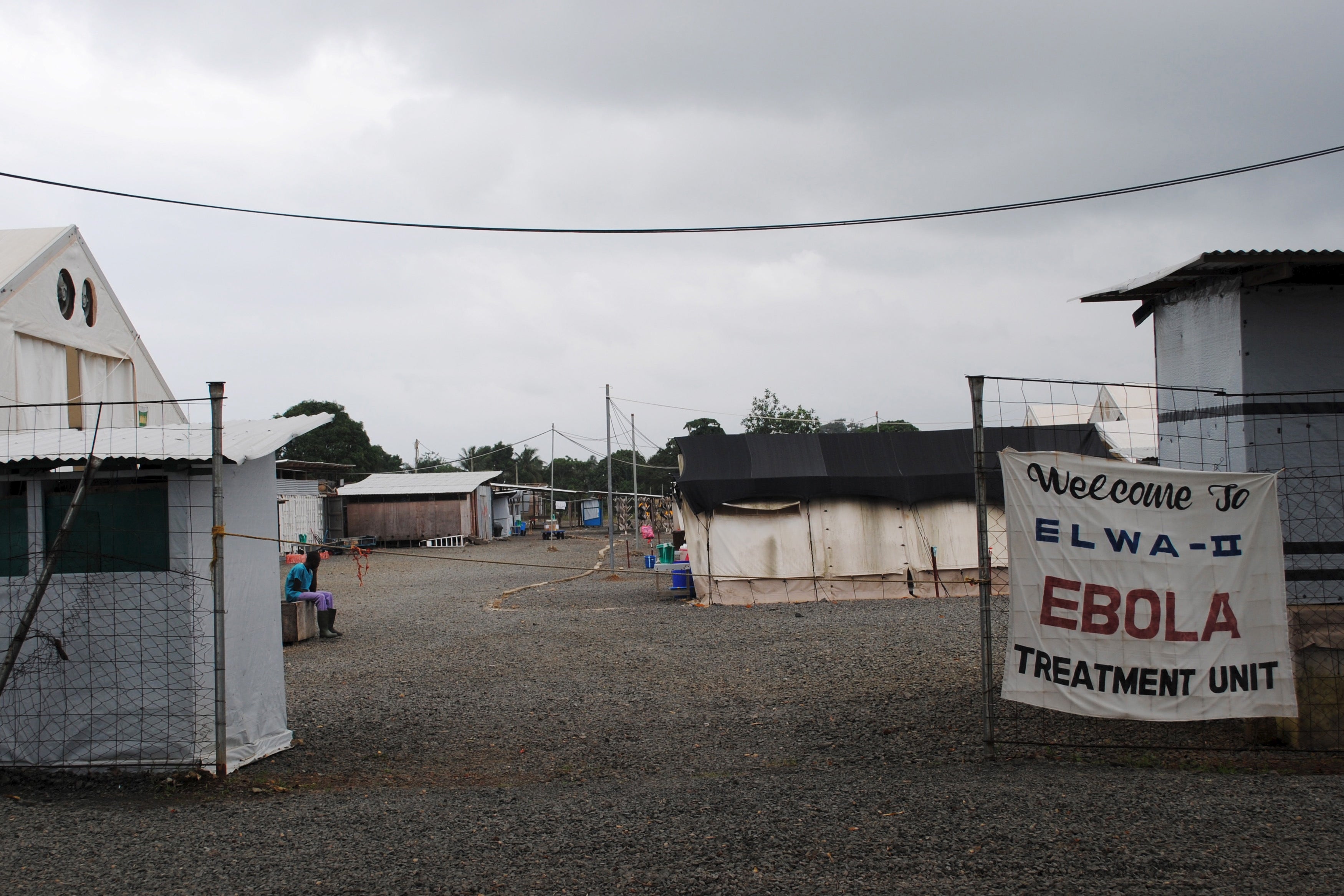
The current health crisis is further complicated by concurrent outbreaks in the region. Congolese health authorities previously alerted the international community to a cholera outbreak in the same province of Ituri last Friday, which has already resulted in significant mortality. The dual pressure of Ebola and cholera has strained local healthcare systems, necessitating the rapid arrival of international aid and the expansion of specialized treatment facilities. Clinical teams are currently tasked with differentiating symptoms between the two diseases to ensure appropriate treatment protocols are applied, as both conditions can present with severe gastrointestinal complications.
While the primary focus remains on the eastern provinces of the Democratic Republic of the Congo, health ministries in neighboring countries, including Uganda—which has also reported at least one death linked to the broader regional health situation—are remaining on high alert. The international community is monitoring the situation for further developments as the WHO and local governments work to break the chains of transmission. Epidemiological teams are currently prioritizing the identification of patient zero and the mapping of transmission pathways to contain the virus within the current hotspots.
The situation remains fluid. Further updates on the containment strategy and the status of the treatment centers are expected as the response efforts progress throughout the week. Individuals residing in or traveling to the affected regions are advised to monitor guidance from their local healthcare providers and national public health authorities. For those in affected areas, standard medical protocols include reporting symptoms such as high fever, fatigue, and unexplained bleeding to the nearest medical facility immediately. Readers should consult with qualified medical professionals or official public health agencies for personalized health advice and safety precautions.