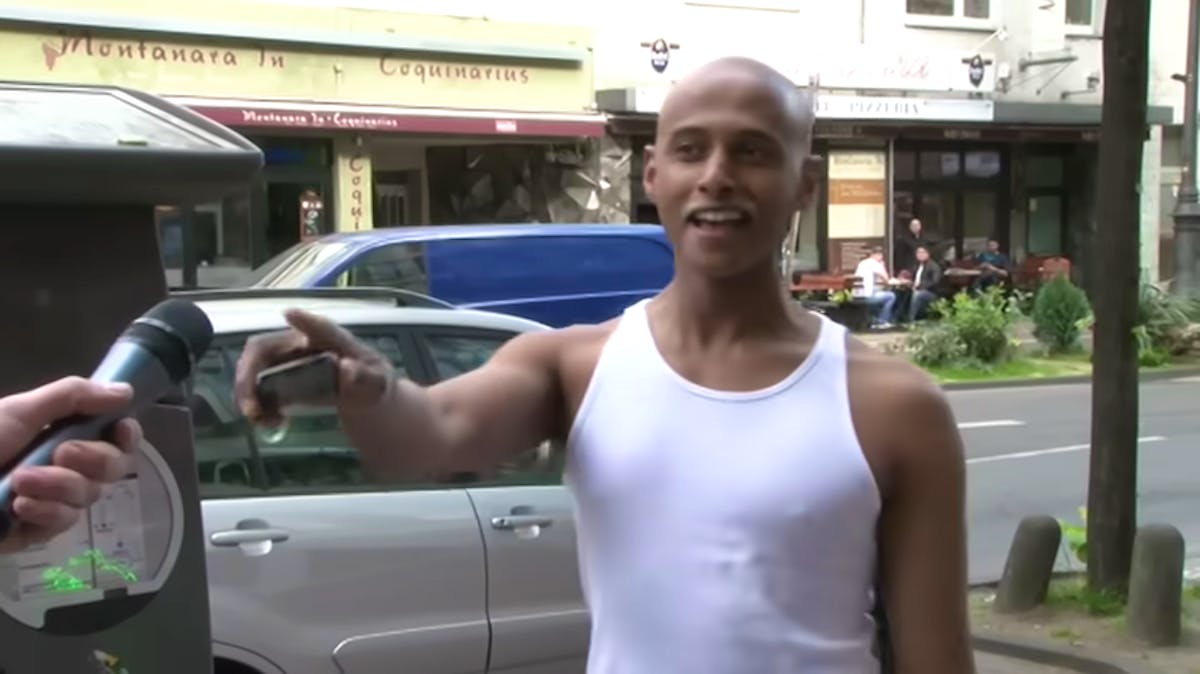
A 15-year-old YouTube video that fooled millions into believing it was a real integration test has grown into one of Germany’s most enduring comedy legacies. On May 8, 2011, Tedros “Teddy” Teclebrhan uploaded a sketch titled “Umfrage zum Integrationstest (was nicht gesendet wurde)”—a fake survey that parodied how migrants might answer basic questions about German culture. The video’s absurdity, particularly the fictional “Bundeskanzler” Angelo Merte (a play on Angela Merkel), became a viral sensation, sparking debates about racism, humor, and integration. Today, the clip has 47.7 million views, and Teclebrhan, now a household name in German comedy, credits it as the moment that launched his career.
What began as a satirical prank—many viewers initially believed the video was real—has since evolved into a cultural touchstone. The sketch’s blend of sharp humor and social commentary turned Teclebrhan into a media darling, from late-night TV appearances to his own comedy specials. Yet behind the laughter lies a story of resilience: Teclebrhan, who fled Eritrea as a child refugee, used the persona of Antoine Burtz to expose stereotypes while subverting them. Fifteen years later, the video’s legacy endures as both a comedy classic and a mirror reflecting Germany’s ongoing integration challenges.
From Viral Hoax to Comedy Breakthrough: The Birth of Antoine Burtz
The video’s premise was simple: Teclebrhan, playing a fictional migrant named Antoine Burtz, was “interviewed” about his knowledge of German culture. His responses—delivered in a thick, exaggerated dialect—were deliberately absurd. When asked who the German chancellor was, he replied, “Angelo Merte.” The name became so iconic that fans created merchandise featuring a doctored image of Merkel with the fictional surname. The sketch’s power lay in its ambiguity: many viewers, including Stefan Raab, Germany’s flamboyant TV host, initially thought it was real.
“Was labersch du?”

This phrase—roughly translating to “What are you babbling about?”—became Antoine Burtz’s signature line, encapsulating the character’s clueless yet defiant persona. The video’s success hinged on its ability to make audiences question their own assumptions. Linguists later analyzed the clip, noting how Teclebrhan’s portrayal tapped into stereotypes of “bildungsferne” (educationally disadvantaged) migrants, yet also allowed viewers to laugh with rather than at the character. The ambiguity, researchers argued, was key to its viral spread.
Teclebrhan’s real-life story adds depth to the sketch’s impact. Born in Eritrea in 1985, he fled with his mother and brothers in 1985, settling in Germany as a child. Struggles with integration—including racism in school—shaped his perspective. By 2011, he was ready to turn those experiences into art. The Angelo Merte video wasn’t just a joke; it was a middle finger to those who underestimated him.
The Aftermath: How a Hoax Launched a Career
The video’s viral success catapulted Teclebrhan into the spotlight almost overnight. Within months, he was a regular on TV total, Raab’s late-night show, where his improvisational comedy and singing impressed even the host. His breakthrough led to a ZDFneo series, Teddy’s Show, and a string of sold-out comedy tours across Germany, Austria, and Switzerland. Today, he’s a staple of German comedy, with millions of followers on TikTok and appearances on shows like Wer stiehlt mir die Show?
Yet the video’s legacy isn’t just about Teclebrhan’s success. It also sparked broader conversations about race and representation in German media. The fact that so many viewers mistook the sketch for reality highlighted how deeply stereotypes were ingrained—and how humor could either reinforce or challenge them. For Teclebrhan, the key was control: by playing the “clueless migrant” himself, he could decide when to mock the stereotype and when to humanize it.
The Cultural Ripple: What the Video Reveals About Germany’s Integration Debates
The Angelo Merte video emerged during a fraught period in German politics. In 2011, the CDU adopted the term “Leitkultur” (dominant culture) into its platform, fueling debates about assimilation. Teclebrhan’s sketch arrived at the perfect storm: it mocked the idea of a monolithic German identity while also critiquing the lack of nuance in public discourse about migration. The video’s longevity—it’s still referenced in discussions about racism today—shows how deeply it resonated.

Linguistic studies of the clip, including work from the University of Freiburg, framed it as an example of “Ethno-Comedy”: humor that both reflects and resists cultural stereotypes. The researchers noted that Antoine Burtz’s exaggerated traits—his dialect, his ignorance of basic facts—mirrored real-world prejudices. But by presenting them through comedy, Teclebrhan forced audiences to confront those biases in a way that felt safe, even cathartic.
Where Is Teddy Teclebrhan Today—and What’s Next for Antoine Burtz?
Fifteen years after the viral video, Teclebrhan remains a dominant force in German comedy. His YouTube channel attracts over a million subscribers, and his live shows sell out in minutes. Yet the Angelo Merte persona hasn’t faded—it’s evolved. In recent years, Teclebrhan has used Antoine Burtz to tackle new topics, from gentrification in Berlin to the rise of far-right politics. The character’s enduring appeal lies in his adaptability: he’s both a punchline and a mirror.

Looking ahead, Teclebrhan shows no signs of slowing down. With new projects in development—including potential TV roles and music collaborations—the question isn’t whether Antoine Burtz will stay relevant, but how he’ll continue to push boundaries. One thing is certain: the 2011 video that fooled millions will forever be remembered as the moment a refugee-turned-comedian turned German humor on its head.
Why This Story Matters Now
The Angelo Merte video’s 15th anniversary isn’t just a nostalgia trip—it’s a reminder of how comedy can expose truths while making audiences laugh. In an era where debates about migration and identity remain as contentious as ever, Teclebrhan’s work offers a rare example of art that both entertains and provokes thought. For a generation that grew up with YouTube, the video also serves as a case study in viral culture: how a single moment can redefine a career, spark national conversations, and leave an indelible mark on pop culture.
As for Teclebrhan? He’s long since moved beyond the viral fame of 2011. But the lesson of Angelo Merte endures: sometimes, the best way to challenge stereotypes is to laugh at them first.