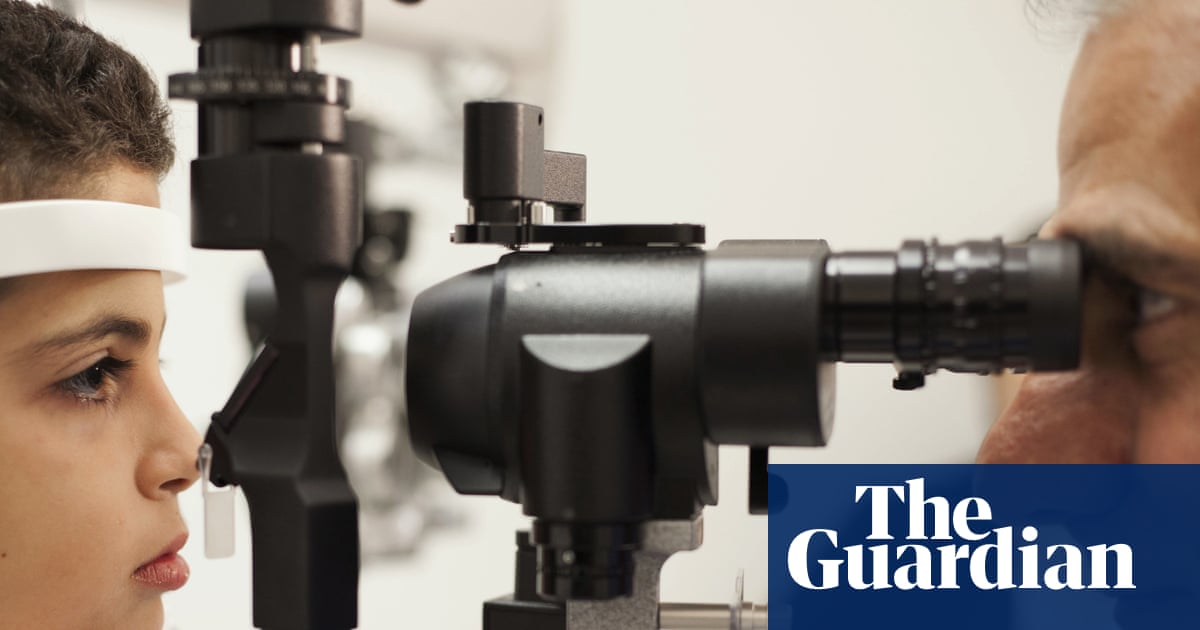
Jean Bennett, Albert Maguire, and Katherine High received the $3 million Breakthrough Prize in Life Sciences on April 18, 2026, for developing Luxturna, the first approved gene therapy for inherited blindness.
The therapy treats Leber congenital amaurosis, a genetic disorder causing total blindness by early adulthood, by delivering a functional copy of the RPE65 gene to retinal cells using a modified virus.
Luxturna was approved in the United States in 2017 and is now available in the US, Canada, Australia, and Switzerland, restoring vision in patients who previously faced lifelong blindness.
Clinical trial participants described seeing their child’s face for the first time, perceiving fine details like wood grain, and observing movement such as branches swaying in the wind.
Bennett and Maguire met although dissecting a brain at Harvard Medical School and later adopted two dogs, Venus and Mercury, whom they treated during early research; the animals became their pets.
The same Breakthrough Prize ceremony honored Swee Lay Thein and Stuart Orkin for foundational function leading to Casgevy, the first CRISPR-based gene therapy approved for sickle cell disease and beta-thalassemia.
Casgevy disables the BCL11A gene to reactivate fetal hemoglobin, reducing sickling of red blood cells and alleviating painful crises, organ damage, and transfusion dependence.
Sickle cell disease affects 7 to 8 million people globally, primarily in Africa, while beta-thalassemia requires lifelong blood transfusions in severe forms; both conditions now have curative options.
Thein began investigating milder disease presentations in the 1980s after observing asymptomatic infants with sickle cell genotypes, a puzzle first noted by pediatrician Janet Watson.
Bennett recalled early gene therapy efforts in the 1980s as hampered by missing tools: no known disease genes, no animal models, and no delivery vectors, forcing her team to build everything from scratch.
Initial adenovirus-based delivery in mice showed gene transfer but poor durability, a frustration Maguire described as “highly frustrating” despite early success.
Advances in nucleic acid technology have since enabled precise genomic editing, shifting gene therapy from theoretical promise to clinical reality for inherited diseases.
Genetic diseases affect an estimated 70 to 80 million people worldwide, with limited treatment options historically available beyond symptom management.
Bennett warned that political interference in science — including undermined research agencies, dismissed experts, and politicized agendas — risks causing generational damage and triggering a brain drain from the United States.
How does Luxturna restore vision in patients with inherited blindness?
Luxturna uses a modified adenovirus to deliver a working copy of the RPE65 gene directly into retinal cells, enabling them to produce the protein needed for light detection and visual signal transmission.
What makes Casgevy a significant advance for sickle cell disease and beta-thalassemia?
Casgevy uses CRISPR to disable the BCL11A gene, which reactivates fetal hemoglobin production, preventing red blood cell sickling and reducing disease complications without requiring donor stem cells.