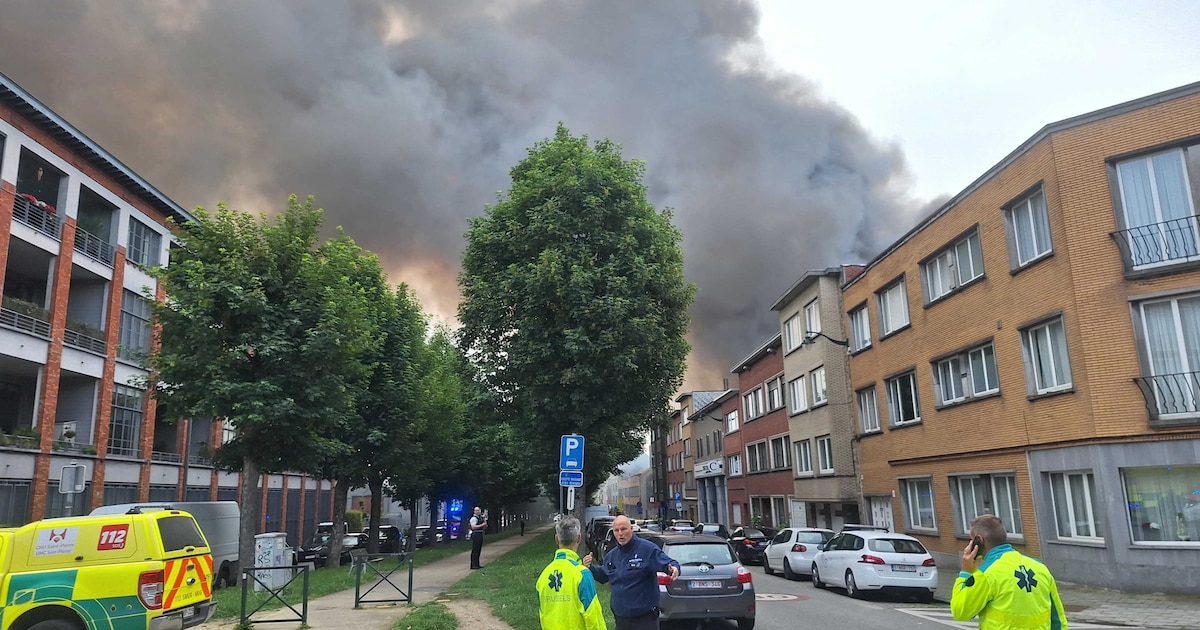
A significant fire broke out at a warehouse on Boulevard Maurice Herbette in Anderlecht, Brussels, on Saturday morning, June 6, 2026. The blaze, which began shortly before 7:00 a.m. in a single-story building located within a block interior, sent a thick plume of black smoke over the neighborhood, forcing emergency evacuations.
Emergency Response and Public Safety Measures
The Brussels Fire Department launched an intensive operation to combat the inferno, deploying five pumpers to the scene. The scale of the fire prompted authorities to trigger a municipal emergency phase to manage the crisis, according to reporting by Le Soir. Because of the potential toxicity of the smoke billowing from the site, officials issued an urgent directive for residents in the immediate vicinity to keep their doors and windows closed and to deactivate any ventilation systems.
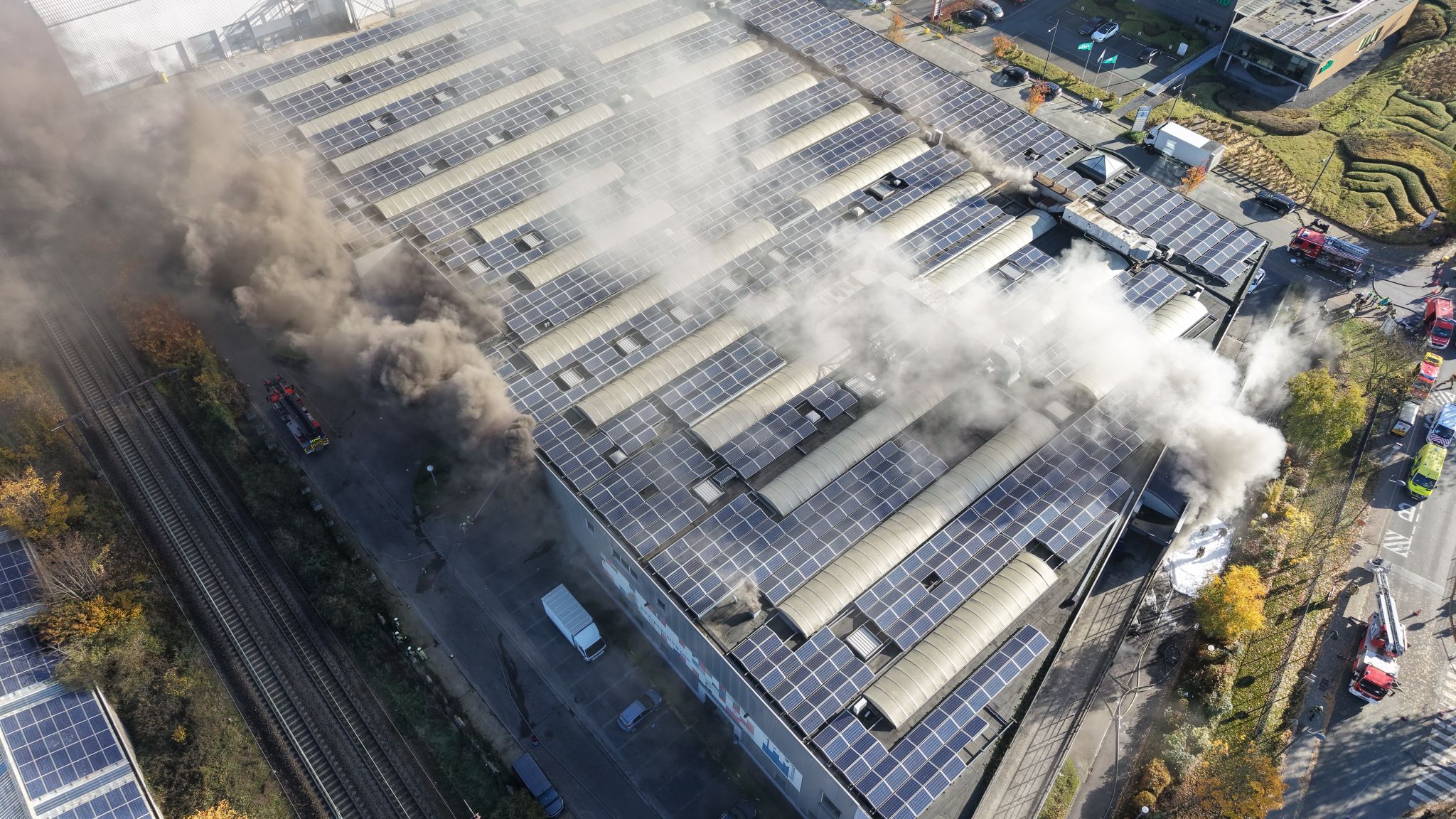
The severity of the incident led to the activation of a Be-Alert message, a system used to disseminate critical safety instructions directly to the public. As the fire progressed, fire department spokesperson Walter Derieuw confirmed the location of the blaze, noting that the warehouse was situated directly behind a local school, as noted by RTL Info. By 9:30 a.m., firefighters had successfully circumscribed the flames, bringing the situation under control.

The deployment of resources was significant due to the nature of the building’s construction and its contents. Walter Derieuw emphasized that the intervention required specialized techniques to manage the heat generated by the materials stored inside. The fire department’s rapid response prevented the fire from jumping to neighboring properties, which are densely packed in this section of Anderlecht. Throughout the morning, police established a security perimeter to ensure that emergency vehicles had unobstructed access to the site on Boulevard Maurice Herbette, while air quality monitoring was prioritized by the responding units to assess if the smoke posed immediate health risks to the wider urban area.
Displaced Residents and Facility Usage
The disruption extended to the local population, with approximately 50 residents forced to leave their homes due to the smoke and the proximity of the fire. These individuals were relocated to a temporary reception center operated by the Red Cross. The coordination of this relief effort was essential as authorities worked to clear the air quality risks in the Anderlecht area, La Libre.be reported.
While the building was described as an unoccupied warehouse in some initial reports, subsequent details revealed the complexity of the site’s usage. The structure, which featured a roof heavily equipped with photovoltaic panels, served as a shared storage space for 18 different businesses. Among the items stored inside were electric scooters and various vehicle batteries, which likely contributed to the intensity of the smoke, according to details provided by DHnet.
The presence of photovoltaic panels on the roof presented a specific tactical challenge for the firefighters. Such installations carry the risk of electrical shock and can complicate roof ventilation procedures. Furthermore, the storage of lithium-ion batteries associated with the electric scooters and vehicle parts necessitated a cautious approach to extinguishing the blaze, as these materials can undergo thermal runaway, requiring specialized cooling agents and prolonged monitoring to prevent reignition. The municipal authorities worked closely with the Red Cross to ensure that the 50 displaced residents were provided with necessary support and updates while the emergency services remained on-site to secure the perimeter.
Assessing the Aftermath and Structural Impact
With the fire now contained, the focus has shifted to the structural integrity of the warehouse and the long-term impact on the 18 businesses operating within the facility. The presence of lithium-ion batteries and other electronic components in a storage setting poses specific challenges for fire investigators tasked with determining the precise cause of the ignition.

For the residents of Boulevard Maurice Herbette, the immediate concern remains the environmental impact of the black smoke. While the emergency phase was initiated to ensure public health, the return to normal conditions will depend on the final assessment of air quality and the stabilization of the site. Local authorities have not yet provided a timeline for when displaced residents will be permitted to return to their homes, though the rapid containment of the fire by the Brussels Fire Department has been credited with preventing further damage to the surrounding residential blocks.
Investigations into the cause of the fire are currently ongoing. Forensic teams are expected to examine the debris to determine if the fire originated from an electrical fault within the warehouse or from the stored battery components. The 18 businesses affected by the incident face significant operational hurdles, as the building sustained heavy damage, particularly to the roof and the interior storage sections. Municipal officials have indicated that a structural engineer will be required to assess the integrity of the remaining walls before any recovery efforts can commence. Until such an assessment is completed, the site remains under the control of emergency services, and the surrounding area will continue to be monitored for any residual environmental hazards resulting from the combustion of the stored materials.