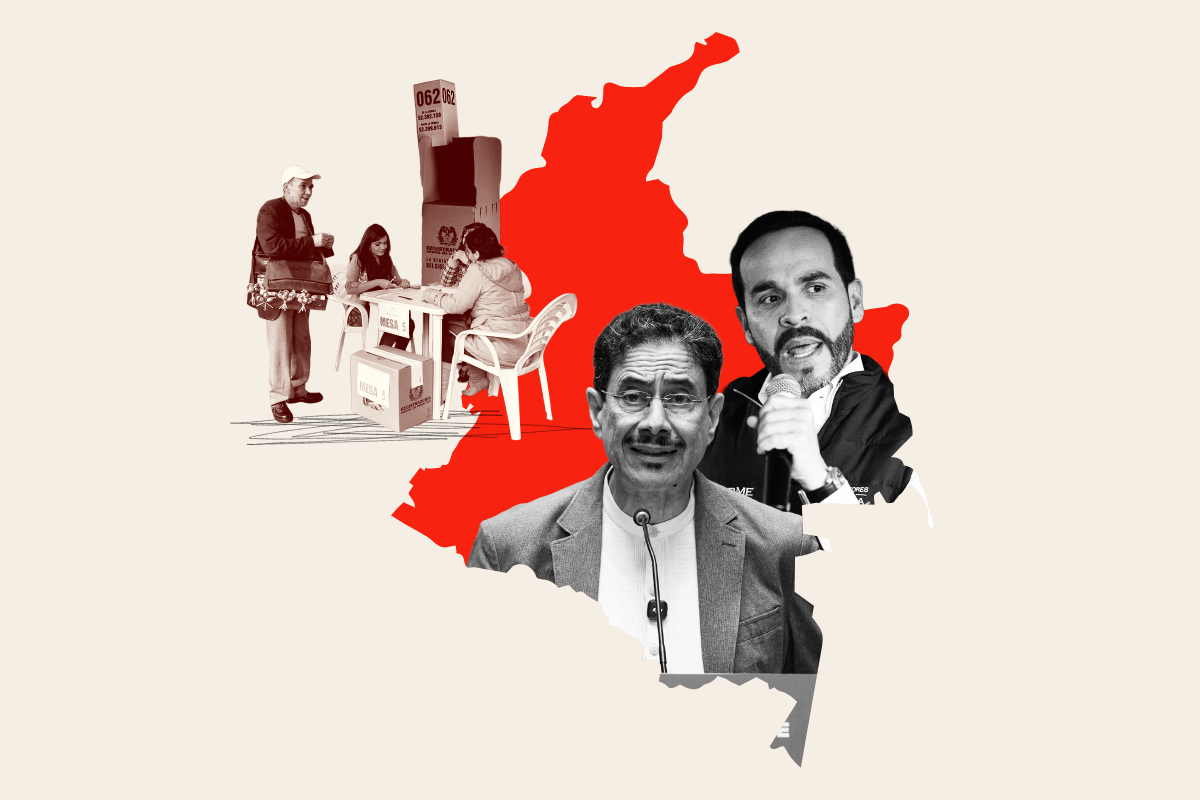
Colombia’s presidential election is heading to a runoff between far-right outsider Abelardo de la Espriella and leftist Senator Ivan Cepeda, with de la Espriella securing 43% of the vote and Cepeda trailing at 41% as 98% of ballots were counted, according to the National Electoral Council (CNE). The result marks a dramatic shift in Colombian politics, as de la Espriella’s rise from 1.1% in March 2025 to a leading position has upended traditional power structures, while outgoing President Gustavo Petro’s allies face a critical test of their influence.
De la Espriella’s Meteoric Rise and Cepeda’s Resilience
Abelardo de la Espriella’s campaign, modeled after populist leaders like U.S. President Donald Trump and El Salvador’s Nayib Bukele, has captivated voters with promises of a “zero tolerance” approach to crime and a hardline stance on migration. His 43% lead in the first round, as confirmed by the CNE, contrasts sharply with his 1.1% standing in the first round of the 2025 parliamentary elections. This surge has been fueled by his ability to channel voter frustration with established political elites, particularly as the ruling Pacto Histórico party, led by Petro, faces scrutiny over its peace policies and economic challenges.
Ivan Cepeda, Petro’s chosen successor, maintained a strong 41% share, reflecting the president’s enduring support among leftist voters. However, Cepeda’s challenge lies in bridging the gap with moderate and right-wing voters who may coalesce behind de la Espriella in the runoff. The runoff, scheduled for June 21, will test whether Cepeda can broaden his base or if de la Espriella’s hard-right platform will dominate the final outcome.
Cepeda, whose father, Senator Carlos Cepeda, was assassinated in 2018 amid allegations of state involvement, has framed his campaign as a continuation of Petro’s social reforms. His platform includes expanding healthcare access, investing in rural development, and strengthening labor rights. However, critics argue his proposals lack concrete economic solutions, leaving him vulnerable to de la Espriella’s more aggressive economic populism.
De la Espriella’s campaign has been marked by high-energy rallies, including the use of pyrotechnic displays to symbolize his “firebrand” image. Security officials have warned that such tactics could escalate tensions, particularly in regions already plagued by armed conflict. The CNE has urged both campaigns to maintain peace during the runoff period.
The Decline of Uribe’s Influence and the Rise of a New Political Order
The election results signal a significant erosion of former President Álvaro Uribe’s long-standing dominance over Colombian conservatism. Uribe’s endorsed candidate, right-wing Senator Paloma Valencia, secured just 7% of the vote, a stark contrast to her earlier status as a leading conservative contender. The CNE confirmed that Valencia’s poor showing has left her in a distant third place, undermining Uribe’s legacy as the architect of Colombia’s right-wing political movement.
Uribe’s refusal to endorse de la Espriella despite his overwhelming support highlights the fragmentation within Colombia’s conservative bloc. While Valencia represented the traditional uribista faction, de la Espriella’s rise has attracted disaffected voters who see him as a break from the status quo. Political analysts suggest this shift could redefine Colombia’s political landscape, with de la Espriella’s potential victory marking a departure from the post-2002 bipartisan consensus that shaped the country’s modern era.
Uribe, who has been a vocal critic of Petro’s government, has remained publicly silent on de la Espriella’s candidacy, though his allies in Congress have expressed cautious support. The CNE has noted that Uribe’s influence over the conservative vote has waned, particularly among younger voters who prioritize economic issues over his traditional security-focused policies.
Security Challenges and the Shadow of Violence
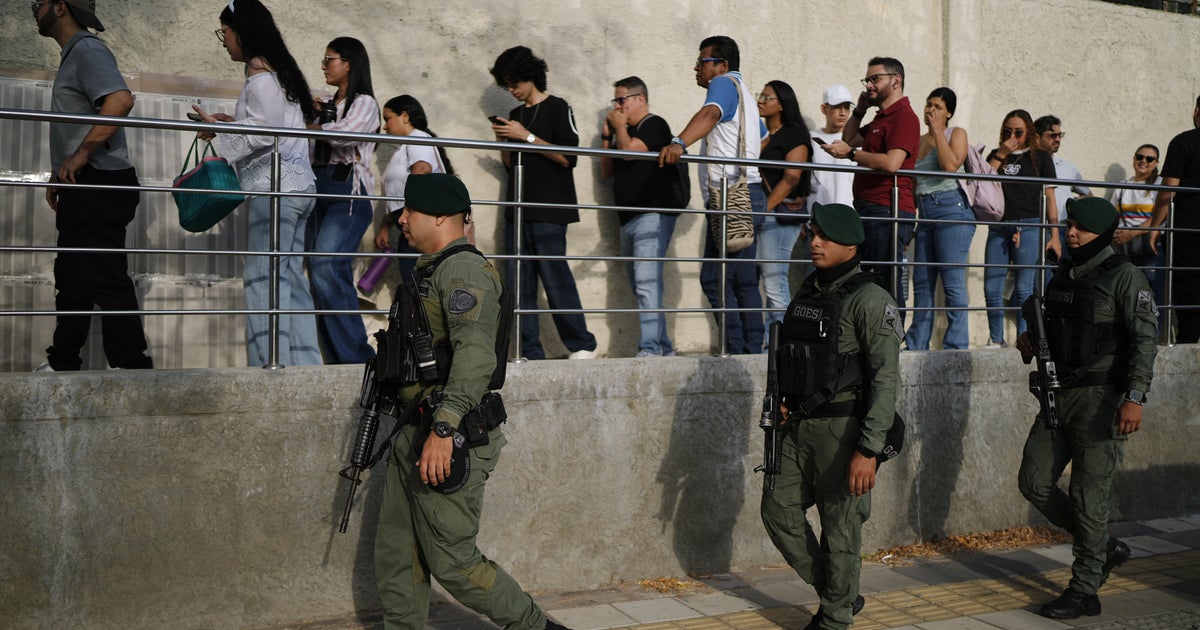
Security remains a central issue in the election, with Colombians grappling with rising violence and the proliferation of armed groups. The United Nations Office on Drugs and Crime (UNODC) reported in May that over 50 massacres were documented in the first four months of 2026, including clashes between dissident FARC factions and paramilitary groups that left around 50 people dead. These challenges have led to starkly different proposals from the top candidates:
- De la Espriella has promised a hardline approach, including the expansion of military operations in conflict zones and stricter penalties for armed groups. His campaign has also proposed a “zero tolerance” policy for drug trafficking, though critics argue this could escalate violence without addressing root causes.
- Cepeda advocates for social capitalism reforms, including increased investment in rural communities to reduce recruitment by armed groups. His platform also calls for a truth commission to address historical injustices linked to Colombia’s decades-long conflict.
The campaign itself has been marked by violence, including the assassination of a local political candidate in Cauca department on May 15 and the killing of dozens of community leaders in recent months. The National Police have attributed some attacks to residual guerrilla factions and criminal gangs seeking to influence the election.
Security concerns rank as the top priority for voters, according to a May survey by the Gallup Colombia, surpassing healthcare and economic stability. The CNE has deployed additional electoral observers to high-risk regions, including Norte de Santander and Arauca, where armed groups have threatened to disrupt voting.
Implications for U.S.-Colombia Relations
The election’s outcome could have significant repercussions for Colombia’s relationship with the United States, particularly regarding security cooperation and trade policies. The U.S. State Department has expressed concern over rising violence in Colombia, with a spokesperson stating that “the United States remains committed to supporting Colombia’s democratic process and will engage with the next administration to address shared challenges.”
De la Espriella’s potential victory could lead to a renewed focus on military aid, similar to the policies implemented during Uribe’s presidency. His campaign has praised U.S. support for Colombia’s security forces and suggested a return to closer military cooperation. In contrast, Cepeda has proposed a more critical approach to U.S. influence, advocating for greater sovereignty in foreign policy and a review of existing free trade agreements.
The U.S. Embassy in Bogotá has urged both candidates to uphold democratic norms and protect human rights. A diplomatic source told Reuters that “the United States will continue to support Colombia’s efforts to achieve lasting peace, but the nature of that support may evolve depending on the election’s outcome.”
Economic ties could also be affected, particularly if de la Espriella’s proposed tax reforms lead to reduced foreign investment. The Colombian Chamber of Commerce has warned that instability could deter multinational corporations, while Cepeda’s emphasis on social spending could lead to tensions with international creditors.
Stakeholder Reactions
Reactions to the runoff results have been mixed across Colombia’s political spectrum:
- Ivan Cepeda called the results a “mandate for change” and vowed to unite Colombians behind his vision for social justice. In a statement, he said, “The people have spoken, and now we must work together to build a Colombia that leaves no one behind.” His campaign has begun outreach to moderate voters, including former supporters of Paloma Valencia.
- Abelardo de la Espriella declared victory in the first round and accused Petro’s government of “failing the people.” He pledged to govern with “iron fist” policies, stating, “Colombia needs strong leadership, not weak compromises.” His campaign has intensified attacks on Cepeda’s economic record, though Cepeda has no prior executive experience.
- Former President Álvaro Uribe remained silent on de la Espriella’s candidacy but his allies in Congress have signaled support for a “strong state” approach, aligning with de la Espriella’s platform. Uribe’s son, Álvaro Uribe Vélez, tweeted that “Colombia deserves a government that puts security first.”
- Human rights groups, including the Colombian Commission of Jurists, have warned that de la Espriella’s rhetoric could embolden armed groups. A statement from the commission urged both candidates to prioritize dialogue over confrontation.
The runoff on June 21 will determine whether Colombia shifts further to the right or holds onto its progressive reforms. With security and economic stability at stake, the outcome could reshape the country’s trajectory for years to come.