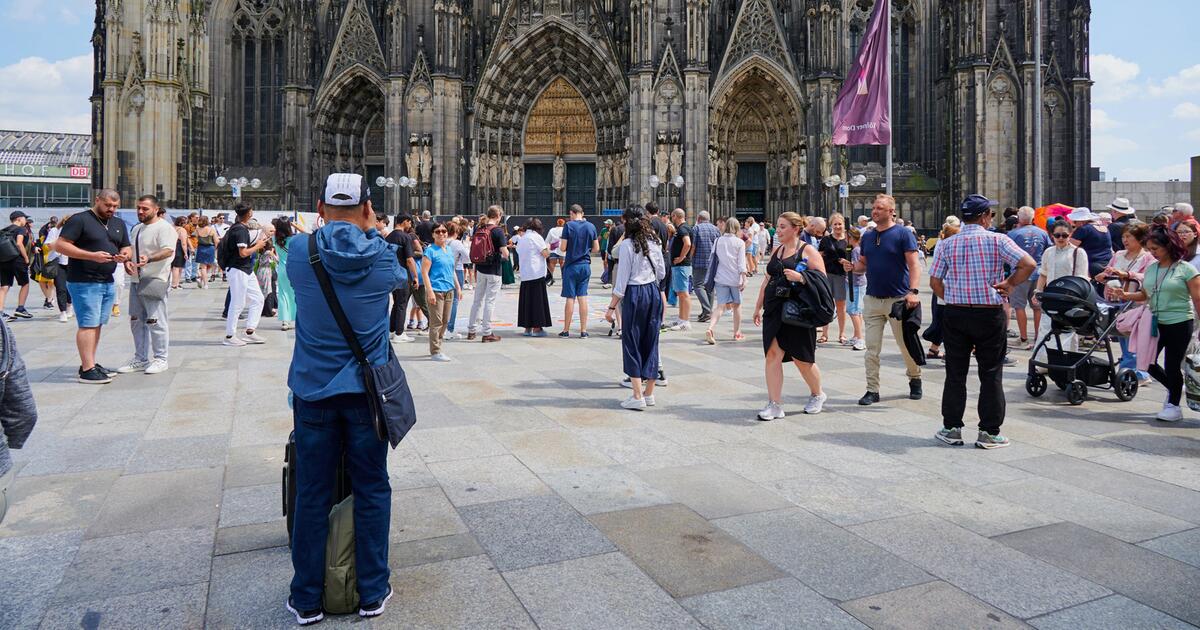
Starting July 1, 2026, the Kölner Dom will implement a 12-euro entry fee for tourists, ending centuries of free access to the landmark. Cathedral officials cited six consecutive years of financial deficits, emphasizing that the charge is necessary to fund the ongoing maintenance, protection, and operational costs of the historic site.
A Financial Pivot for a Global Landmark
cluster (priority): Kölner Stadt-Anzeiger
For generations, the interior of the Kölner Dom has been a sanctuary open to all without charge. That era concludes this summer as the cathedral leadership moves to stabilize its finances. According to reporting from T-Online, the decision follows a series of budgetary warnings from the cathedral chapter regarding the exhaustion of long-term reserves.
The fiscal reality behind the decision is stark. WEB.DE notes that the cathedral has operated at a loss since 2019, having previously relied on capital reserves that are now nearing depletion. Domrendant Clemens van de Ven provided a blunt assessment of the cathedral’s precarious position:
“Wir sind in die Situation gekommen, dass die Reserven des Kölner Doms auf absehbare Zeit aufgebraucht sind.”
Clemens van de Ven, Domrendant
The move aligns the Kölner Dom with other major European cathedrals that have long charged entry fees, such as the Sagrada Familia in Barcelona or St. Paul’s Cathedral in London. However, the decision has been met with mixed reactions, as the cathedral remains a central place of worship for millions.
Balancing Tourism and Worship
cluster (priority): WDR
To mitigate concerns that the fee might turn a house of God into a purely commercial museum, the cathedral chapter has carved out specific exemptions. As confirmed by the Kölner Stadt-Anzeiger, the church will maintain free access for those attending religious services. Furthermore, individuals seeking a space for personal prayer or those wishing to light a candle at the Schmuckmadonna will be able to access the Nordquerhaus via the North Portal, near the central train station, without a ticket.
Dompropst Monsignore Guido Assmann emphasized that maintaining the spiritual character of the space remained the primary priority during the planning process:
“Das Wichtigste ist: Der Kölner Dom bleibt ein Gotteshaus. Das Gebet, das Kerzen anzünden muss, der kurze Besuch, muss weiterhin möglich sein.”
Monsignore Guido Assmann, Dompropst
The cathedral has also committed to specific “free days” throughout the year, including the Feast of the Epiphany (January 6) and its following Sunday, May 1 (Labor Day), October 3 (Day of German Unity), and during the annual Three Kings Pilgrimage.
Exemptions and Public Feedback
Cologne Cathedral Bells – Full Peal Easter Sunday 2026 | Kölner Dom Vollgeläut I 4K 60fps
Following an initial announcement in March, the cathedral leadership engaged in what they described as an attentive monitoring of public discourse. The finalized policy reflects several concessions to public feedback, particularly regarding families and vulnerable groups. Children up to the age of 13 will be admitted for free, and this exemption now extends to the cathedral’s treasury and the tower climb—areas that previously required a paid ticket even for minors.
Additionally, the Express reports that people with disabilities and their accompanying persons will continue to enjoy free access. Reduced rates are available for students, apprentices, and holders of social passes like the “Kölnpass,” ensuring that the financial burden does not fall disproportionately on those with limited means.
Comparing the European Landscape
cluster (priority): WEB.DE
The debate over charging for access to religious heritage sites is not new. While the Kölner Dom is joining the ranks of sites that charge for entry, other cathedrals remain accessible without a fee. WDR highlights that the Petersdom in the Vatican remains free to all, though visitors often face long queues, with an optional paid service available for those wishing to bypass the wait. Similarly, Notre-Dame in Paris continues to offer free entry despite the massive costs associated with its post-2019 restoration.
For tourists planning their visit after July 1, the process will involve entering through the West Portal for standard sightseeing, while worshipers and those seeking quiet reflection will use the North Portal entrance. Cathedral officials have stated they will not police the intent of those entering through the North Portal, banking on the integrity of visitors to respect the distinction between sightseeing and prayer.