"Moody’s downgraded Mexico’s sovereign credit rating to Baa3, the lowest investment-grade level, and simultaneously cut the ratings of the Comisión Federal de Electricidad (CFE) and eight financial institutions, citing fiscal deterioration and economic vulnerabilities. The move comes amid heightened scrutiny of Mexico’s fiscal policies and its reliance on state-backed entities like Pemex, which Moody’s noted continues to limit fiscal consolidation."
Downgrade of Sovereign and Institutional Credit Profiles
Moody’s decision to lower Mexico’s sovereign rating from Baa2 to Baa3 marks the first time the country has fallen to the "last rung" of investment-grade ratings, a shift that directly impacted the CFE, Bancomext, Nafin, IPAB, and five major banks including BBVA México, Banorte, and Santander. The agency attributed the downgrade to "a more gradual deterioration of fiscal strength" and "the continued support for Pemex, which will limit fiscal consolidation." This follows a broader trend of global credit downgrades, with Moody’s highlighting that Mexico’s fiscal vulnerabilities now align with "its Baa-rated peers," though its "fiscal position has weakened relative to these peers."
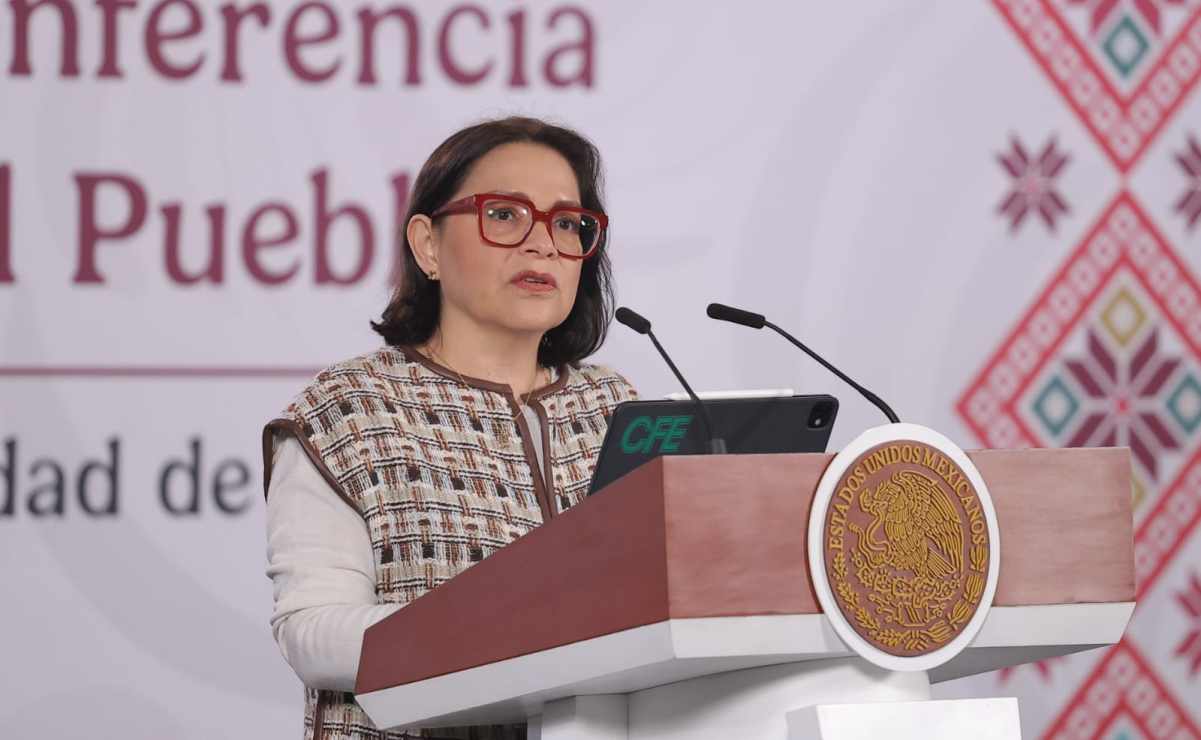
The CFE’s rating was reduced to Baa3 from Baa2, a change Moody’s linked to the government’s own downgrade. "The confirmation of the base credit assessment (BCA) at Baa3 reflects our view of CFE’s intrinsic creditworthiness in the absence of extraordinary federal support," the agency stated. The decision underscored the deep institutional ties between CFE and the Mexican government, with Moody’s noting that the CFE’s "very high dependence on the Mexican government" and exposure to natural gas price volatility and currency risk "remain significant constraints."
The downgrade has sparked debates over Mexico’s fiscal strategy, particularly its reliance on state-owned enterprises. El Economista reported that Moody’s emphasized "the weak economic growth" as a key factor, arguing that "the government’s ability to generate revenue is reduced while facing a more rigid budget, with the financial support for Pemex remaining a key constraint." This aligns with earlier analyses in El Financiero, which noted that Mexico’s fiscal challenges "are compounded by the sovereign’s continued support for Pemex, which has weakened fiscal anchors."
Impact on Financial Entities and Infrastructure Stability
The implications of the downgrade extend beyond public institutions. La Jornada highlighted that Moody’s also reduced the ratings of eight financial entities, including Bancomext and Nafin, citing "a deterioration in the investment-grade rating of Mexico" as a primary factor. The agency stressed that the "stability of Mexico’s macroeconomic framework, policy responsiveness, and underlying economic strength" would partially offset the downgrade, but warned that the country "faces heightened fiscal vulnerability."

For the CFE, the downgrade raises questions about its ability to finance infrastructure projects and maintain energy stability. El Universal noted that the CFE, under CEO Emilia Calleja Alor, is prioritizing "a no-power-cut strategy" during the World Cup, including leveraging assets acquired from Iberdrola in 2024. However, Moody’s analysis suggests that the CFE’s "liquidity is adequate, and its diversified funding base has improved," but its "high exposure to natural gas price volatility and currency risk" remains a concern.
The move also reflects broader global trends in credit ratings. El Financiero pointed to U.S. President Donald Trump’s recent "decrees to "restore the integrity of the U.S. financial system," which could reduce remittance flows by 10-20%—a blow to Mexico’s economy. "This could reduce GDP growth by 0.5-1 percentage points, further straining fiscal consolidation," the publication noted. Moody’s itself acknowledged that "the moderate decline in the fiscal deficit" in 2025, which fell to 4.8% of GDP from 5.7% in 2024, "was partially offset by Pemex’s financial challenges."
Fiscal Reform Pressures and Investor Risk
Looking ahead, the downgrade may pressure Mexico to accelerate fiscal reforms. El Economista cited Moody’s projection that "Mexico’s fiscal position will weaken relative to its Baa peers," with "increased vulnerability to fiscal shocks." The agency also warned that "the government’s focus on energy sovereignty and a redistributive spending model has weakened fiscal anchors," a critique echoed in El Financiero‘s analysis of "creative accounting" by Pemex and other state entities.

For investors, the downgrade signals heightened risk. La Jornada reported that Moody’s emphasized "the need for a more disciplined fiscal approach" to stabilize the country’s credit profile. Meanwhile, the CFE’s ability to navigate its "very high dependence on the Mexican government" will be critical in maintaining its operations and meeting energy demands.
As Mexico prepares for the 2027 elections, the fiscal pressures highlighted by Moody’s could shape policy debates. The agency’s "stable" outlook suggests that a further downgrade is unlikely in the near term, but the "moderate decline in the fiscal deficit" and "continued support for Pemex" remain key uncertainties. For now, the downgrade underscores the delicate balance between economic growth, fiscal discipline, and the role of state-owned enterprises in Mexico’s development trajectory.
Strategic Recalibration of Economic Policy
"La confirmación de la evaluación crediticia base en ba3 refleja nuestra opinión sobre la fortaleza crediticia intrínseca de CFE, en ausencia de apoyo extraordinario del gobierno federal de México," stated Moody’s in its analysis of the CFE’s downgrade.
Moody’s downgrade of Mexico’s sovereign rating and its associated institutions highlights a pivotal moment in the country’s economic strategy. The move, driven by fiscal vulnerabilities and institutional dependencies, signals a need for recalibration in Mexico’s approach to public spending and energy policy. As the government navigates these challenges, the implications for both domestic stability and international investor confidence will be closely watched.
"El apoyo continuo a Pemex seguirá limitando la consolidación fiscal," Moody’s warned, a sentiment echoed across multiple sources. The agency’s analysis underscores that while Mexico’s macroeconomic framework remains resilient, the "degradation of its fiscal profile" poses significant risks.
The CFE’s downgrade, tied directly to the government’s rating, reflects the interconnected nature of Mexico’s economic institutions. "La rebaja de la calificación de CFE a Baa3 sigue la rebaja de la calificación del Gobierno de México, como su proveedor de apoyo," Moody’s explained, emphasizing the "very high dependence" of the CFE on federal support.
For Mexico, the path forward involves balancing energy sovereignty with fiscal responsibility. "A pesar de los esfuerzos por reducir el déficit fiscal, otras prioridades de política como la soberanía energética y un modelo de gasto redistributivo han debilitado las anclas de la política fiscal," the agency noted.