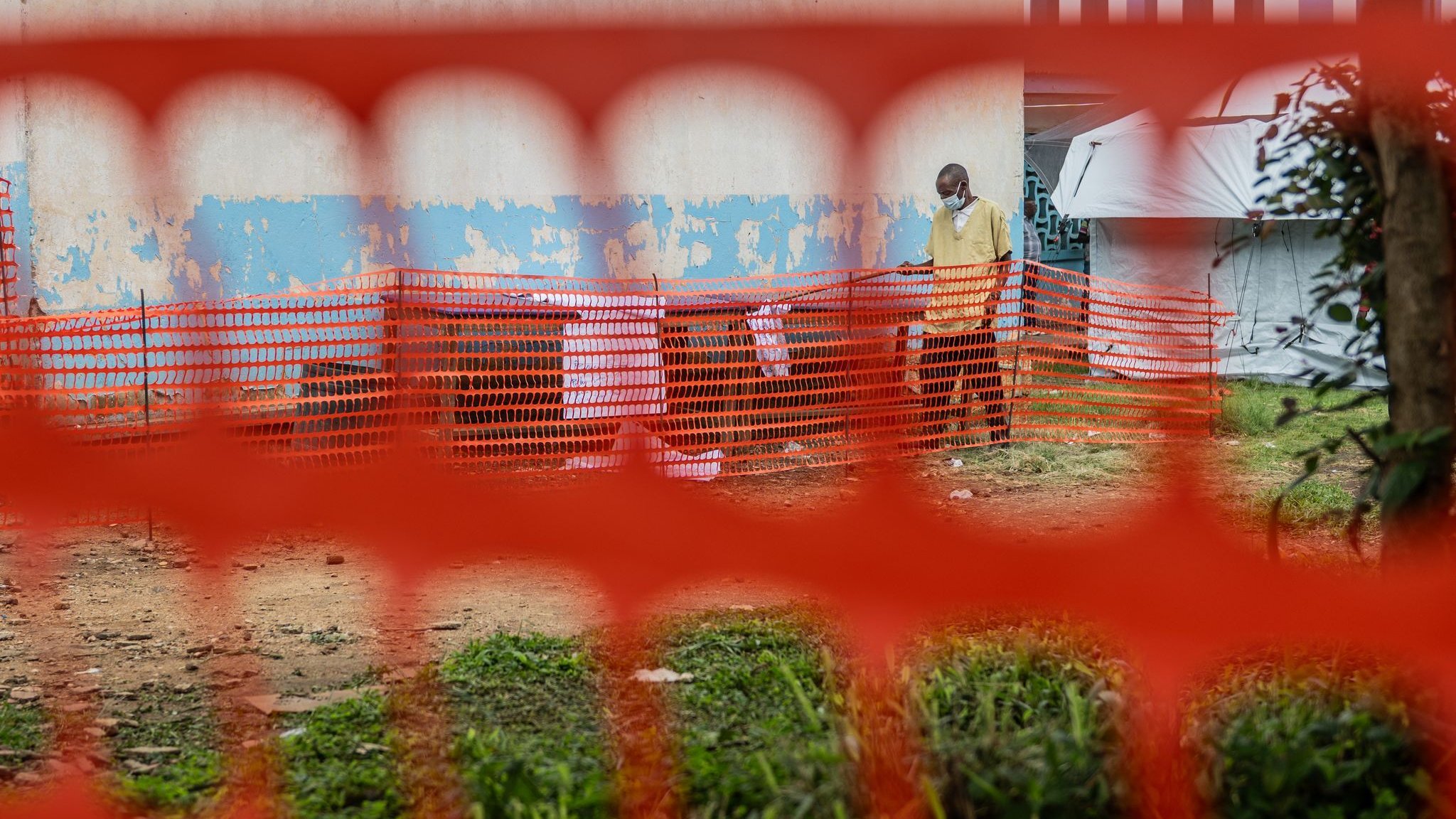
As of May 22, 2026, the World Health Organization has reported 750 suspected cases and 177 deaths linked to an Ebola outbreak in the Democratic Republic of the Congo. The epidemic, centered in the Ituri province, marks the 17th time the virus has emerged in the country since 1976, complicating regional health logistics.
A Mounting Crisis in Ituri Province
The current outbreak is primarily affecting the northeastern province of Ituri, a region bordering Uganda and South Sudan. According to data released by the World Health Organization (WHO), the situation has escalated rapidly, with 82 infections and seven deaths confirmed through laboratory testing. However, health officials caution that these figures likely represent only a fraction of the true impact, as many cases remain unregistered in remote, impoverished, and conflict-ridden areas.

The virus identified in this outbreak is the Bundibugyo variant (BDBV). While this strain is known to be dangerous to humans, it is distinct from the more commonly studied Zaire-Ebolavirus (EBOV). The emergence of this specific variant has created a significant hurdle for medical responders, as existing vaccines are primarily tailored to the Zaire strain.
The Absence of Targeted Vaccines
The lack of a readily available, human-tested vaccine for the Bundibugyo variant has left health experts scrambling. The Robert Koch-Institut (RKI) notes that while three vaccines for the Zaire-Ebolavirus are currently listed by the Paul-Ehrlich-Institut (PEI), none are approved for the current BDBV strain.
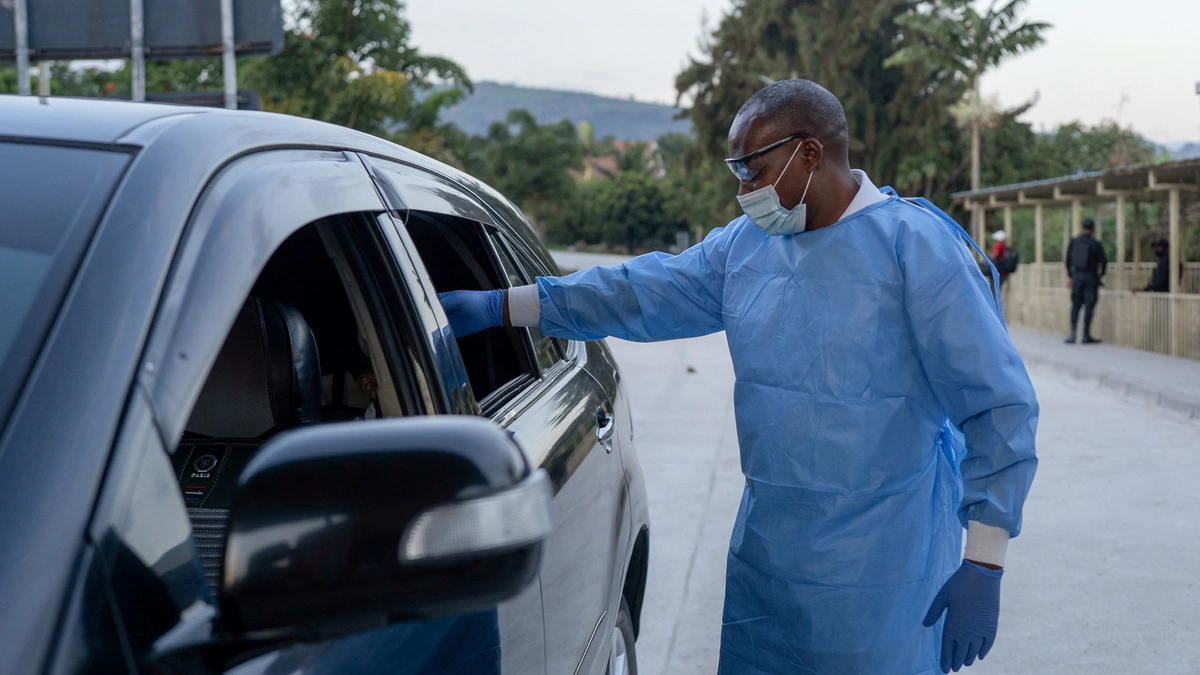
According to César Muñoz-Fontela of the Bernhard-Nocht-Institut for Tropical Medicine, all vaccine candidates targeting the Bundibugyo virus remain in the preclinical stage. There is no existing reservoir of doses, and even if production were to begin immediately, experts estimate that manufacturing sufficient quantities would require weeks or months. Marylyn Martina Addo of the University Medical Center Hamburg-Eppendorf (UKE) emphasized that the international community missed an opportunity to prepare for such an event, noting that had financial resources been prioritized for testing against all dangerous Ebola species following the 2014–2015 West Africa epidemic, the current response would be significantly more robust.
Logistical Hurdles and Civil Unrest
Beyond the medical challenges, responders are struggling with the sheer scale of the region and persistent security issues. The Democratic Republic of the Congo, a nation nearly seven times the size of Germany, faces extreme logistical limitations. Maximilian Gertler, an epidemiologist with the Charité in Berlin and Médecins Sans Frontières (MSF), described the day-to-day reality for medical teams on the ground:
For more on this story, see Congo’s Ebola epicenter hospitals overwhelmed by surge in cases.
“Man muss alles selbst organisieren, auch den Diesel für die Generatoren. Dafür haben wir Notfalllager in verschiedenen Orten der Region, in Kinshasa, in Kisangani und anderen Orten.” Maximilian Gertler, Epidemiologist
Efforts to contain the virus are further hampered by social friction. Recent reports indicate that demonstrators have set fire to Ebola treatment tents, an escalation triggered by disputes regarding the burial of a local soccer player who was a suspected victim of the disease. This climate of distrust and violence forces medical teams to navigate a landscape where community cooperation is as necessary as medical supplies.
International Monitoring and Future Risks
While the outbreak is concentrated in the Congo, international health authorities are monitoring the situation closely. Uganda has reported two confirmed cases, but so far, no widespread transmission has been confirmed across its border. In Berlin, medical staff are treating a US physician who was diagnosed with the Bundibugyo-Ebolavirus via PCR test. While the patient is being closely monitored, hospital officials reported that the individual currently does not require intensive care or organ replacement procedures.

The operational framework for global health surveillance has been activated to address the specific characteristics of the Bundibugyo variant. Because this strain lacks the specific counter-measures developed for the Zaire variant, the WHO has moved to categorize the situation as a primary concern for international medical coordination. The logistical burden of transporting diagnostic equipment and personal protective gear into the Ituri province is compounded by the lack of road infrastructure and the intermittent nature of regional electricity, which necessitates the reliance on independent, generator-powered setups as described by field epidemiologists.
Public health experts continue to emphasize that the containment strategy must integrate local community engagement to mitigate the violence directed at treatment centers. The incident involving the burial of the local soccer player highlights a critical gap in communication between health authorities and the populace, where traditional burial practices often clash with the strict infection-control protocols required to stop the spread of the virus. Without a bridge between these cultural practices and public health mandates, the risk of community-led interference with medical facilities remains high, potentially threatening the safety of frontline health workers.
As the situation evolves, the focus remains on establishing isolation and treatment capacity in the most affected provinces. The path forward remains precarious; experts warn that without immediate investment in vaccines and localized medical infrastructure, the window to prevent a larger-scale crisis may close. For now, the fight continues in a race against time, complicated by the very geography and social instability that the virus exploits.