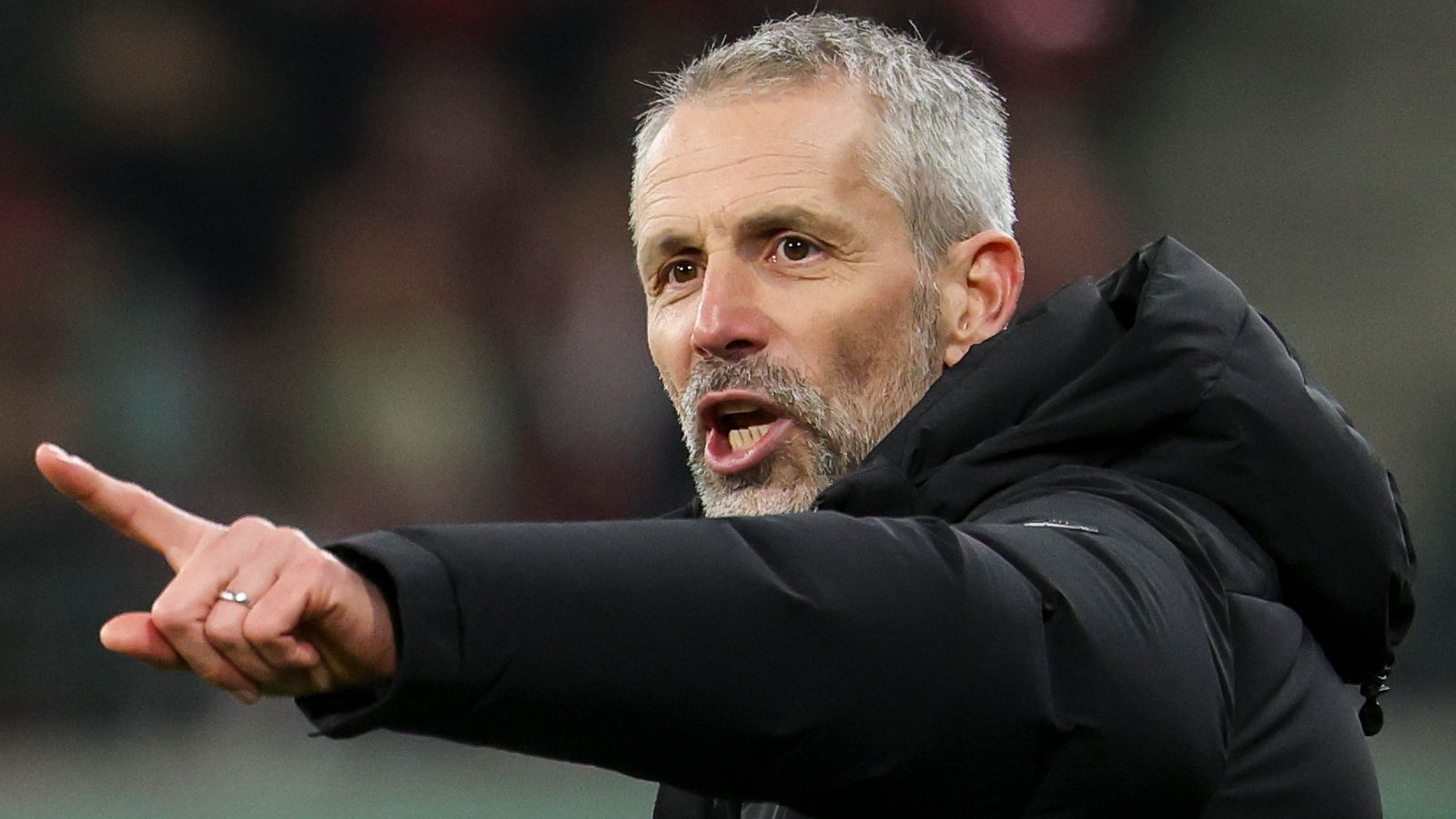
Bournemouth have appointed Marco Rose as their new head coach, securing a three-year deal that will grab effect in the summer following Andoni Iraola’s departure at the end of the current season.
The appointment resolves weeks of speculation after Iraola confirmed his intention to depart when his contract expires, ending a three-year tenure marked by sustained progress and a club-record 13-game unbeaten run in the Premier League. Rose, 49, was identified as the club’s primary target due to the alignment of his coaching philosophy with Iraola’s own tactical preferences, particularly his admiration for Rose’s work at Borussia Mönchengladbach.
Iraola had previously cited Rose’s Gladbach side as one of his favourite teams to watch, praising the German coach’s emphasis on fluid, all-action football where every player contributes defensively and offensively. That philosophical continuity was a decisive factor in the club’s decision-making process, with Sky Sports’ Adam Bate noting the appointment reflects more than mere admiration — it reflects a shared vision of how the game should be played.
Rose brings extensive experience from the Bundesliga, having led Borussia Dortmund, Borussia Mönchengladbach, and RB Leipzig, with stints in the Champions League and Europa League. His time at Mönchengladbach included a notable Champions League qualification achieved with limited financial resources — a profile that resonates with Bournemouth’s own model of competitive performance despite structural constraints.
The club’s recent history of losing key players to wealthier clubs has shaped its recruitment strategy. Over the past year, Bournemouth saw three of their four first-choice defenders depart for Liverpool, Paris Saint-Germain, and Real Madrid, collectively generating nearly £150 million (approximately €175 million). Despite these losses, each departure was offset by successful internal promotions or signings, reinforcing confidence in the club’s ability to maintain performance through smart recruitment.
Rose’s appointment is considered low-risk from a financial standpoint, as he is currently unattached following his dismissal by RB Leipzig in March 2025, meaning no compensation fee is required. Yet, the club expects an immediate impact, hoping he can replicate the pattern of successful transitions seen with previous player replacements and push for a first-ever European qualification.
Meanwhile, Iraola’s future remains uncertain, though his strong ties to Athletic Club — where he made over 500 appearances between 2003 and 2015 — have positioned the Basque club as a likely destination. His desire to return to Spain, influenced by family considerations and admiration for former Athletic coach Ernesto Valverde, who is similarly departing this summer, adds emotional weight to the potential move.
Interest from other Spanish clubs, including Real Madrid, has been speculated, though Iraola’s immediate focus appears to be on a return to the Basque Country, where he developed much of his footballing identity under Marcelo Bielsa’s influence. Whether he pursues a coaching role in La Liga or elsewhere will be one of the summer’s most closely watched storylines.
Why did Bournemouth choose Marco Rose over other candidates?
Bournemouth selected Rose primarily because of the tactical alignment between his coaching style and Iraola’s own preferences, particularly his admiration for Rose’s work at Borussia Mönchengladbach, which emphasized fluid, all-action football.
What is Andoni Iraola’s likely next destination?
Iraola is strongly linked with a return to Athletic Club, where he played over 500 times and developed his footballing principles, driven by family ties and admiration for the club’s recent managerial departure.
Can Marco Rose help Bournemouth qualify for Europe for the first time?
Rose’s experience in European competitions, including Champions League qualification with limited resources at Mönchengladbach, suggests he has the profile to help Bournemouth pursue their first-ever European qualification, though success will depend on squad retention and recruitment.