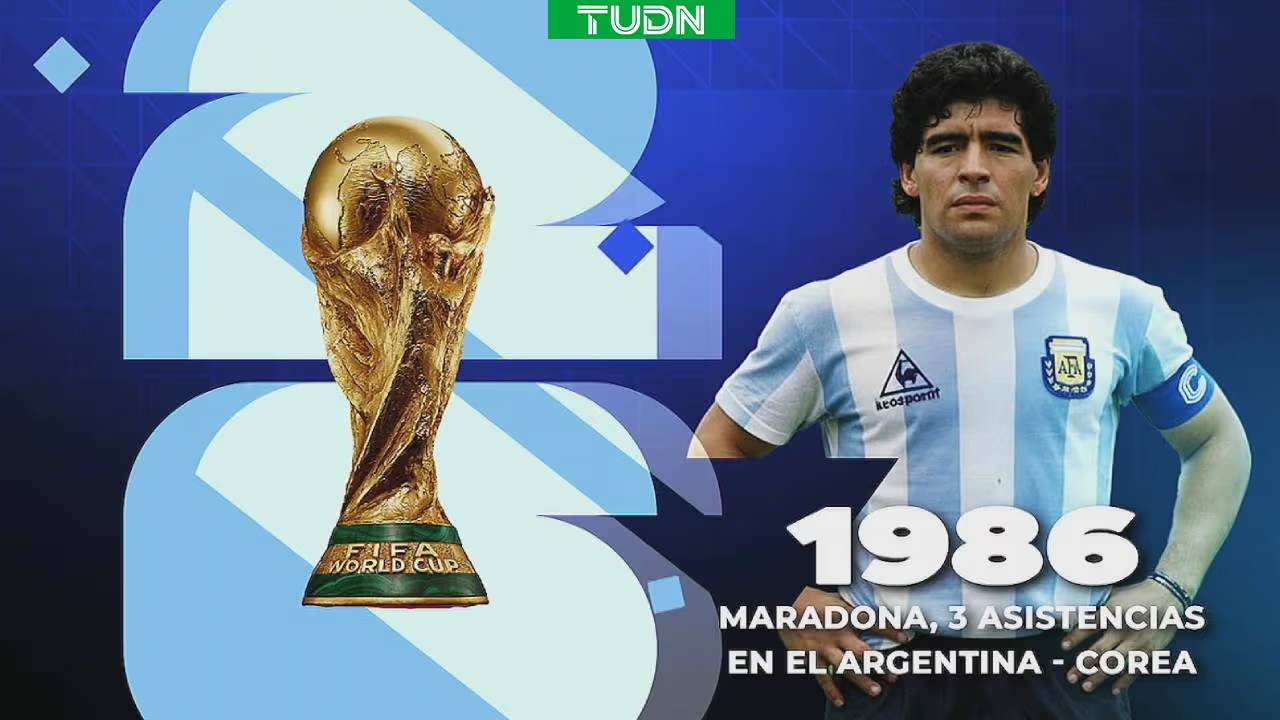
On June 2, 1986, Argentina stunned South Korea 3-1 in their World Cup debut in Mexico City, with Diego Maradona orchestrating a masterclass that cemented his legend. The victory wasn’t just about the score—it was about the way Maradona, despite being battered by defenders, delivered three game-changing assists, a feat no player has matched in World Cup history.
Maradona’s Unmatched Vision: Three Assists in One Game
The opening match of Mexico ’86 was a statement of intent. Argentina, still recovering from the trauma of the Falklands War just four years earlier, needed a win to silence doubters. They got more than that. Maradona, playing through physical punishment that would have felled lesser men, delivered a performance so dominant it redefined what was possible in a single World Cup game. According to TUDN’s detailed breakdown, his three assists came in rapid succession: a header from Jorge Valdano, a free-kick set-up for Oscar Ruggeri’s header, and a final cross for Valdano’s second goal. No player before or since has matched this level of creative dominance in a single World Cup match. What made this achievement even more extraordinary was the context. South Korea, though not yet the global power they would become, were a formidable opponent in 1986. Their 1986 squad included players like Cha Bum-kun, who would later become Asia’s first true superstar. But against Argentina, it was Maradona who dictated the tempo. His ability to see passes before they existed—even when his body was being marked by two or three defenders—was a preview of the genius that would soon make him the face of the tournament.The Stage: Mexico ’86 and the Birth of a New Era
Mexico in 1986 was a country on the cusp of change. The World Cup was more than just football—it was a cultural moment. The tournament coincided with a period of economic liberalization under President Miguel de la Madrid, and the stadiums in Mexico City, Guadalajara, and Monterrey became symbols of a nation opening up to the world. The opening match in Ciudad Universitaria, where Argentina played South Korea, was a microcosm of this transformation. The stadium, built for the 1968 Olympics, was repurposed for the World Cup, its concrete and steel a stark contrast to the vibrant energy of the fans.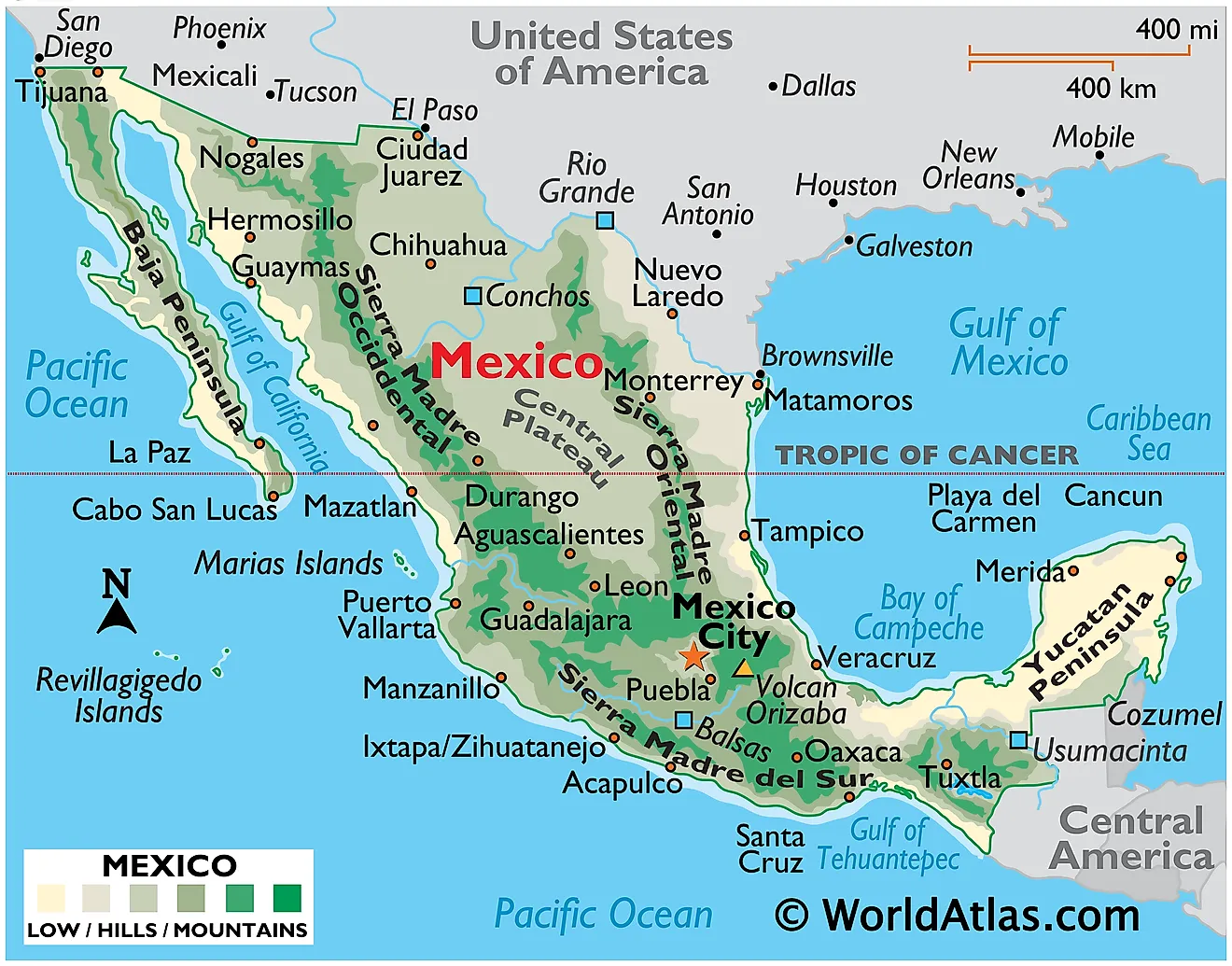
Beyond the Score: What This Win Meant for Argentina
Argentina’s 3-1 victory wasn’t just about the points. It was a psychological reset. The team had entered the tournament as underdogs, haunted by their early exit in Spain in 1982. But in Mexico, they found their rhythm. Maradona’s performance was the catalyst, but the team’s defensive solidity—led by captain Daniel Passarella—was equally crucial. The win against South Korea set the tone for what would become one of the most dramatic World Cup campaigns in history.The Legacy: Why This Match Still Matters 40 Years Later
As of June 1, 2026, Maradona’s three-assist game remains the only instance in World Cup history where a single player has delivered a hat-trick of assists in a match. The feat is even more remarkable when you consider the physical toll it took on him. South Korea’s defenders were relentless, and Maradona was left bruised and exhausted by the final whistle. Yet, his ability to rise above the physicality and dictate the game from deep was a masterclass in footballing intelligence.