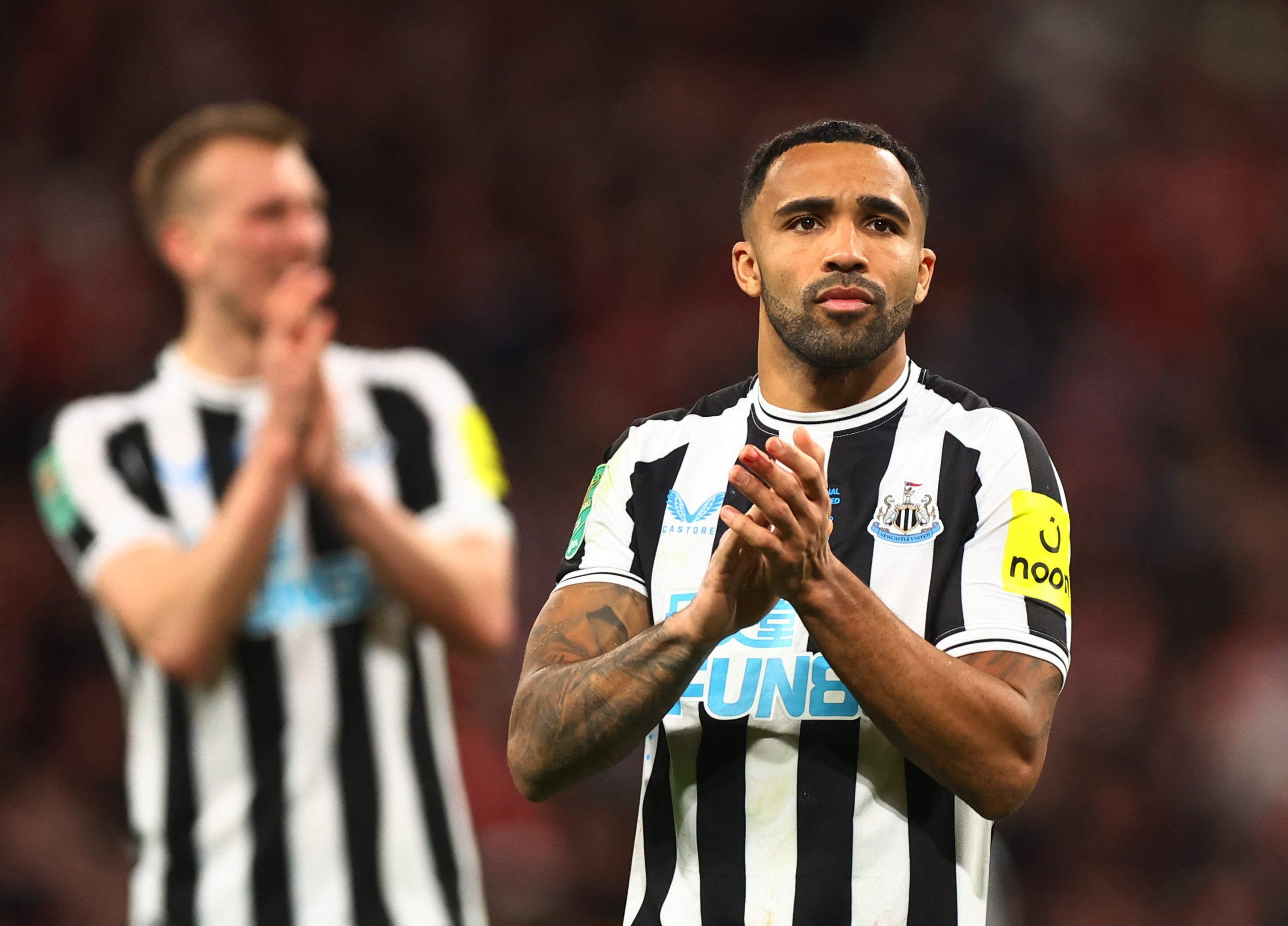
Newcastle United have lost eight of their past 11 Premier League matches and sit 14th in the table with a month of the season remaining, a stark reversal from their Carabao Cup triumph and Champions League push just twelve months ago.
The collapse in form has exposed familiar weaknesses: Newcastle struggle to build on goals and are leaky at the back, a dangerous combination that has seen them throw away more points from winning positions (25) than any other top-flight team this season. Defender Dan Burn’s description of the side as once “bullying teams” now feels like a relic, with recent defeats to Bournemouth and Crystal Palace highlighting a loss of edge despite increased recovery time for head coach Eddie Howe.
Howe acknowledged the issue directly on Friday, stating the team must find ways to get players to respond better, admitting they have lost a little of their experience and know-how, and that their hallmark ability to duel effectively has deserted them. The predictability of their system, substitutions, and late-game drop-off has turn into a growing concern, undermining the resilience that once defined their performances after bruising defeats.
Off the pitch, uncertainty lingers over ownership engagement, with the Saudi Arabian Public Investment Fund (PIF) pulling back from LIV Golf and selling its stake in Al Hilal raising doubts among fans and observers, even as club officials insist the guidance remains consistent and that Newcastle are viewed as a long-term investment. Senior figures have previously questioned the pace of infrastructure projects, including the stadium and training ground developments, feeding perceptions of stalled progress despite PIF’s denial of absenteeism.
Despite the pressure, there is no indication of an imminent managerial change. Chris Waugh reported that the hierarchy will not act rashly, with Howe focused on stabilizing performances and planning for the summer. Contingency plans for an interim role remain hypothetical, though Graeme Jones and Jason Tindall are noted as possible options, with any decision likely to follow a broader seasonal review.
Howe’s tactical rigidity is worsening Newcastle’s late-game fragility
The head coach’s reliance on a fixed system and predictable substitution patterns has stripped away the adaptability that once allowed Newcastle to overturn deficits. Opponents now anticipate the drop-off, exploiting spaces left by tired players and rigid formations. This predictability contrasts sharply with the team’s earlier reputation for grinding out results through tactical flexibility and individual battles won across the pitch.
Ownership signals are being misread despite consistent messaging
While PIF’s reduced visibility and recent divestments in golf and football have fueled speculation about waning commitment, internal sources maintain the fund’s stance has not changed. The frustration over slow-moving infrastructure projects is real, but officials argue it reflects long-term planning rather than disengagement, a distinction lost on fans comparing the club’s current trajectory to its recent high.
The squad’s psychological edge has eroded alongside its results
Newcastle’s identity was built on imposing physical and mental dominance, wearing down opponents through relentless pressure and resilience in adversity. That psychological ascendancy has faded, leaving a side that struggles to impose itself even when leading and lacks the mechanisms to recover from setbacks — a shift Howe admits requires rebuilding both experience and collective know-how.
Is Eddie Howe in immediate danger of being sacked?
No, there is no indication of an imminent change, with the club hierarchy stating they will not act rashly and Howe focused on turning things around.
What are the main reasons for Newcastle’s decline in form?
A combination of tactical predictability, defensive fragility, inability to build on goals, and a loss of the psychological edge that once defined their performances under Howe.
How is ownership uncertainty affecting the club?
While PIF’s reduced public presence and recent asset sales have raised doubts, internal sources insist the commitment remains unchanged, attributing fan frustration to the pace of infrastructure projects rather than disengagement.