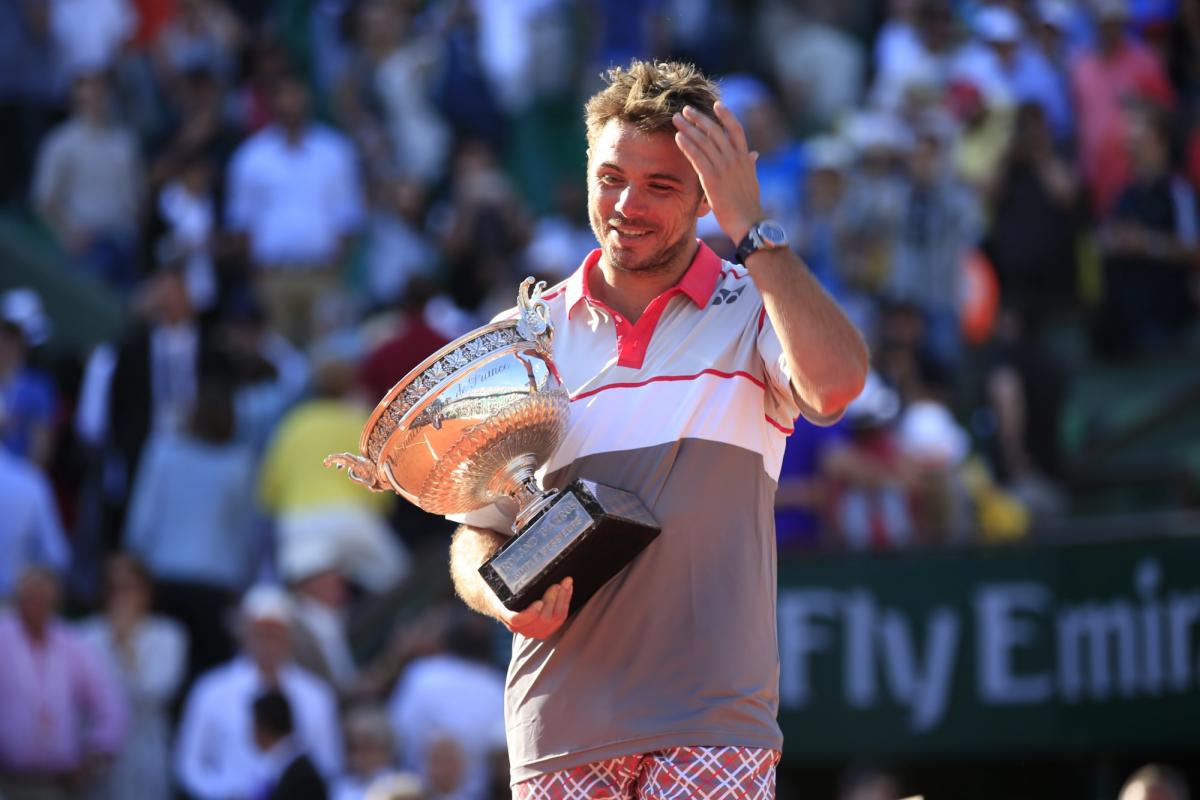
Stan Wawrinka, the three-time Grand Slam champion, officially bid farewell to Roland-Garros on Monday, May 25, 2026, following his first-round defeat to Jesper de Jong. The 6-3, 3-6, 6-3, 6-4 loss marked the final appearance at the Paris clay-court tournament for the Swiss veteran, who leaves behind a legacy defined by resilience and technical mastery.
A Final Bow on the Court of Dreams
The atmosphere at the Court Simonne-Mathieu was thick with emotion as the match concluded. For Wawrinka, a player whose career has been defined by his ability to overcome physical setbacks and intense competition, the exit provided a moment of reflection. Despite the loss to De Jong, the focus for the crowd and the player remained on the significance of the occasion. As reported by Roland-Garros 2026, Wawrinka addressed the spectators directly, expressing a deep gratitude for the venue that had nurtured his ambitions.
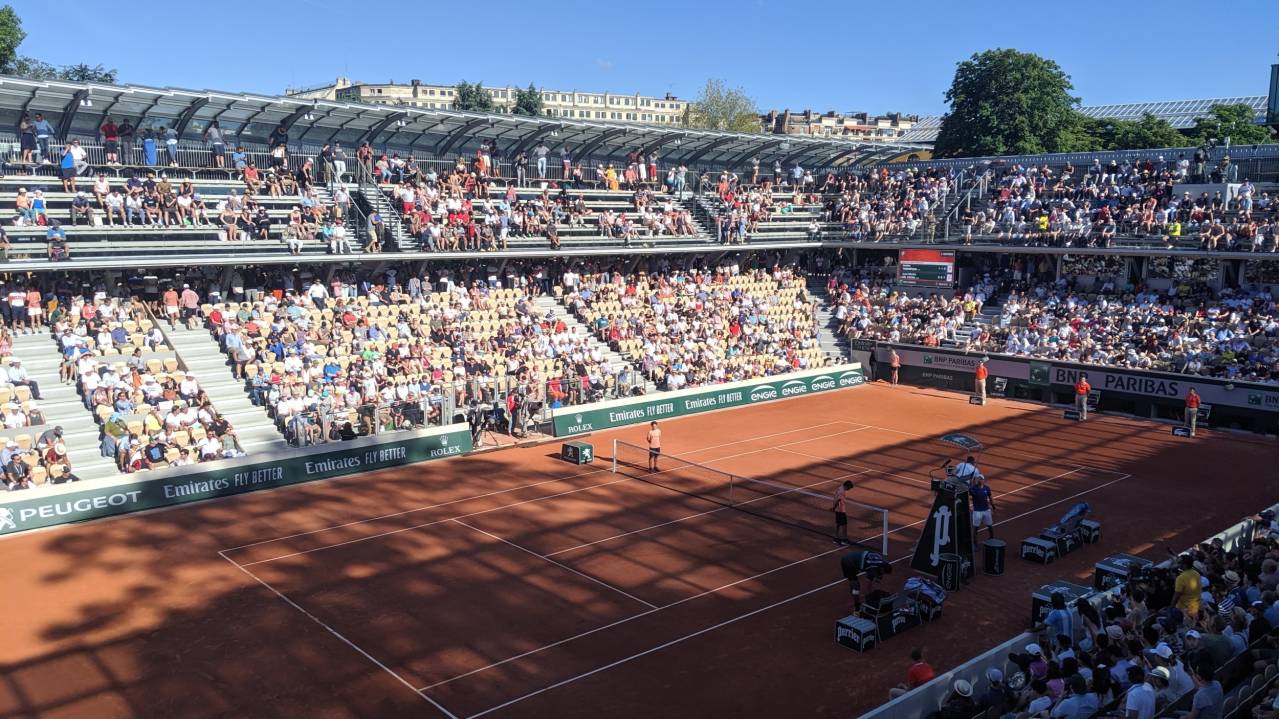
“I don’t want to say goodbye. Thank you for allowing me to experience such emotions. It is thanks to tournaments like Roland-Garros that I dreamed, that I wanted to be a tennis player. My goal was to be able to participate once. Thank you for making dreams possible. You never want to say goodbye when you are passionate about something, when you are living your dream. I know it was the end […] I would have dreamed of being able to play here again but unfortunately it was my last match at Roland-Garros so thank you very much!” Stan Wawrinka, via Roland-Garros 2026
The Philosophy of Resilience
Wawrinka’s longevity in the sport has not been without hardship. Repeated injuries hampered his later seasons, yet he consistently returned to the circuit. His approach to the sport—and to the inevitable failures that accompany an elite athletic career—is famously encapsulated in a quote from Irish writer Samuel Beckett, which he has tattooed on his left forearm. The mantra, “Ever tried. Ever failed. No matter. Try again. Fail again. Fail better”, served as a blueprint for his career. This ethos of persistent effort and acceptance of failure became the hallmark of his identity, distinguishing him as a champion who prioritized the process of improvement over the avoidance of defeat.

Tournament Context and Opening Day Results
The departure of the Swiss star was one of several key narratives on the opening day of the 2026 tournament. While Wawrinka’s exit provided the emotional center of the day, other competitors moved forward in the draw. According to 20 Minutes, notable results included Iga Swiatek’s dominant 6-1, 6-2 victory over Emerson Jones and Ugo Humbert’s straight-sets win against Adrian Mannarino. The tournament, which remains a focal point for the global tennis calendar, continues to showcase a mix of established legends and emerging talent, even as it says goodbye to one of its most storied competitors.
The progression of the 2026 draw highlights the changing of the guard, as younger players continue to navigate the rigorous demands of clay-court tennis. The tournament structure forces players to manage fatigue early in the first week, a challenge Wawrinka navigated for nearly two decades. His final match underscores the physical attrition inherent in the sport, where even the most decorated veterans must contend with opponents who have grown up modeling their games after the legends they now face across the net.
Legacy of the One-Handed Backhand
Beyond the statistics and the final scores, Wawrinka leaves behind a tactical legacy, most notably his one-handed backhand, which is regarded as one of the most powerful and effective strokes in the modern era. As highlighted by L’Équipe, his history at the tournament includes legendary performances, ranging from tactical masterclasses against top-tier rivals to grueling physical duels that pushed the limits of his endurance. His career reflects a rare combination of immense raw talent and a grounded personality, qualities that maintained his strong connection with the public throughout his tenure.

The tactical influence of Wawrinka’s backhand has been a subject of analysis for years, particularly how he integrated high-velocity topspin into a traditional shot to neutralize opponents on the slow surface of Paris. His ability to hit through the court, even when pushed deep behind the baseline, became a template for aggressive baseline play. By maintaining this style, he secured his place in the history books, proving that the one-handed backhand remains a viable weapon against the modern, power-oriented game.
As the 2026 edition of the tournament progresses, the absence of the player often referred to as “the other Swiss” will be felt, marking the end of a chapter for tennis fans who grew up watching his rise to prominence. He exits the stage as a player who succeeded not just through natural ability, but through a relentless, philosophical commitment to the struggle of the game. The void left by his departure from the Parisian clay serves as a reminder of the inevitable transition currently taking place within the professional circuit as the sport shifts toward a new generation of contenders.
For the organizers and the fans, the focus now turns to the remainder of the first-round fixtures. The tournament schedule continues under the watchful eye of officials, ensuring the continuity of the event despite the emotional weight of Monday’s farewell. As the draw unfolds, the memories of Wawrinka’s triumphs in Paris will remain a reference point for the high standard of play required to conquer the clay courts of Roland-Garros.