
Violent protests in Bolivia’s capital La Paz escalated into vandalism and looting on Monday, May 18, as demonstrators demanding President Rodrigo Paz’s resignation clashed with security forces, targeting government buildings, private businesses, and judicial offices.
Clashes and Destruction in La Paz
Protests in Bolivia’s administrative center, La Paz, turned confrontational on Monday, May 18, as thousands of demonstrators—including supporters of former President Evo Morales (2006–2019), labor unions, and indigenous groups—blockaded streets near Plaza Murillo, home to the presidential palace and parliament. The unrest, fueled by economic hardship and fuel shortages, devolved into organized vandalism, with attackers targeting symbols of state authority and private property.
According to reports from CNN Español and Diario Libre, rioters hurled stones, firecrackers, and homemade explosives at police lines, forcing security forces to deploy tear gas to disperse the crowds. In one incident, protesters breached the Tribunal Departamental de Justicia (TDJ), Bolivia’s regional court, smashing furniture and stealing office supplies. Nearby, a private building was ransacked for materials to barricade entrances and build fires to repel tear gas. The city’s iconic cable car system, which connects La Paz to the working-class district of El Alto, also suffered damage as protesters pelted stations with rocks.
Bolivia’s government has faced mounting pressure over its handling of the economic crisis, which has included fuel rationing and rising inflation. The protests reflect deep divisions between Paz’s administration and opposition factions, including Morales’ Movement Toward Socialism (MAS) party, which controls the legislature. The MAS-led legislative bloc has publicly condemned Paz’s economic policies, accusing his administration of failing to address the root causes of the crisis while prioritizing austerity measures that disproportionately affect low-income populations.
Security forces reported that at least three injuries—including two police officers—were treated for tear gas exposure, while local hospitals confirmed treating additional protesters for blunt-force trauma and smoke inhalation. The government’s Ministry of Government, led by Minister Carlos Mesa, issued a statement condemning the violence and emphasizing the need to “restore order and protect public institutions.” However, protesters and their allies framed the actions as a response to what they call Paz’s authoritarian drift, citing crackdowns on dissent and economic mismanagement. The clashes occurred as Paz’s government prepared to announce further austerity measures, including subsidy cuts, which have already sparked strikes and road blockades in rural areas.
El Alto, a city adjacent to La Paz and a historic stronghold for Morales’ base, has been a flashpoint for unrest. Residents there have accused Paz’s government of neglecting infrastructure and social programs, while supporters of Morales have accused the current administration of undermining democratic norms. The May 18 violence marks the most severe confrontation since Paz took office in November 2024, following Morales’ controversial 2023 election loss. The opposition has called for a national strike on May 20, threatening further disruptions to Bolivia’s already strained supply chains.
Official Statements and Diplomatic Responses
The Bolivian government, through a statement from the Ministry of Foreign Affairs, condemned the “coordinated acts of sabotage” and vowed to hold those responsible accountable. President Paz, in a televised address, described the protests as attempts by “political opportunists” to exploit economic hardship and destabilize the country. “Our institutions will not be intimidated,” Paz stated, while also acknowledging the economic challenges facing the nation.
Internationally, the Organization of American States (OAS) issued a press release urging “all parties to engage in dialogue and avoid further escalation.” The OAS Secretary-General, Luis Almagro, called for a “return to democratic stability” and expressed concern over the growing polarization in Bolivia. The United States, while publicly backing Paz’s government, has warned of a “humanitarian crisis” due to protest-related blockades, with the U.S. Embassy in La Paz issuing a travel advisory for citizens in the region.
The European Union’s delegation in Bolivia also released a statement expressing “deep concern” over the violence and emphasizing the need for a peaceful resolution. The EU called on both the government and protesters to “exercise restraint and prioritize the well-being of the Bolivian people.” Meanwhile, regional allies of Paz, including Brazil and Argentina, have offered diplomatic support, with Brazilian President Luiz Inácio Lula da Silva expressing solidarity with Paz’s administration in a phone call on Monday.
Timeline of Events: Key Moments from May 18
Morning (6:00 AM – 12:00 PM): Protests began near Plaza Murillo as demonstrators set up barricades and blocked major roads leading to the presidential palace. Initial clashes were reported between protesters and police near the Ministry of Government building, where stones and firecrackers were thrown.
Afternoon (12:00 PM – 4:00 PM): The situation escalated as rioters breached the TDJ, Bolivia’s regional court, smashing windows and stealing office equipment. Security forces responded with tear gas, leading to further confrontations. By 2:00 PM, protesters had also targeted the cable car system, damaging stations in the city center.
Evening (4:00 PM – 8:00 PM): Clashes intensified as protesters ransacked a private building near Plaza Murillo, using the materials to construct barricades and fires. Police reported at least three injuries, including two officers treated for tear gas exposure. By 7:00 PM, the government declared a state of emergency in the affected areas, deploying additional security personnel to restore order.
Night (8:00 PM – Midnight): Cleanup efforts began in the judicial district, with authorities removing debris and securing damaged buildings. Protesters, however, maintained their presence near Plaza Murillo, vowing to continue demonstrations until Paz’s resignation. The government, meanwhile, prepared for further unrest, with Paz’s administration signaling a firm stance against concessions.
Regional and Diplomatic Implications
The escalation in La Paz has raised concerns about Bolivia’s political stability and its potential impact on regional dynamics. Paz’s push for constitutional reforms, aimed at decentralizing control over strategic sectors like mining, has faced fierce opposition from both domestic factions and international observers. The reforms, which seek to reduce state intervention in key industries, have been criticized by labor unions and indigenous groups as a threat to Bolivia’s economic sovereignty.
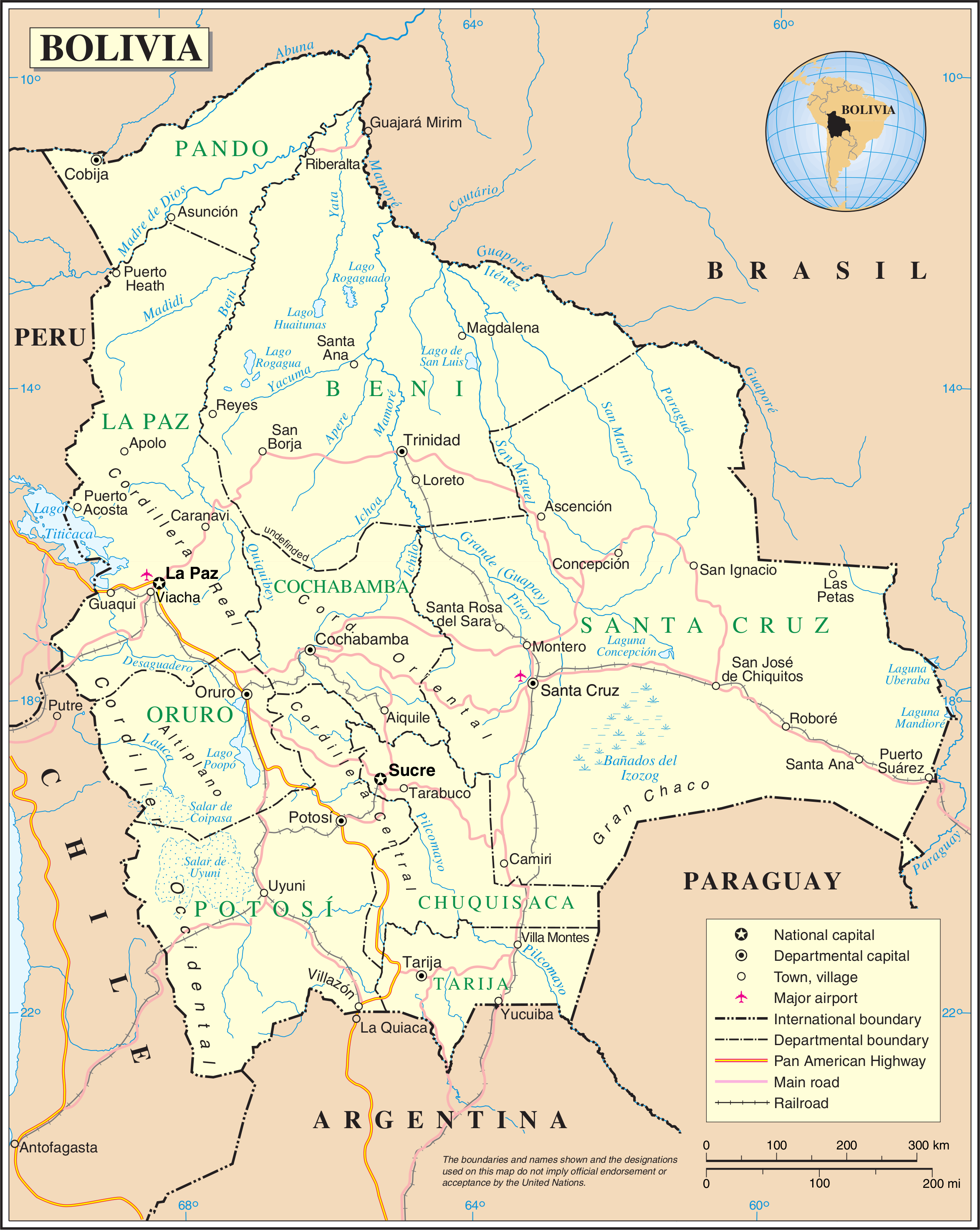
In a recent statement, the Bolivian Mining Federation warned that the reforms could lead to foreign exploitation of the country’s mineral resources, further exacerbating economic inequalities. Meanwhile, the MAS-led legislature has threatened to block the reforms unless Paz’s government addresses the immediate economic crisis, including fuel shortages and inflation.
Diplomatically, the situation has tested Bolivia’s relations with its neighbors. While Brazil and Argentina have expressed support for Paz, other regional powers, such as Chile and Peru, have called for a more balanced approach, urging Paz to engage in dialogue with opposition leaders. The OAS has also reiterated its call for a ceasefire and negotiations, but with no clear mediation mechanism in place, the risk of further confrontation remains high.
The violence in La Paz has also drawn comparisons to the 2019 protests that led to Morales’ resignation, raising fears of a repeat of that political crisis. However, analysts note that the current unrest lacks the same level of coordination among opposition groups, making a swift resolution less likely. For now, the immediate focus remains on containing the damage in La Paz, where cleanup efforts continue amid reports of further protests planned for the coming days.
What Comes Next: Uncertainty and Escalation Risks
With no immediate signs of de-escalation, analysts warn that the protests could spread to other regions, particularly if Paz’s government proceeds with unpopular economic reforms. The opposition has called for a national strike on May 20, threatening further disruptions to Bolivia’s already strained supply chains. Meanwhile, Paz’s administration has signaled it will not yield to demands for his resignation, framing the protests as attempts by “political opportunists” to exploit economic hardship.
International observers, including the OAS, have urged dialogue, but the lack of a clear mediation mechanism leaves room for further confrontation. The situation in La Paz serves as a test for Paz’s ability to govern amid Bolivia’s deep political polarization—a polarization that shows no signs of abating. For now, the immediate focus remains on containing the damage in La Paz, where cleanup efforts have begun in the judicial district. Yet with fuel shortages persisting and no end to the protests in sight, the risk of prolonged instability looms large.