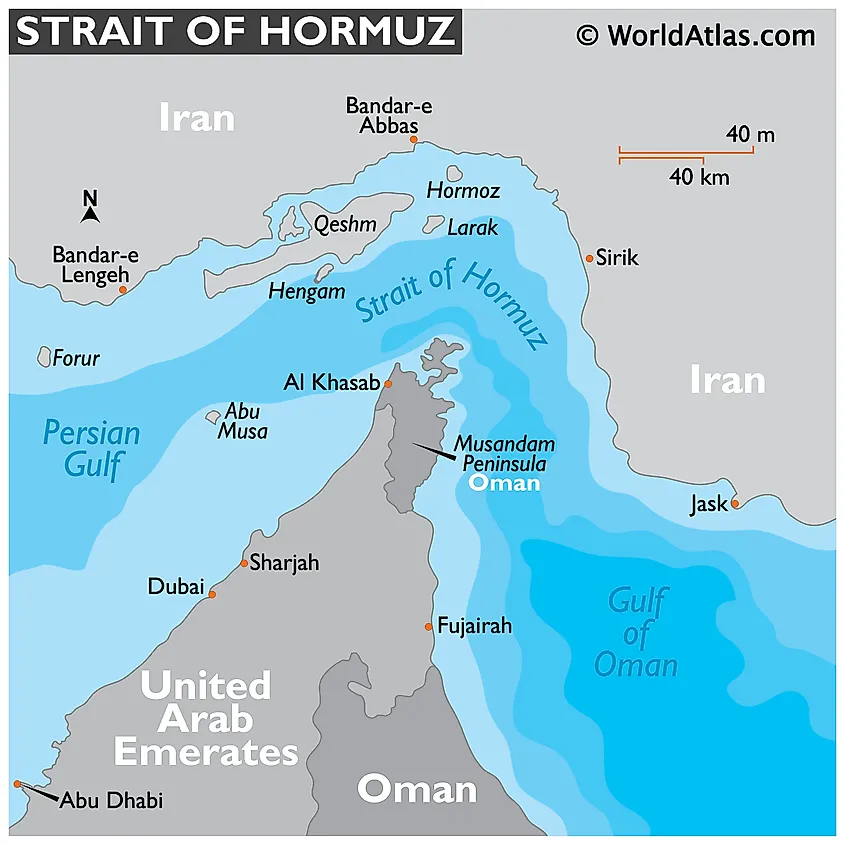
British Prime Minister Keir Starmer arrived in Paris on Friday morning to co-host a virtual summit with French President Emmanuel Macron aimed at establishing an international mission to reopen the Strait of Hormuz.
The meeting, held at the Élysée Palace, brought together leaders from around 40 countries to discuss joint efforts to restore freedom of navigation in the vital shipping passage, which has been effectively closed since the US and Israel launched airstrikes against Iran on 28 February.
European leaders have been under pressure to act after US President Donald Trump issued an ultimatum to NATO allies to develop a plan to secure the strait “within days” during his meeting with NATO Secretary General Mark Rutte in Washington last week.
The coalition, composed mainly of NATO members including South Korea, Australia and Japan, is expected to announce the broad outline of a plan that would include military ships, escorts, armed forces, intelligence, mine-clearing operations and radar capabilities.
Some European countries have already deployed vessels to the region ahead of the operation, with the Netherlands sending frigates and military personnel to preposition forces in anticipation of a future rollout.
“The aim is that we now move beyond planning, and preposition vessels in the region to be ready to act when the conflict subsides,” a NATO source told Euronews, adding that the mission would remain strictly defensive, focusing on vessels, sensors, radars and demining ships.
Chancellor Frederich Merz of Germany emphasized that any German participation would require at least a provisional ceasefire in the region and approval by both the Berlin government and parliament, stating that “we are still a long way from that.”
The leaders will focus on supporting the fragile ceasefire in the region and ensuring shipping routes are reopened and secured through the Strait for the long term, complementing ongoing diplomatic efforts to reinforce peace.
Discussions will similarly include supporting the vital function of the International Maritime Organisation, which will dial into the call to ensure the safety of seafarers and vessels.
Prime Minister Starmer is expected to tell the summit that “the unconditional and immediate reopening of the Strait is a global responsibility, and we need to act to receive global energy and trade flowing freely again,” stressing the need to reassure commercial shipping and support mine clearance operations to restore global stability and security.
Friday’s conference will be followed by a multinational military planning summit at Permanent Joint Headquarters in Northwood next week, with partners expected to step up engagement with the insurance industry to accelerate the mobilisation of commercial shipping when conditions allow.
Whereas in Paris, Starmer and Macron will also hold a bilateral lunch, during which they are expected to discuss Europe’s unwavering support for Ukraine and shared challenges such as illegal migration, growth and stepping up European security.
The continued effective closure of the Strait of Hormuz, first by Iran and now by the US, is set to trigger even more economic pain if efforts fail to secure a lasting ceasefire, with indirect talks to extend the current ceasefire ongoing and some optimism that it can be extended beyond 22 April, when it is due to expire.
The White House has expressed optimism about the prospects of a deal, with US Press Secretary Karoline Leavitt telling journalists in Washington that officials feel “good about the prospects of a deal.”
Why are European countries hesitant to join the mission without a ceasefire?
European nations, particularly Germany, insist that any military participation in securing the Strait of Hormuz must wait until at least a provisional ceasefire is in place and has received domestic political approval, reflecting their initial stance that the US-Israeli conflict with Iran is not their responsibility since they were not consulted in advance.
What makes this mission different from previous NATO operations in the region?
Unlike past operations such as the anti-piracy Cheonghae Unit in the Gulf of Aden, this mission is being framed as a strictly defensive effort focused on mine clearance and navigation safety rather than combat operations, with leaders emphasizing they are not prepared to enter an expensive, hot conflict despite pressure from the US to act quickly.