A gunman with a history of violent incidents and delusional claims was fatally shot by U.S. Secret Service agents near the White House on Saturday night, May 24, 2026, after opening fire in a confrontation that left two people injured and triggered a rapid security lockdown in Washington, D.C. President Donald Trump used the attack to renew his push for controversial renovations to the presidential residence, framing it as an urgent national security priority.
Who Was the Gunman, and What Led to the Shooting?
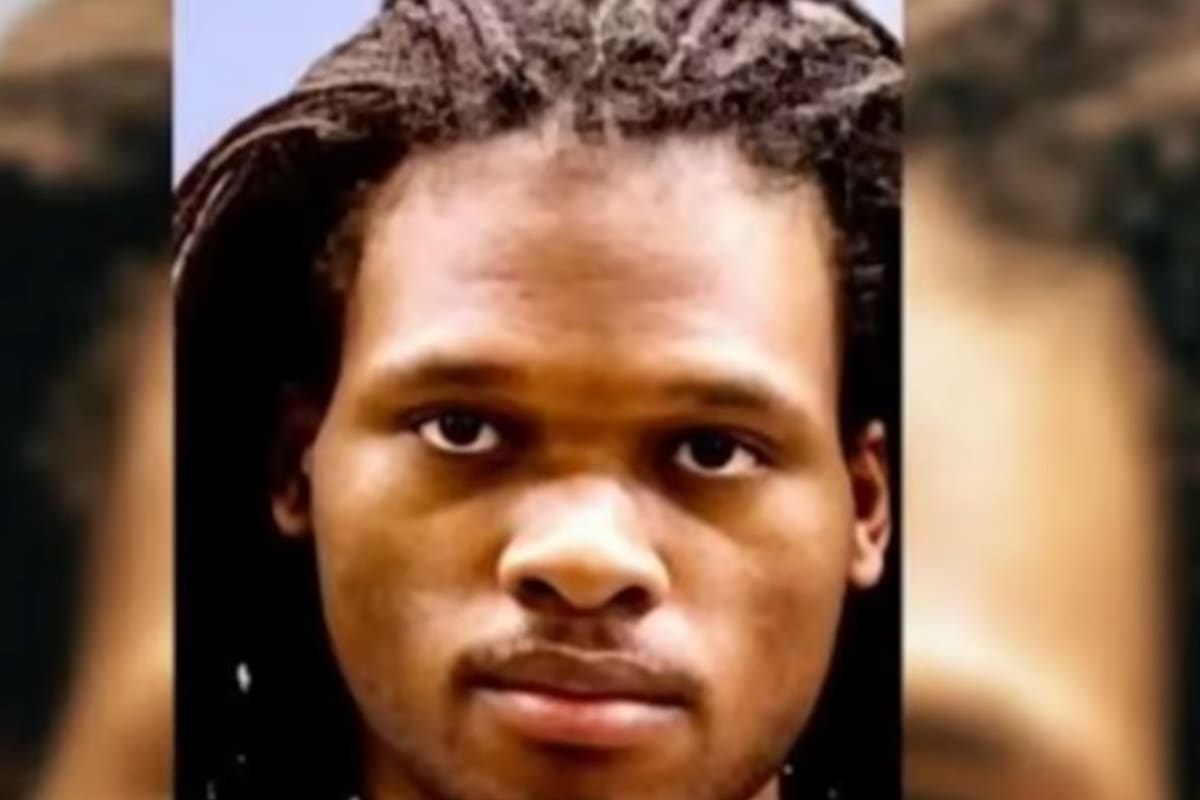
The attacker, identified as 21-year-old Nasire Best, had already drawn law enforcement attention twice in 2025. In June, he blocked a driveway leading to the White House and was arrested; a month later, he was detained again for attempting to enter the presidential complex. According to a U.S. official, Best had been issued a restraining order and had posted online that he believed he was “the real Osama bin Laden” and, at other times, “God” himself. His erratic behavior and prior interactions with Secret Service agents painted a picture of someone deeply unstable—one who, in the words of Trump’s post-shooting statement, exhibited a “possible obsession” with the “most precious building” in the country.
Best’s attack unfolded just after 6 p.m. local time near the intersection of 17th Street and Pennsylvania Avenue, where he pulled a firearm from a bag and began firing. Secret Service agents returned gunfire, striking Best fatally. A bystander was also wounded, though their condition remained unconfirmed by authorities. The scene was marked by evidence of the exchange—yellow crime scene tape, orange forensic markers, and medical supplies—while witnesses described hearing “dozens of shots” in rapid succession.
“Gracias a nuestro excelente Servicio Secreto y a las fuerzas del orden por la rápida y profesional actuación de esta noche contra un hombre armado cerca de la Casa Blanca, quien tenía antecedentes violentos y una posible obsesión con el edificio más preciado de nuestro país.”
—Donald Trump, via Truth Social, May 24, 2026
The timeline of Best’s actions aligns with a disturbing pattern: this was the second armed incident near Trump in less than a month. On April 25, during the White House Correspondents’ Dinner at the Washington Hilton Hotel, a different gunman—31-year-old Cole Tomas Allen—breached security, ran 20 meters toward the banquet hall, and fired before being subdued. Trump and Vice President J.D. Vance were inside at the time, though no one was hit. The president has since framed both incidents as proof of the need for his proposed security upgrades, particularly a new ballroom in the East Wing designed in collaboration with the military and Secret Service.
The White House Renovation Debate: Security or Symbolism?
Trump’s response to the shooting was less about condemning violence and more about seizing political momentum for his long-stalled renovation plans. The president has repeatedly argued that the East Wing’s ballroom—already under construction since October 2025—will be the “safest space of its kind ever built in Washington, D.C.” His rhetoric emphasizes futuristic protections, including “drone countermeasures” and unspecified “every imaginable security measure,” all situated within the “probably safest location in the world,” the White House grounds.
“¡La seguridad nacional de nuestro país así lo exige!”
—Donald Trump, May 24, 2026
Yet the project has faced legal hurdles. A judicial ruling suspended construction earlier this year, citing environmental and historical preservation concerns. Critics, including some lawmakers and historians, argue the renovations—particularly the ballroom—are less about security and more about creating a lavish space for future presidents, potentially at a cost of millions. Trump dismisses such objections, insisting the ballroom is “primarily for future presidents” and that its design reflects “collaboration with the armed forces and the Secret Service.”
What’s less clear is whether the renovations will actually address the root causes of the recent attacks. Security experts note that both incidents involved individuals with prior criminal or mental health flags who slipped through gaps in pre-event screening. While Trump’s proposed upgrades may bolster physical defenses, they do little to tackle the broader issue of radicalization or the ease with which disturbed individuals can acquire weapons. The Secret Service’s rapid response in this case—killing Best within minutes—highlighted the agency’s training and firepower, but also raised ethical questions about whether lethal force was the only option.
What Happened During the Shooting: Eyewitness Accounts
The chaos unfolded in real time, captured by journalists and bystanders. ABC News correspondent Selina Wang, stationed near the White House, posted a video on X (formerly Twitter) showing her ducking for cover as gunfire erupted. “It sounded like dozens of shots,” she later wrote, describing the scene as “absolute pandemonium.” Other media outlets, including NBC News and CNN, confirmed hearing the volley from multiple blocks away, with some reporters initially mistaking the noise for fireworks.
Witnesses described seeing Best standing near the curb before agents opened fire. The Secret Service’s official statement confirmed that agents “responded with lethal force” after Best drew a weapon. The FBI, led by Director Kash Patel, joined the investigation, though no immediate motive beyond Best’s known instability has been confirmed. The Secret Service’s Anthony Guglielmi, the agency’s communications chief, emphasized that the investigation remains open, with no additional details expected in the near term.
Broader Context: Trump’s Iran Negotiations and Security Tensions
The shooting occurred on the same day Trump announced that a deal with Iran had been “largely negotiated,” a claim that drew immediate skepticism from allies and critics alike. While the president was inside the White House during the incident—meeting with officials on the Iran talks—no connection between the two events has been established. However, the timing underscores a broader narrative: Trump’s administration is navigating heightened security risks amid geopolitical tensions, including Iran’s influence in the region and domestic extremism.
Best’s attack, like Allen’s earlier intrusion, reflects a troubling trend of lone-wolf threats targeting high-profile figures. Both men had no direct ties to known terrorist groups, instead acting on personal grievances or delusions. This pattern suggests that the biggest security vulnerabilities may not be foreign actors but individuals who exploit gaps in pre-event vetting and perimeter defenses. The Secret Service’s response—swift and lethal—demonstrates its readiness to neutralize threats, but also raises questions about whether non-lethal alternatives could have been employed.
What Comes Next: Investigations, Political Fallout, and Unanswered Questions
The immediate aftermath will focus on the FBI’s investigation into Best’s motives and any potential accomplices. Authorities are also expected to review the Secret Service’s use of lethal force, particularly given the presence of a bystander who was wounded. Politically, Trump is likely to use the incident to rally support for his renovation plans, framing them as essential to national security. Opponents, however, will seize on the lack of clear evidence that the ballroom would have prevented the attack—both incidents occurred outside the White House grounds.
One unanswered question looms largest: Why did Best target the White House? His online posts suggest a fixation on the building itself, but without a clear manifesto or ties to a larger movement, his actions remain a puzzle. If his claims of being “God” or “Osama bin Laden” were genuine delusions, they point to a mental health crisis that law enforcement may have missed. This raises broader concerns about how agencies screen individuals with known histories of erratic behavior.
For now, Washington remains on edge. The Secret Service has increased patrols around the White House and other government buildings, while Trump’s team is preparing for a potential public relations offensive to justify the renovations. The shooting, while tragic, has become another tool in a political battle—one where security, symbolism, and the president’s legacy are all on the line.
The next 30 days will reveal whether the investigation uncovers deeper connections or whether this remains an isolated act of violence. What is certain is that the White House—and the nation’s capital—will be watching closely for any signs of further unrest.