Iran confirmed on May 16, 2026, that European countries are negotiating with the Islamic Revolutionary Guard Corps to secure passage through the Strait of Hormuz, a critical maritime chokepoint blocking a fifth of global oil supply.
Context of the Strait of Hormuz
The Strait of Hormuz, a narrow waterway between Iran and Oman, is a vital artery for global energy trade, with approximately 20% of the world’s oil passing through its waters daily. Since early 2026, Iran has restricted access to the strait, citing security concerns amid escalating tensions with Israel, the United States, and regional adversaries. This blockade has disrupted international shipping and intensified geopolitical friction, particularly as global markets rely heavily on the route for crude oil transportation.
Iran’s actions have drawn condemnation from Western powers and international organizations. The United Nations Security Council has repeatedly called for the free flow of maritime traffic, while the International Maritime Organization (IMO) has expressed concern over the potential for accidents or conflicts in the area. The strait’s strategic importance makes it a focal point for diplomatic efforts to de-escalate regional hostilities.
Iranian Government’s Stance
Iranian state television reported on May 16, 2026, that European nations had initiated discussions with the Revolutionary Guard to obtain permissions for vessel transit. The statement, cited in multiple sources, noted that “after the passage of ships from East Asian countries, including China, Japan, and Pakistan, we have received information that Europeans have begun negotiations with the Guard to cross the strait.” While no specific countries were named, the report emphasized that Iran is implementing a “professional traffic management mechanism” to regulate maritime movement.
Earlier that day, Ebrahim Azizi, a member of Iran’s parliamentary security committee, stated that “only commercial vessels and parties cooperating with Iran will benefit” from the new system. He added that fees would be charged for “specialized services,” suggesting a shift toward a regulated, revenue-generating model for strait access. This framework aligns with Iran’s broader strategy to leverage its geographical position as a bargaining chip in regional negotiations.
The Iranian government has not provided details on the scope of these negotiations or the conditions for European ships to pass. However, the confirmation of talks represents a significant development, as it signals a willingness to engage with Western powers despite ongoing conflicts. Analysts suggest that Iran may seek assurances on energy security, trade agreements, or diplomatic concessions in exchange for easing restrictions.
European Involvement and Regional Implications
European countries have not publicly confirmed the negotiations, but the Iranian report highlights their interest in securing passage. The European Union (EU) has consistently advocated for the free movement of ships through the strait, condemning Iran’s blockade as a threat to global stability. In a statement released on May 15, 2026, the EU’s foreign policy chief, Josep Borrell, reiterated calls for “immediate de-escalation and adherence to international law.”
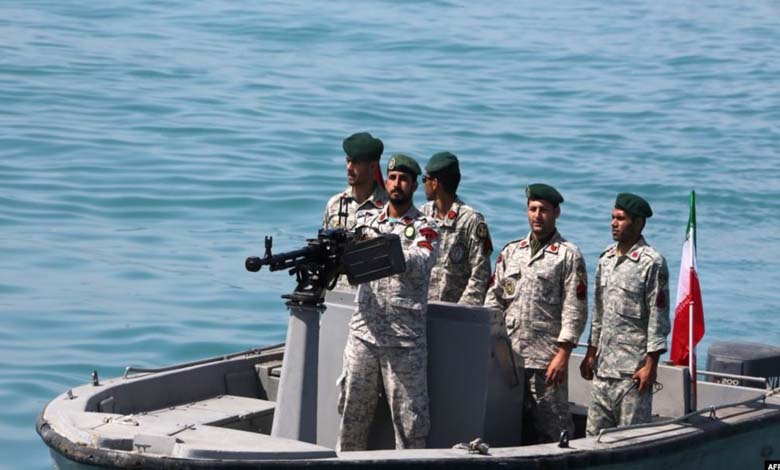
The potential for European involvement raises questions about the balance of power in the region. The U.S. has maintained a naval presence in the Persian Gulf to protect shipping lanes, but its focus has shifted in recent years due to conflicts in Europe and the Middle East. European nations, meanwhile, face pressure to assert their own interests while avoiding direct confrontation with Iran. A deal to reopen the strait could ease tensions but may also complicate U.S.-led efforts to isolate Iran diplomatically.
Regional actors such as the United Arab Emirates (UAE) and Saudi Arabia, which rely on the strait for energy exports, have also expressed concern. The UAE’s foreign ministry issued a statement on May 16, 2026, urging “all parties to prioritize dialogue and prevent further disruption to global trade.” These developments underscore the interconnected nature of regional and global economic interests, with the strait serving as a flashpoint for competing agendas.
Global Market Reactions and Uncertainties
The blockade of the Strait of Hormuz has already triggered volatility in global oil markets. On May 15, 2026, Brent crude oil prices surged to $112 per barrel, reflecting fears of supply disruptions. Analysts at the International Energy Agency (IEA) warned that prolonged restrictions could lead to a “severe shortage of crude oil in Asia and Europe,” exacerbating inflationary pressures and energy insecurity.
While the Iranian report suggests a potential resolution, uncertainties remain. The lack of transparency about the terms of negotiations leaves room for speculation. Some experts argue that Iran may use the talks to extract concessions on issues such as nuclear program restrictions or sanctions relief. Others caution that the situation could deteriorate if European countries fail to reach an agreement or if other regional actors intervene.
The outcome of these discussions will have far-reaching implications. A successful deal could restore stability to global energy markets and ease tensions between Iran and the West. Conversely, a breakdown in talks might lead to further escalation, with consequences for maritime security and international trade. As of May 17, 2026, the situation remains fluid, with diplomatic efforts ongoing but no concrete agreements announced.