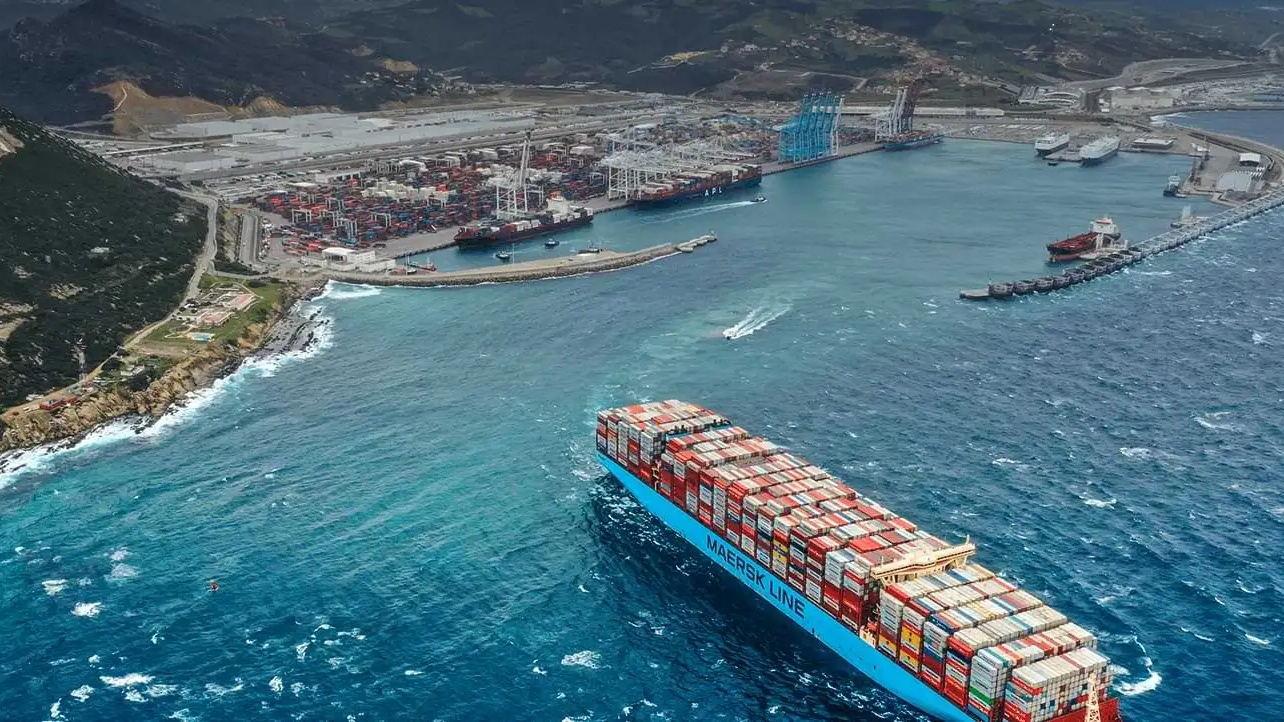
The European Union’s Carbon Border Adjustment Mechanism (MACF) is triggering intense economic friction across French overseas territories and Moroccan industrial sectors as of May 2026. As the regulation mandates carbon parity for imports, local stakeholders warn that its rigid, continent-focused design threatens to destabilize supply chains and inflate costs for essential goods.
The Economic Strain on French Overseas Territories
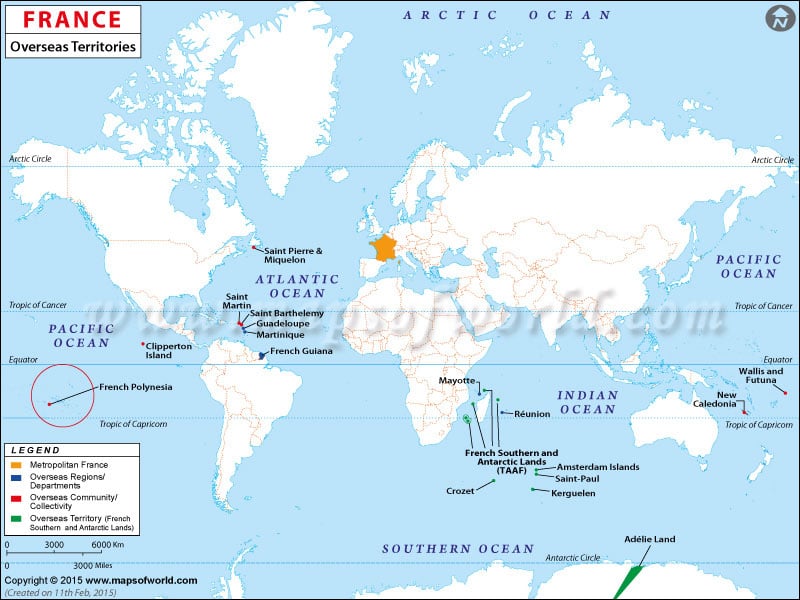
For the French overseas regions—including the Antilles, La Réunion, Mayotte, and French Guiana—the application of the MACF is being characterized by local economic leaders as a potential death knell. Franck Desalme, president of the association MPI, argues that the regulation represents an act of blindness from Brussels, failing to account for the unique structural costs and geographical isolation of territories that exist far from the European mainland.
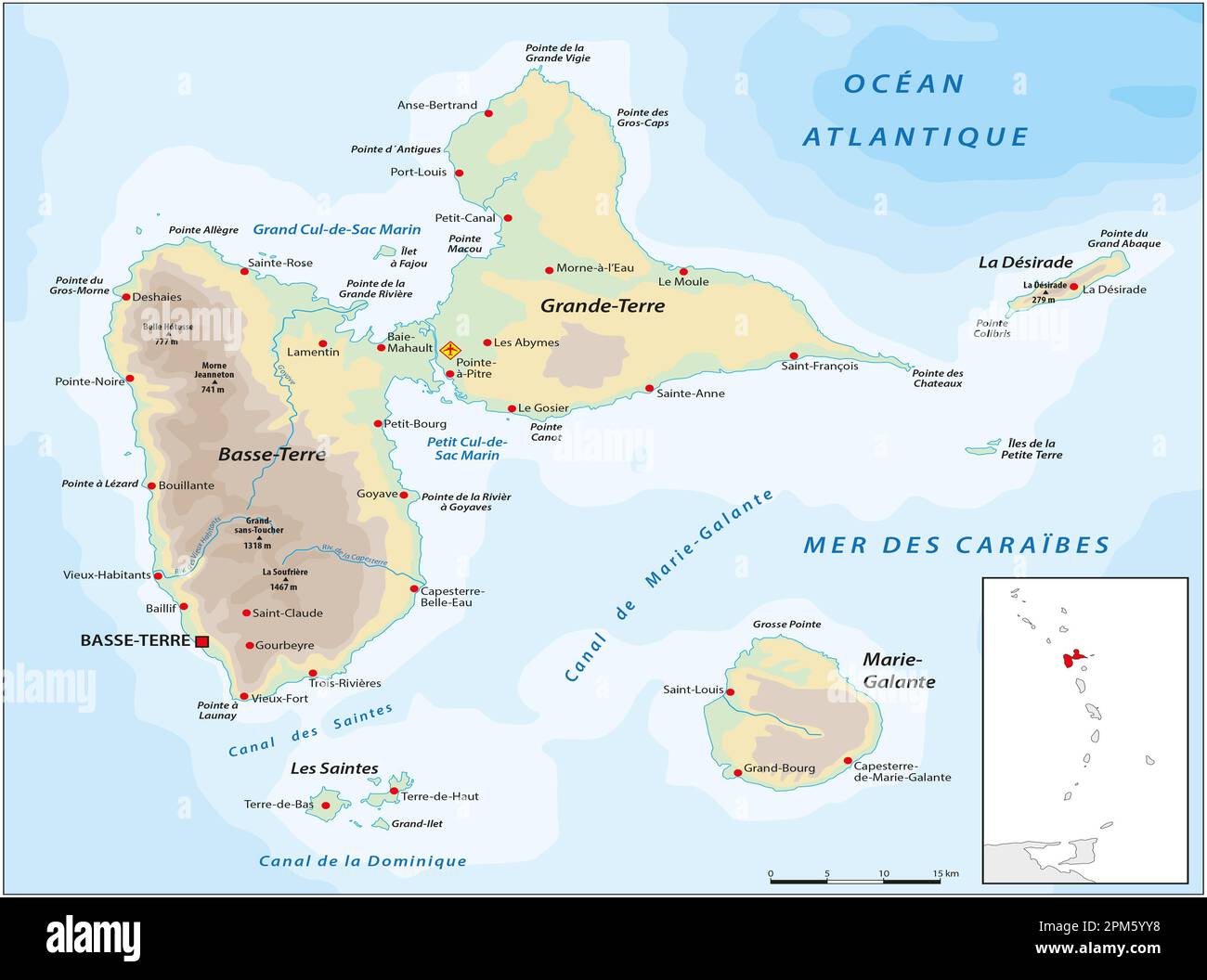
The core of the crisis lies in the fact that these territories are not self-sufficient in industrial materials. According to reporting from Politique Matin, the reliance on imports for construction and agriculture is absolute. Because these regions produce neither steel, clinker, nor nitrogen fertilizers, they are forced to import these goods from their immediate geographic basins. When those imports are hit with carbon tariffs, the costs are passed directly to the consumer.
Construction Costs and the Clinker Crisis
The construction sector, already suffering from stagnant growth and a lack of social housing, faces the most immediate threat. Clinker, the primary component in cement, accounts for roughly 75% of local building materials.
- Cement Prices: Anticipated to rise by 34% starting in 2026, with 31% of that increase directly attributable to the MACF.
- Concrete: Projected cost increases ranging from 18% to 19%.
- Overall Construction: Estimates suggest a 3% to 5% increase in total project costs.
For the average resident, this translates into higher costs for housing and public infrastructure. The situation is compounded by the fact that the regulation ignores the logistics of the territories. While the MACF was designed for European supply chains spanning 600 to 1,200 kilometers, overseas territories often rely on shipping routes between 6,000 and 11,000 kilometers long. Forcing these regions to source materials from the European continent to avoid the tax would, ironically, result in a significantly higher carbon footprint.
Agricultural Impacts and the Threat of Social Unrest
The agricultural sector is equally vulnerable. Because local alternatives for fertilizers are insufficient, the import-heavy farming industry must absorb the tax on nitrogen-based inputs, with prices expected to climb between 15% and 30%. This threatens the goal of local food sovereignty and adds to the “vie chère”—the high cost of living—that already plagues these regions.
Political leaders and organizations like EURODOM are now calling for a formal adaptation or a total exclusion of the territories from the MACF framework. There is a growing fear that if these economic pressures are not addressed, the resulting social tension could mirror the 2018 unrest in the French Hexagone. As analyzed by local commentators, the danger is that a climate policy designed for industrial giants is being applied as a blunt instrument, potentially transforming environmental goals into a catalyst for domestic instability.
Morocco’s Industrial Pivot and the Risk of Decoupling
While the overseas territories face an existential threat to their supply chains, Morocco’s industrial sector is grappling with a different kind of pressure: the forced acceleration of its green transition. As reported by L’Opinion, Moroccan exporters are currently warning of the risk of industrial “déclassement”—or downgrading—if they fail to align with the new European carbon standards by 2035.

For Morocco, the MACF is not just a tax; it is a competitive threshold. The country is now engaged in a massive industrial mutation, attempting to pivot toward greener production methods to maintain its foothold in the European market. The stakes are binary: either Moroccan firms succeed in upgrading their energy models to meet European carbon requirements, or they risk being priced out of their primary export market entirely. Unlike the overseas territories, which are seeking exemption, Moroccan exporters are viewing the regulation as a high-stakes race to integrate into the European green industrial value chain.
The next 30 days will likely see increased lobbying in Brussels from both the French RUP (Regions of Outermost Europe) and North African trade partners, all seeking to mitigate the rigid implementation of the carbon mechanism. For the overseas territories, the message is clear: the current policy is perceived as a disconnect between continental theory and island reality, a gap that if left unbridged, may prove costly for both the French government and the European Union’s broader social cohesion.