Iran declared the Strait of Hormuz open to commercial shipping for the duration of a fragile 10-day ceasefire between Lebanon and Israel, a move that sent oil prices tumbling and global markets rallying.
The announcement came as senior Hezbollah leader Wafiq Safa told the BBC the group would “never, ever” disarm, insisting its weapons would remain until Israel withdrew from Lebanese territory, prisoners were returned, displaced people allowed to go home, and reconstruction began. Safa described Hezbollah and Iran as “two souls in one body,” emphasizing their ideological, religious, and legal unity.
Israel responded with intense air strikes and a ground invasion of southern Lebanon after Hezbollah fired rockets into Israel in early March, citing retaliation for the killing of Iran’s supreme leader and ongoing Israeli strikes on Lebanon since their November 2024 war. Israel maintains its campaign will continue until Hezbollah is disarmed, a demand echoed by Prime Minister Benjamin Netanyahu.
Despite the ceasefire, many Lebanese citizens express frustration with Hezbollah, blaming the group for dragging the country into conflict and calling for its disarmament. Safa countered that Iranian support, including pressure for the ceasefire, had benefited Lebanon during the fighting.
Iran’s state television reported that only commercial vessels — not military ships — may transit the Strait of Hormuz, and even then must follow a designated route and obtain permission from the Islamic Revolutionary Guard Corps navy. The waterway had been effectively closed since late February when the U.S. And Israel launched military strikes inside Iran, disrupting global oil flows and pushing Brent crude above $119 per barrel in March.
Following Iran’s announcement, Brent crude fell below $90 a barrel, a 10% drop, while major U.S. And European stock indices rose in early trading. The S&P 500 increased by 0.8%, the Nasdaq and Dow Jones each gained more than 1%, and European markets saw stronger gains, with France’s Cac and Germany’s Dax up over 2% and London’s FTSE 100 rising approximately 0.5%.
The development echoes past patterns where temporary maritime access has been granted during lulls in broader regional confrontations, though previous openings have often been short-lived and contingent on unresolved political conditions.
How the Strait of Hormuz functions amid military restrictions
Iran permits commercial shipping through the Strait of Hormuz under strict conditions, requiring vessels to follow a predetermined route and obtain clearance from its Islamic Revolutionary Guard Corps navy, even as military ships remain barred. This limited access contrasts with the total blockade previously enforced since late February, when U.S. And Israeli strikes inside Iran prompted Tehran to close the waterway entirely, choking off a critical artery for global oil supply.
Why Hezbollah refuses to disarm despite ceasefire terms
Wafiq Safa stated Hezbollah will not discuss disarmament until Israel withdraws from Lebanese territory, returns prisoners, allows the return of displaced persons, and begins reconstruction — conditions he framed as prerequisites for any meaningful dialogue on weapons. He rejected the idea that the group prioritizes Iranian interests over Lebanese ones, insisting its actions serve Lebanon while acknowledging deep strategic and ideological alignment with Tehran.
What the market reaction reveals about global oil sensitivities
Oil prices dropped sharply and stock markets rose after Iran announced the Strait of Hormuz was open to commercial traffic, reflecting how swiftly financial markets respond to changes in the flow of energy through the chokepoint. Before the conflict, Brent crude traded below $70 per barrel; it spiked above $100 and peaked over $119 in March as tankers were blocked from passing, demonstrating the strait’s outsized influence on global energy pricing.
Why is the Strait of Hormuz important for global oil markets?
The Strait of Hormuz is a critical chokepoint for global oil shipments, and its closure by Iran in late February disrupted tanker traffic, reduced available supply, and contributed to Brent crude rising above $119 per barrel in March.
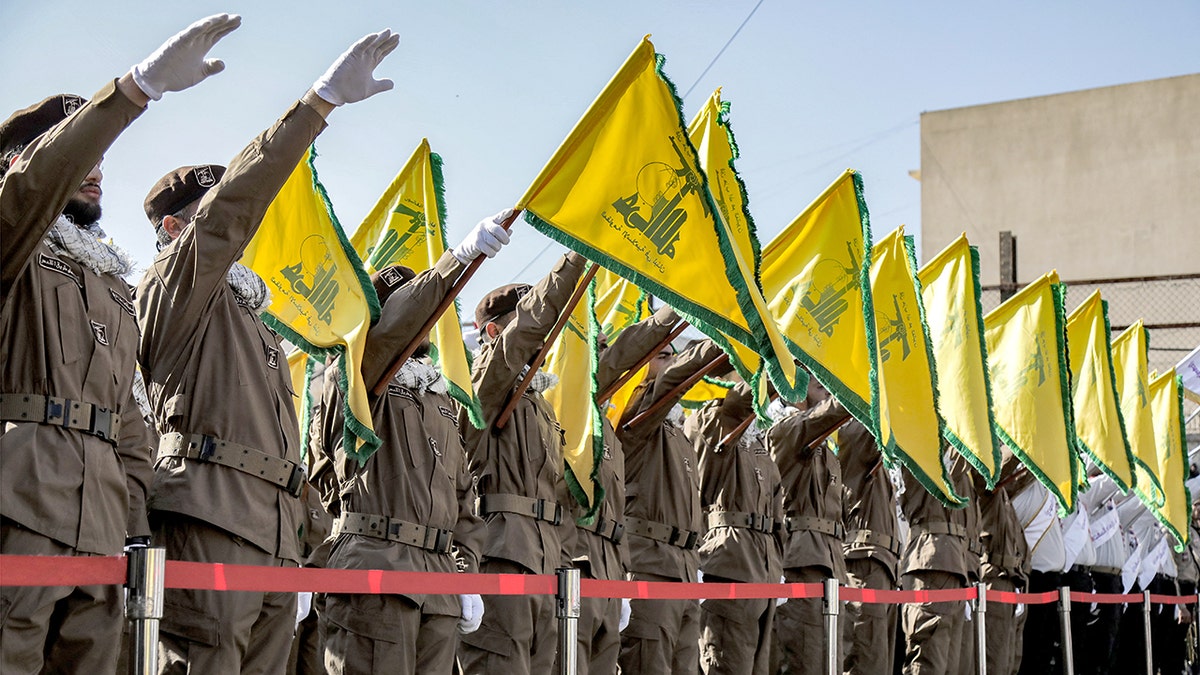
What conditions did Hezbollah set for discussing disarmament?
Hezbollah said it will not discuss disarmament until Israel withdraws from Lebanese territory, returns prisoners, allows the return of displaced people, and begins reconstruction.
How did financial markets react to Iran’s announcement about the Strait of Hormuz?
Brent crude fell below $90 a barrel, a 10% drop, while the S&P 500 rose 0.8%, the Nasdaq and Dow Jones each gained more than 1%, and European indices saw stronger increases, with France’s Cac and Germany’s Dax up over 2% and London’s FTSE 100 rising approximately 0.5%.