A metal detector enthusiast in Romania’s Prahova County discovered a 3,000-year-old treasure trove this May, including three gold necklaces weighing over 300 grams. The cache, unearthed in the village of Marginea Pădurii, also contained iron wheels, bronze axes, and a bracelet, prompting archaeologists to reevaluate the region’s Bronze and Iron Age chronology.
A Chance Discovery in Marginea Pădurii
cluster (priority): telemundo.com
The recovery of these artifacts began with a routine excursion. A local man, operating one of the few legally permitted metal detectors in Romania, was scanning near the village of Marginea Pădurii when his device signaled a significant find beneath a stone. According to reports from Rosario3, the initial artifacts were located just 25 centimeters below the surface.
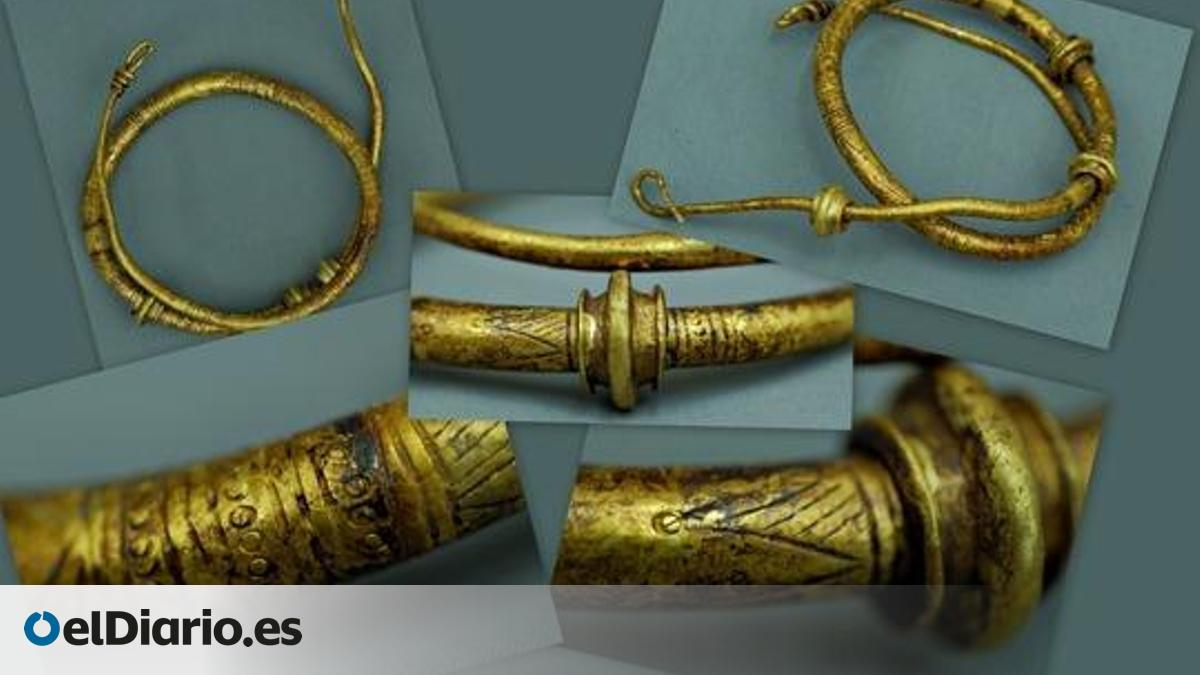
Rather than stopping at the first sign of metal, the individual continued excavating until the entire collection was recovered. The haul was substantial: three gold necklaces totaling more than 300 grams, iron wheels, two small axes, and a bronze bracelet. Demonstrating compliance with national heritage laws, the finder delivered the entire collection to the Prahova County Directorate of Culture the following morning.
Archaeological Implications and Chronological Challenges
cluster (priority): lanacion.com.ar
The discovery has sent ripples through the Romanian archaeological community. Alin Frînculeasa, a specialist in prehistoric archaeology and a lead researcher in Prahova, characterized the find as “excepcional para Rumanía”. The diversity of the objects—spanning different materials and likely different eras—presents a complex puzzle for researchers trying to place the hoard within a definitive timeline.
The difficulty in dating the collection lies in its eclectic composition. As Frînculeasa noted, the artifacts appear to straddle the middle and late stages of the Bronze Age and the dawn of the First Iron Age.
“Actualmente, datar los artefactos resulta problemático porque las piezas parecen pertenecer a un período que abarca las etapas media y tardía de la Edad de Bronce y el comienzo de la Primera Edad de Hierro”Alin Frînculeasa, specialist in prehistoric archaeology
This temporal overlap suggests a significant gap between the creation of various pieces within the hoard. Frînculeasa explained that “Esto significa que entre el momento de creación de algunos y el de fabricación de otros habría una diferencia de varios cientos de años”. Whether these items were deposited as a single ritual offering or accumulated over centuries remains the central question for the ongoing investigation into their provenance and trade relations.
Broader Patterns of Discovery in Eastern Europe
Unveiling History's Greatest Mystery:The Lost Romanian Treasure-$5.5 Billion Worth of Gold Vanished!
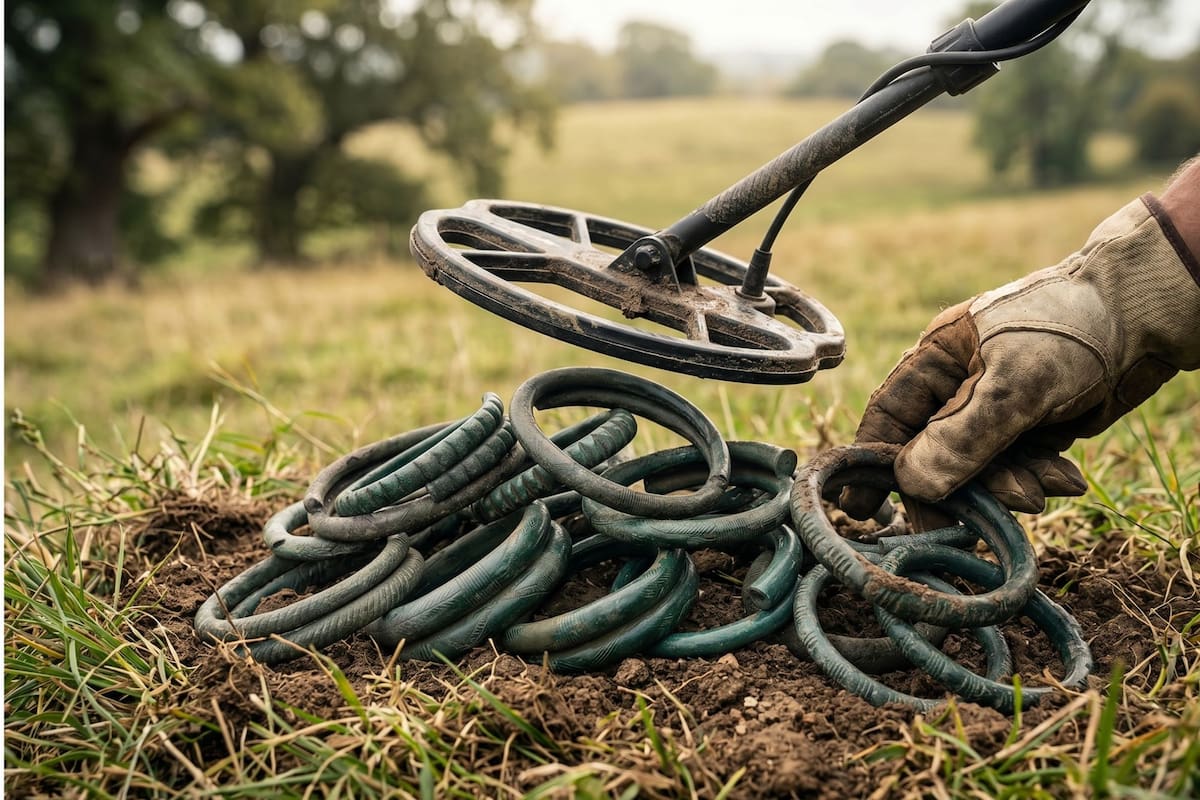
The Prahova discovery is part of a larger trend of metal-detecting finds across Eastern Europe that are reshaping historical understanding. In Poland, for example, a similar discovery near the village of Śniatycze in the Zamość region recently yielded 18 bronze anklets, totaling nearly four kilograms.
As reported by La Nacion, these Polish artifacts date back to the Hallstatt D period, roughly 550 to 400 B.C. The Lublin Voivodeship Conservator of Monuments has confirmed that these items will be transferred to the Zamość Museum. Regarding the preservation of such finds, officials stated:
“Los monumentos descritos serán transferidos de forma formal al Museo de Zamość, que probablemente encargará su conservación profesional, una investigación especializada sobre el bronce y un análisis tipológico y cronológico de estos monumentos”Conservador de Monumentos del Voivodato de Lublin, via La Nacion
These discoveries highlight the necessity of professional intervention following amateur detection. While the Prahova hoard awaits final curation, the Prahova County Directorate of Culture expects the items to be exhibited at the Museum of History and Archaeology of Prahova once the academic study is complete.
Contextualizing Ancient Wealth
cluster (priority): eldiario.es
The region’s history of hidden wealth is not limited to the Bronze Age. In recent months, Romania has seen other significant findings, including 1,168 Roman silver coins unearthed in Dolj County. According to Telemundo, those coins were likely buried during the third century amidst regional conflicts.
Comparing the Prahova hoard to these other finds underscores the strategic importance of the Carpathian region throughout antiquity. Whether it is Roman silver or Bronze Age gold, each discovery forces a re-evaluation of how ancient civilizations managed their resources and responded to the instability of their times. For now, the Prahova artifacts are under the care of local authorities, who are tasked with unlocking the secrets of their origin, metallurgy, and the long-forgotten owners who once gathered them together.