Donald Trump announced Wednesday via Truth Social that the leaders of Israel and Lebanon will speak on Thursday, marking the first direct communication between the two nations’ heads of state in 34 years. The announcement follows a Tuesday meeting in Washington, DC, where Israeli and Lebanese ambassadors held their first face-to-face diplomatic talks in over three decades.
Trump described the effort as a way to get “a little breathing room” between the two sides. He didn’t specify which leaders would participate or where the conversation would take place. In Beirut, the announcement was met with skepticism; Lebanese officials have expressed that they aren’t aware of any planned contact.
Israel is expanding its ground invasion in southern Lebanon
Prime Minister Benjamin Netanyahu ordered the military to push further east into southern Lebanon on Wednesday. He intends to use the ground campaign to seize more territory and establish a “buffer zone.”

The military continues to strike targets despite the diplomatic overtures. Netanyahu stated Israel is poised to “overwhelm” Bint Jbeil, a town he identified as a Hezbollah stronghold. On Wednesday, consecutive Israeli strikes in the village of Mayfadoun killed four Lebanese rescue workers and wounded six others.
Netanyahu is pursuing a dual-track strategy: maintaining a military campaign to disarm Hezbollah although negotiating with the Lebanese government for a “sustainable peace.”
Lebanon seeks a total Israeli withdrawal
The Lebanese government isn’t a direct party to the conflict but is actively seeking a ceasefire and the full withdrawal of Israeli troops. For Beirut, speaking directly with Israeli leadership while the country is under attack remains a political taboo.
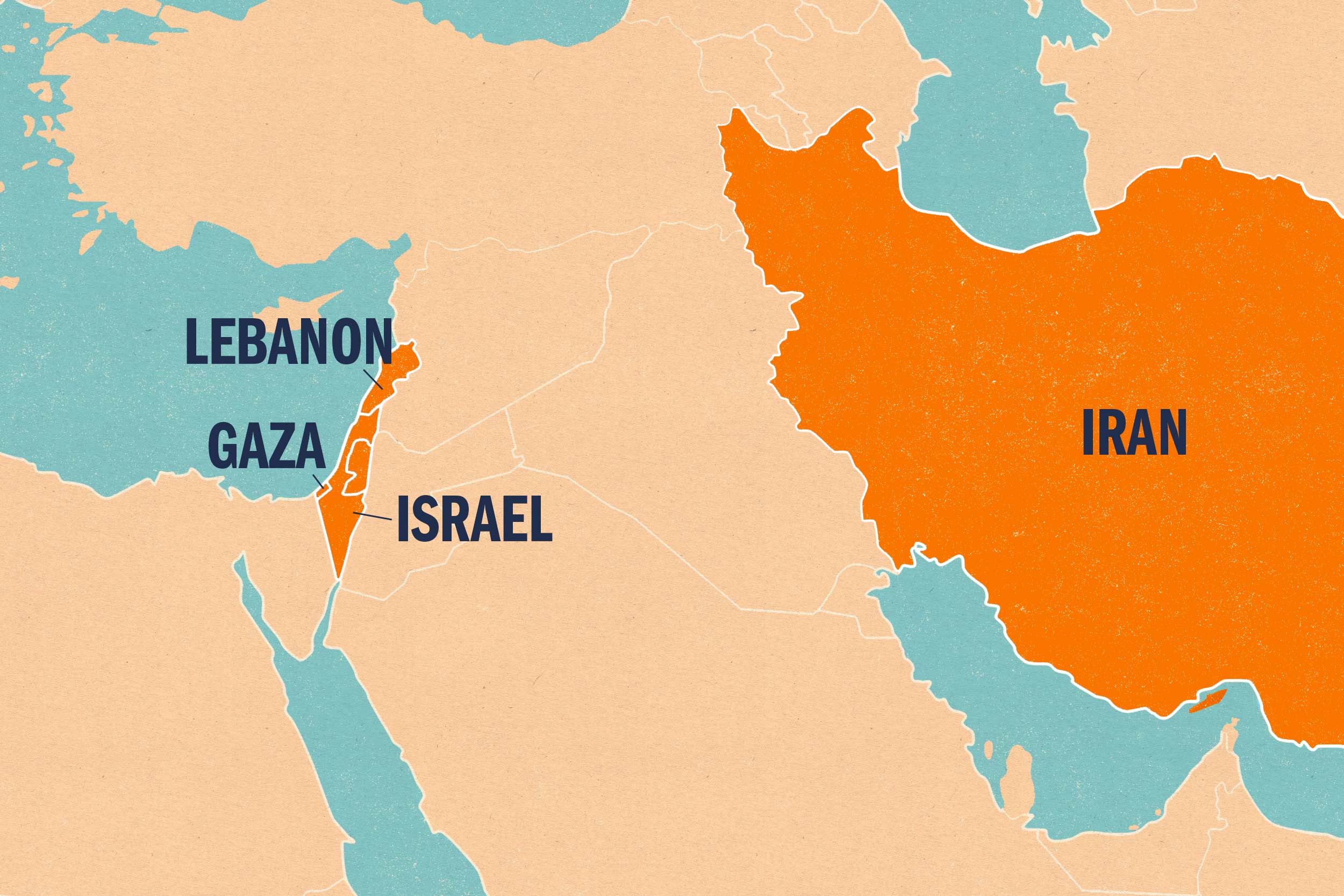
Lebanon was drawn into the broader US-Israel war on Iran on March 2. This happened after Hezbollah launched rockets at Israel in retaliation for the February 28 killing of Iran’s Supreme Leader, Ayatollah Ali Khamenei, and what Hezbollah described as near-daily Israeli violations of a November 2024 ceasefire.
The US is tightening oil sanctions on Iran
While Trump claims the broader war is “very close to over,” the Treasury Department is ramping up economic pressure. The US announced new sanctions targeting Iran’s oil transport infrastructure, specifically hitting more than two dozen people, companies, and ships linked to shipping magnate Mohammad Hossein Shamkhani.
Centcom reported that it blocked 10 vessels from leaving Iranian ports during the first 48 hours of a US naval blockade. However, ship tracking data shows at least three vessels successfully crossed the strait of Hormuz, though some later turned back.
White House press secretary Karoline Leavitt denied reports that the US requested an extension to the current ceasefire with Iran, which expires next week. She noted that talks remain “productive” and a second round of negotiations will likely occur in Islamabad, with Pakistan serving as the sole mediator.
Netanyahu’s political standing remains polarized
The Prime Minister’s ability to navigate these crises has landed him on Time magazine’s 2026 list of 100 most influential people for the fifth time. The publication notes that while the October 7, 2023, attacks were the worst security failure in Israel’s history, Netanyahu’s handling of the fights in Iran and Lebanon, alongside the release of Gaza hostages, has boosted his standing domestically.
That domestic surge contrasts with a decline in international support. Time suggests that West Bank settlement expansion and the current conflicts may be poisoning attitudes toward Israel and eroding support among younger Americans.
Will there be a ceasefire in Lebanon soon?
The Financial Times reported that a ceasefire could be announced soon based on Lebanese officials, and reports indicate Netanyahu is weighing a truce following pressure from Washington.
Who is mediating the US-Iran negotiations?
Pakistan is the only mediator in the discussions. The Pakistani army chief met with Iran’s foreign minister in Tehran on Wednesday to facilitate arrange a second round of talks in Islamabad.