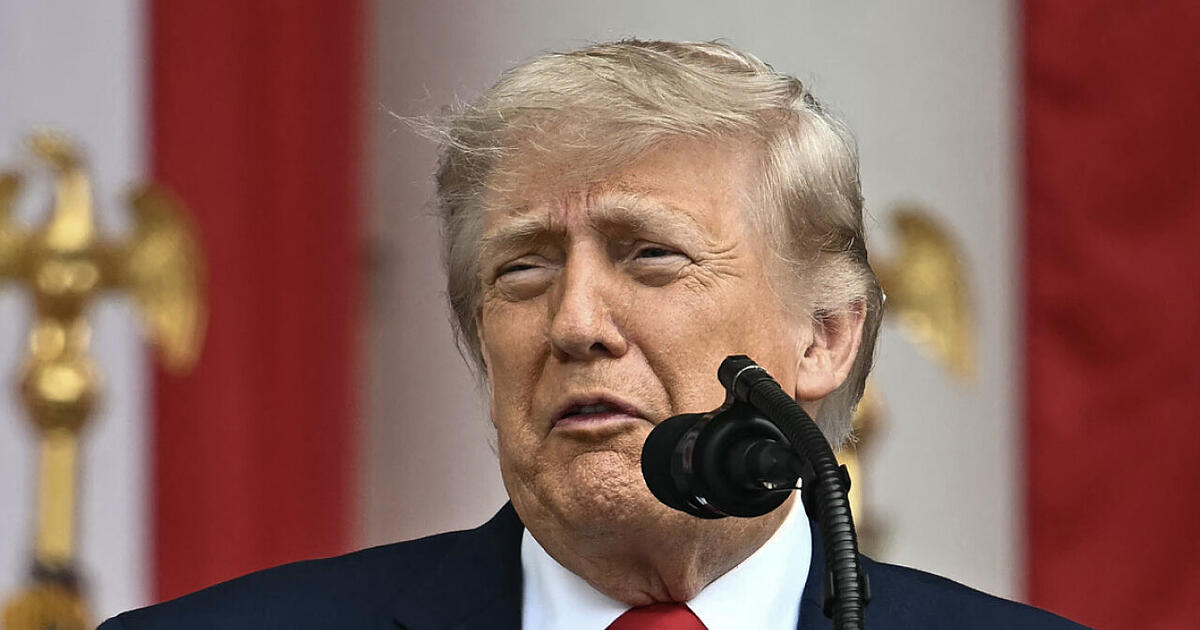
US President Donald Trump underwent a routine medical examination at the Walter Reed National Military Medical Center on Tuesday, May 26, 2026. Following the visit, the President characterized the results as “perfect” on his social media platform, Truth Social, though the White House has not yet released detailed medical findings.
A Pattern of Routine Screenings Amid Public Scrutiny
The visit to the military medical facility in Bethesda, Maryland, marks the third such checkup for the 79-year-old president in the last 13 months. While there is no legal requirement for a sitting U.S. president to disclose medical records, the practice of issuing reports on presidential health has become a long-standing tradition in American politics.

According to reporting by the Salzburger Nachrichten, the President’s own assessment of the appointment was brief.
“Everything went PERFECT.”
Donald Trump, US President, via Truth Social
This latest examination follows a period of heightened public discourse regarding the President’s physical condition. Critics and medical observers have frequently noted that official updates often emphasize a positive health status while providing limited, independently verifiable data. Jeffrey Kuhlman, a former White House physician who served under three previous administrations, stated in reporting by the Frankfurter Rundschau that the primary concerns among the public currently center on advanced age. Kuhlman suggested that a standard comprehensive evaluation for an individual of the President’s age should ideally include cognitive assessments, cancer screenings, and specialized cardiac testing.
Addressing Persistent Health Speculation
The President’s health has been a frequent topic of speculation throughout his second term, often fueled by visual observations circulating online. Specifically, images have previously highlighted visible swelling in the lower legs and bruising on the hands.

The White House has previously addressed these concerns by identifying the leg swelling as chronic venous insufficiency, a condition common among older adults. Regarding the bruising on his hands, the administration has attributed the marks to the frequency of handshaking associated with presidential duties, while press secretary Karoline Leavitt has pointed to the use of blood-thinning medications as a contributing factor, as noted in recent media coverage.
Despite the recurring nature of these health discussions, the President has consistently maintained that he remains in peak physical condition. During his previous campaign, he frequently utilized his own perceived vitality to contrast himself with his predecessor, Joe Biden. In October of last year, his physician, Sean Barbabella, claimed that the President possessed the cardiovascular health typically seen in a 65-year-old.
The Political Stakes of Presidential Wellness
The timing of this medical checkup arrives as the administration navigates significant domestic and international challenges. On the same day as the examination, the President was scheduled to lead a political meeting at the White House focused on the ongoing conflict in the Iran region, according to ntv.
The political pressure to project strength is compounded by the upcoming midterm elections. A survey conducted in April by the Washington Post, ABC News, and Ipsos indicated that less than half of American adults believe the President possesses the necessary mental clarity or physical health to effectively carry out the duties of the office.
As the President approaches his 80th birthday on June 14, the transparency of these medical disclosures remains a point of contention. While the White House has promised to provide further information, the timeline for that release remains unclear. For now, the public is left to rely on the President’s own summary of the event as the administration balances the tradition of transparency against the desire to maintain an image of unwavering fitness for the presidency.
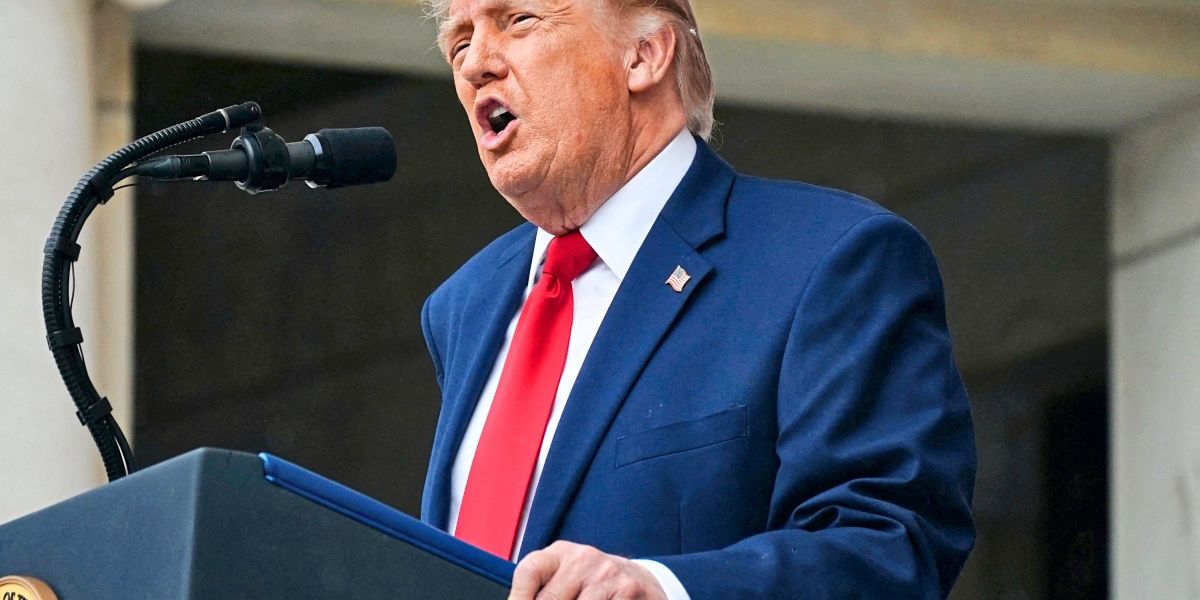
The medical team at Walter Reed has historically maintained a strict protocol regarding the privacy of the President, often delaying the release of specific findings until a comprehensive report can be compiled and reviewed by administration officials. This delay, while standard for military medical facilities, often creates a vacuum of information that allows for competing narratives regarding the President’s true medical status to flourish in the media landscape.
Political analysts have noted that the President’s insistence on using social media to frame the outcome of the visit—before official documentation is released—is a deliberate strategy to control the narrative. By preempting the formal medical report, the President ensures that the initial news cycle is dominated by his own characterization of the event. This approach aligns with the administration’s broader communication strategy, which frequently prioritizes rapid, direct-to-public messaging over traditional press briefings or the release of technical documents.
The context of the ongoing conflict in the Iran region adds an additional layer of urgency to the public’s interest in the President’s health. With high-stakes diplomatic and military decisions being made, stakeholders both domestically and internationally are closely monitoring any indication of the President’s ability to manage the rigors of the office. The White House has consistently pushed back against suggestions that these checkups are related to any specific health crisis, emphasizing that the visits are part of a standard, pre-planned schedule designed to ensure the long-term well-being of the head of state.