As the United States imposed sanctions on a Chinese refinery for buying billions of dollars’ worth of Iranian oil, Washington and Tehran prepared for another round of peace talks this weekend — a stark juxtaposition of economic pressure and diplomatic overture.
The Treasury Department targeted Hengli Petrochemical’s refinery in Dalian, which it said is one of Iran’s largest customers for crude oil and petroleum products. It also imposed sanctions on about 40 shipping companies and vessels that operate as part of Iran’s shadow fleet. China has said it opposes “illegal” unilateral sanctions, with its embassy in Washington stating normal trade should not be harmed and calling on Washington to stop “abusing” sanctions to target Chinese companies.
Meanwhile, Steve Witkoff and Jared Kushner were headed to Pakistan in a bid to kickstart a modern round of peace negotiations with Iran amid a fragile ceasefire. The White House said the envoys would engage in an “in-person conversation” with Iranian representatives, but Iranian state media said direct negotiations were not on the cards.
Iranian foreign minister Abbas Araghchi arrived in Islamabad late Friday, writing on social media that he was travelling to Pakistan on a trip focused on “bilateral matters and regional developments.” He did not specify who he would meet. Shortly after his arrival, Pakistan’s government made it clear there would be no direct negotiations with American government representatives during this visit.
Foreign ministry spokesperson Esmael Baqaei said on X that “No meeting is planned to take place between Iran and the US.” Instead, Baqaei said Pakistani officials would convey messages between the delegations. He thanked the Pakistani government for its “ongoing mediation + good offices for ending American imposed war of aggression.”
White House press secretary Karoline Leavitt had said in an interview on Fox News that Witkoff and Kushner would meet with Araghchi. “We’re hopeful that it will be a productive conversation and hopefully move the ball forward to a deal,” Leavitt said. She said vice-president JD Vance would not travel but that he remains “deeply involved,” and would be willing to go to Pakistan “if we feel it’s a necessary utilize of his time.”
The talks planned for Saturday come as much of the world is on edge over a war that has snarled crucial energy exports through the Strait of Hormuz, clouded the global economic picture and left thousands dead across the Middle East. The international community continues to denounce the humanitarian crises stemming from the conflict.
Earlier in the week, Pakistan had road closures in place for six days as it prepared to host the peace talks. This follows a meeting on 11 April where senior US and Iranian officials met in Pakistan for talks lasting over 21 hours but ending without agreement, despite both sides reporting progress. On 19 April, US President Donald Trump said his representatives would return to Pakistan for talks, but this did not happen as Iran said it had not yet decided whether to take part. On 21 April, Trump agreed to extend the ceasefire with Iran for an unspecified time so negotiations could continue.
Why is the US targeting a Chinese refinery in its pressure on Iran?
The US says Hengli Petrochemical’s refinery in Dalian is one of Iran’s largest customers for crude oil, having purchased billions of dollars’ worth of Iranian petroleum, making it a critical node in Iran’s ability to generate revenue despite sanctions.
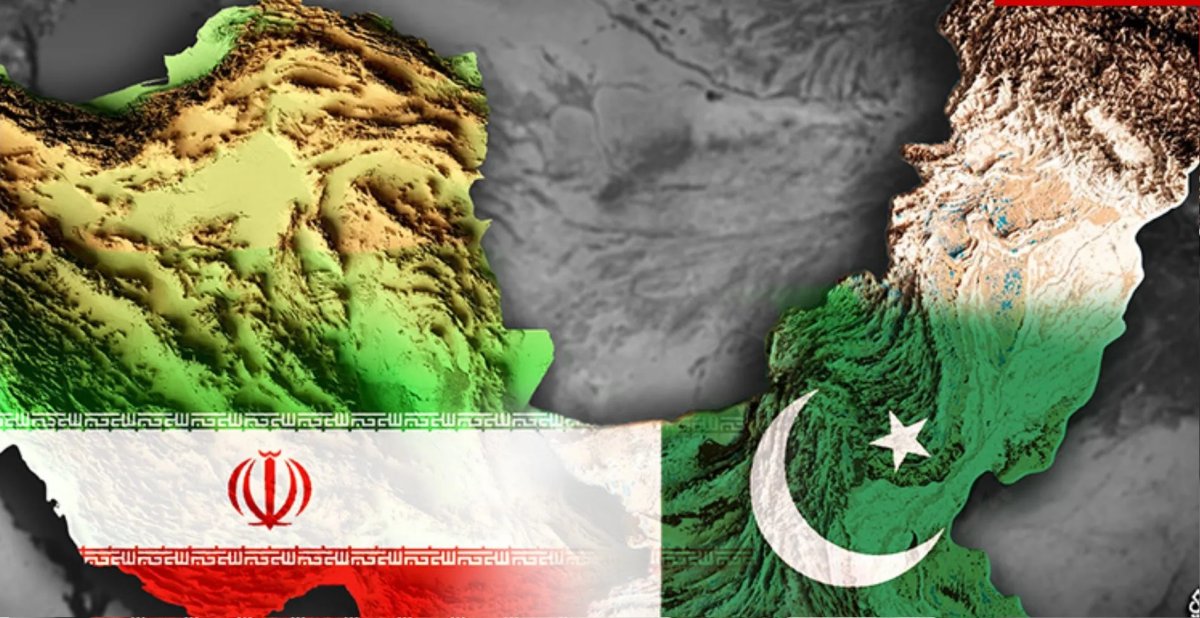
Why does Iran say direct talks with the US are not happening during this visit?
Iranian officials state that no meeting is planned between Iranian and American government representatives, with Pakistani officials instead acting as intermediaries to convey messages between the delegations.