
Nearly 9 million Americans are now holding down multiple jobs in 2026, a surge driven by economic instability and the collapse of traditional career security. With inflation eroding paychecks and recession fears at record highs, workers are trading ambition for survival—choosing side gigs, second shifts, or even third jobs to stay afloat, while a staggering 65% say they won’t risk job-hopping this year. The labor market isn’t just tight; it’s a minefield where one wrong move could mean financial ruin.
Why the Side Hustle Is No Longer a Side Hustle
This isn’t just about gig workers or freelancers. The trend cuts across demographics, industries, and income levels. In April alone, 8.4 million Americans—5.2% of the workforce—were holding multiple jobs, according to labor data analyzed by Advisor Perspectives. That’s up from previous years, reflecting a labor market where full-time employment no longer guarantees stability. The numbers tell a story of desperation: workers aren’t just supplementing their income; they’re trying to prevent a freefall.
For many, the choice is stark: take on extra shifts, freelance work, or even a second full-time job, or risk falling behind on bills, rent, or savings. The data is clear: 80% of workers surveyed in January 2026 said they feared a recession, and nearly half expected their employer to cut jobs this year—a jump of 15 percentage points from 2025, according to HR Executive. With wage growth stagnant and the cost of living rising, the math is simple: one job isn’t enough.
The “Eggshell Economy”: When Job Satisfaction Hides Fear
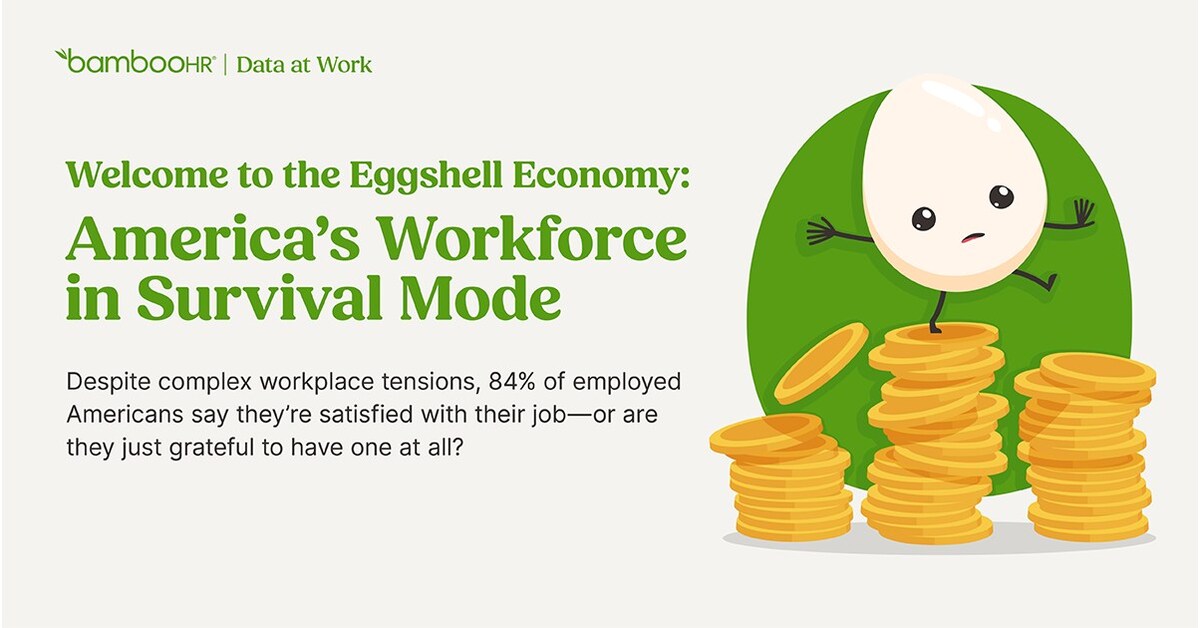
Here’s the paradox: despite the stress, 84% of American workers report being satisfied with their jobs. But satisfaction today isn’t the same as it was a decade ago. It’s not about fulfillment or growth—it’s about gratitude for having a job at all. Researchers at BambooHR call this the “Eggshell Economy,” a term that captures how workers are walking on eggshells, afraid to speak up, innovate, or even apply for promotions for fear of being seen as “too ambitious” or “disposable.”

“Today’s employees are navigating a minefield of career and economic uncertainties. High satisfaction rates are encouraging on the surface, but they also suggest a workforce walking on eggshells: grateful to be employed, but reluctant to rock the boat.”
The data backs this up. 54% of employees didn’t apply to a single job in 2024, defying the post-“Great Resignation” narrative of workers quitting en masse. Instead, they’re staying put—not because they love their jobs, but because the alternative is terrifying. 73% actively work to make their contributions visible, while 53% create “work barriers” to protect against job displacement, according to BambooHR’s survey. In other words, they’re not just working harder; they’re working smarter to stay employed.
This self-preservation instinct extends beyond the office. 52% of workers are more cautious about workplace discussions, fearing political or cultural missteps could cost them their jobs. 51% admit to self-censoring more than ever, with executives leading the way—52% of VP and C-suite leaders say they’re more guarded on social media. The message is clear: in the Eggshell Economy, silence is survival.
What This Means for Employers—and the Economy
The ripple effects of this “survival mode” workforce are already being felt. With 65% of workers saying they won’t job-hop in 2026, internal promotions are drying up, forcing companies to rely on stagnant teams rather than fresh talent. HR leaders warn that without intentional development programs, engagement will continue to plummet—disengagement, not turnover, is the real risk, according to MyPerfectResume’s analysis. The solution? Transparency, real investment in employee growth, and—most critically—a willingness to address the root causes of financial and mental health stress.
Yet the bigger question is what happens next. If the labor market continues to tighten, will employers finally start competing for talent again? Or will the fear of instability keep workers trapped in roles they dislike, collecting paychecks but contributing little beyond basic survival? The answer may lie in whether corporate America is willing to break the cycle—or if the Eggshell Economy becomes the new normal.
The Numbers Behind the Crisis
- 8.4 million Americans held multiple jobs in April 2026 (5.2% of the workforce).
- 65% of workers say they won’t look for a new job this year.
- 80% fear a recession, up from 65% in early 2025.
- 50% expect business closures, and nearly as many anticipate worsening labor market conditions.
- 84% report job satisfaction—but 73% say they’d leave if they had a better offer (a contradiction that reveals the real drivers of retention).
- 40% believe their company will have layoffs in 2026.
These aren’t just statistics; they’re a snapshot of a workforce in freefall. The traditional career ladder—climb, switch jobs, repeat—has collapsed. Instead, workers are bracing for impact, holding their breath, and hoping the ground beneath them doesn’t give way. For now, the only security they have is the one they’ve built themselves—one extra shift at a time.
What Comes Next?
The labor market is at a crossroads. If economic conditions improve—if inflation cools, if hiring picks up, if wages finally outpace living costs—some workers may dare to take risks again. But the scars of the past few years run deep. The fear of instability isn’t just psychological; it’s financial. With 95% of employees with savings reporting higher job satisfaction (compared to just 73% without), the data makes one thing clear: economic security is the foundation of everything else.
For employers, the message is urgent. The days of treating employees as disposable are over. The days of assuming loyalty is automatic are over. What’s needed now is a reckoning: a labor market that rewards effort, not just survival. Until then, the multi-job workforce won’t be a trend—it’ll be the new reality.
One thing is certain: the workers holding down multiple jobs aren’t doing it for the thrill. They’re doing it because they have no choice. And until that changes, the Eggshell Economy will keep cracking.