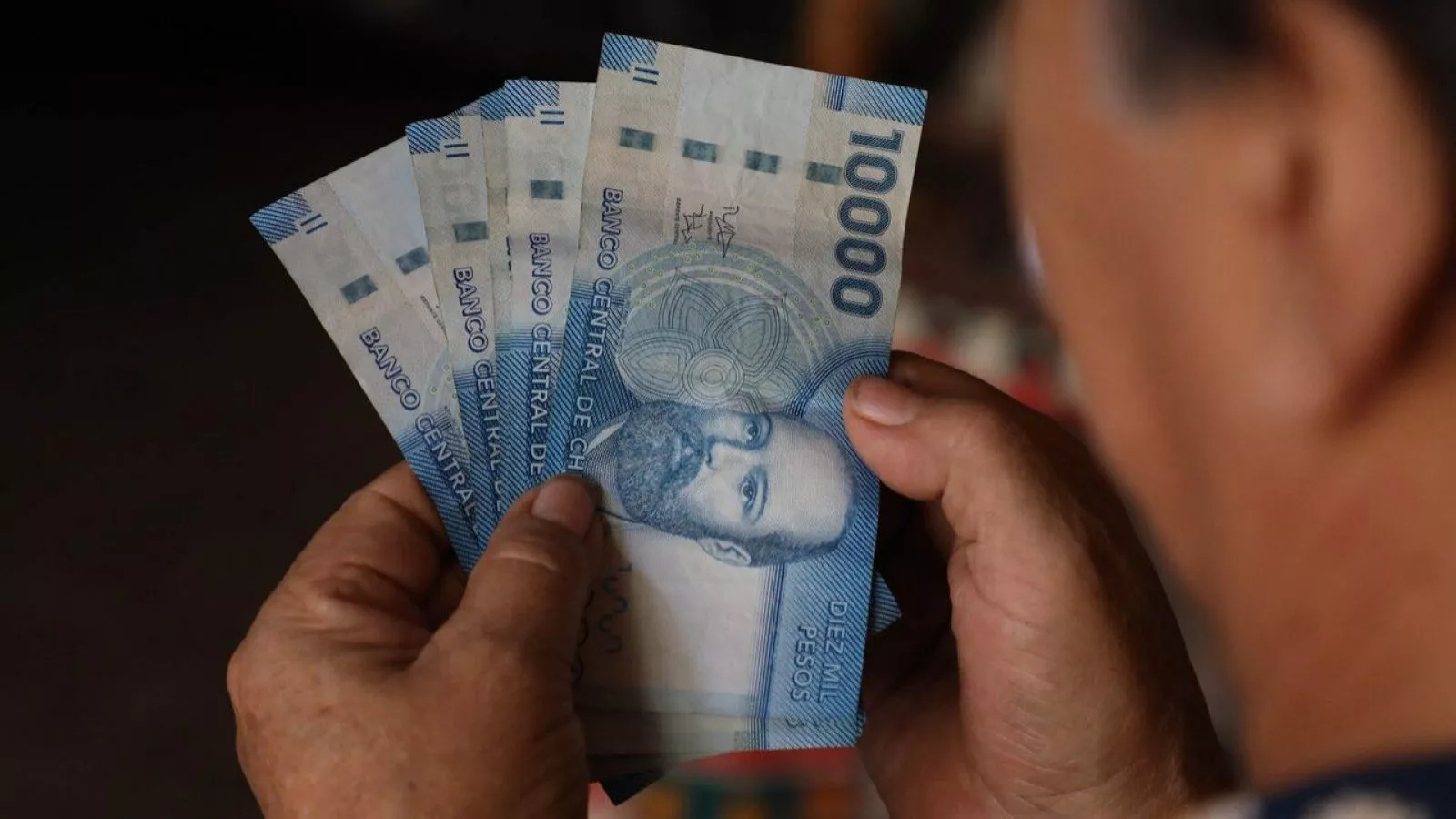
May 2026’s state benefit payments in Chile are rolling out this week, with pensioners and vulnerable families set to receive automatic deposits—including a one-time winter bonus of $81,257 for seniors aged 65 and older, whose monthly pensions do not exceed $231,440. The payments, which began May 26 and continue through May 29, require beneficiaries to check their eligibility via their RUT number through official platforms like ChileAtiende or the IPS website, or by calling the state’s call center. Missing the deadline risks forfeiting funds, as most benefits deposit directly into the CuentaRUT account—but those without it can still collect in person at BancoEstado or Caja Los Héroes.
Who Gets What: The Full Breakdown of May’s State Benefits
Chile’s May benefit calendar is structured around three core pillars: direct pension supplements, labor subsidies, and social protection programs. The most immediate payment is the Bono de Invierno, a seasonal stipend designed to offset higher winter expenses for retirees. According to the official IPS filing, this $81,257 payment is automatic for those meeting the age and income thresholds, with no application required. The Pensión Garantizada Universal (PGU)—a monthly pension floor—remains unchanged at up to $230,000 for qualifying recipients, while the Bono de Protección (Dueña de Casa) continues its monthly disbursements to families enrolled in the Seguridades y Oportunidades program, though its exact amount varies by enrollment duration.

For working-age Chileans, the Bono al Trabajo de la Mujer and the Subsidio al Empleo Joven are due this month, targeting women and young workers in the lowest 40% of the social registry. Unlike the pension benefits, these require active employment—either formal or informal—and are deposited directly into beneficiaries’ accounts on May 29. The state emphasizes that these payments are non-competitive: no additional paperwork or proof of need is required beyond registration in the social housing database.
How to Avoid Missing Your Payment: The RUT Verification System
The Chilean government has streamlined benefit tracking through a single identifier: the RUT (Rol Único Tributario). Since 2020, the system has evolved to auto-match beneficiaries with their entitled payments, but the onus remains on citizens to actively verify their eligibility. The official platforms—ChileAtiende.cl and IPS’s digital portal—allow users to input their RUT and receive a detailed breakdown of pending payments, including the Consultar fecha y forma de pago section, which lists exact deposit dates and collection methods. For those without digital access, the call center at 600 440 0040 provides voice-assisted verification.

Yet the system’s automation has created a new risk: unclaimed funds. The IPS filing notes that a portion of May’s benefits—particularly the Bono de Invierno—have historically sat unclaimed in beneficiaries’ CuentaRUT accounts due to inactivity or lack of awareness. To mitigate this, the state has expanded in-person collection points to BancoEstado and Caja Los Héroes branches, where seniors and low-income families can withdraw cash without needing a bank account. However, the deadline for May’s payments is firm: funds deposited by May 29 must be claimed by June 12, after which they revert to the state.
Why This Matters: The Economic Lifeline for Chile’s Most Vulnerable
May’s benefit rollout is more than a monthly ritual—it’s a critical economic buffer for Chile’s pensioners and informal workers, many of whom rely on these payments to cover essentials like heating, medicine, and food. The $81,257 winter bonus, for instance, represents nearly 40% of the minimum pension for the lowest-income retirees, according to IPS data. Economists note that the timing of these disbursements—aligned with the southern hemisphere’s winter—is deliberate, as energy costs spike during the colder months. Meanwhile, the labor subsidies play a dual role: they provide a wage supplement for precarious workers while also acting as an indirect stimulus for local businesses, as beneficiaries spend the funds immediately.
But the system’s effectiveness hinges on two factors: digital inclusion and transparency. While the RUT verification process has reduced bureaucratic friction, it assumes beneficiaries have access to the internet or a smartphone—a gap that disproportionately affects rural and elderly populations. The state’s expansion of physical collection points is a step toward equity, but it underscores a broader challenge: Chile’s social safety net remains fragmented, with some programs (like the PGU) operating as universal floors and others (like the Bono de Protección) tied to conditional enrollment. The result is a patchwork where eligibility rules vary by age, income, and even geographic region.
The Bigger Picture: How May’s Payments Fit Into Chile’s Social Contract
Chile’s benefit system reflects a tension between automatic entitlements and targeted assistance. The Bono de Invierno and PGU operate on a rights-based model: if you meet the criteria, the payment is yours, with no need to prove hardship. This aligns with Chile’s post-2019 constitutional reforms, which expanded social protections as part of a broader push for economic equity. In contrast, programs like the Bono al Trabajo de la Mujer embed conditionalities, linking aid to labor market participation—a nod to the country’s history of tying welfare to productivity.

Yet the system’s design also reveals its limitations. The $81,257 winter bonus, for example, is a one-time payment, offering no long-term relief for retirees facing inflation or rising healthcare costs. Similarly, the labor subsidies—while critical for informal workers—do little to address structural issues like wage stagnation or job insecurity. As Chile’s demographics shift toward an aging population, the pressure on these programs will only grow. The question for policymakers is whether May’s benefits will serve as a stopgap or a catalyst for deeper reform.
What Happens Next: Deadlines, Appeals, and the Road Ahead
For beneficiaries, the next critical window is June 12, the final day to claim uncollected funds. Those who miss the deadline will need to file an appeal through the IPS portal or visit a local social service office, though processing delays are common. Longer-term, the government is exploring automated reminders—via SMS or email—to reduce unclaimed payments, though rollout has been slow due to digital literacy barriers.
Looking ahead, two trends will shape Chile’s benefit landscape. First, the expansion of digital verification—already underway with the RUT system—could streamline access but risks excluding those without tech access. Second, the pressure on pension funds will likely intensify, given Chile’s rapidly aging population. The $81,257 winter bonus, while welcome, may not be sustainable at current levels without structural changes to pension contributions or state subsidies. For now, beneficiaries should treat May’s payments as a lifeline, not a long-term solution—but the system’s design suggests deeper reforms are inevitable.
One thing is clear: the RUT verification system has modernized Chile’s benefit distribution, but its success depends on beneficiaries knowing how to use it. For those who do, May’s payments offer immediate relief. For those who don’t, the risk of missing out remains—and with it, the broader question of whether Chile’s social safety net is truly inclusive, or just another layer of bureaucracy.