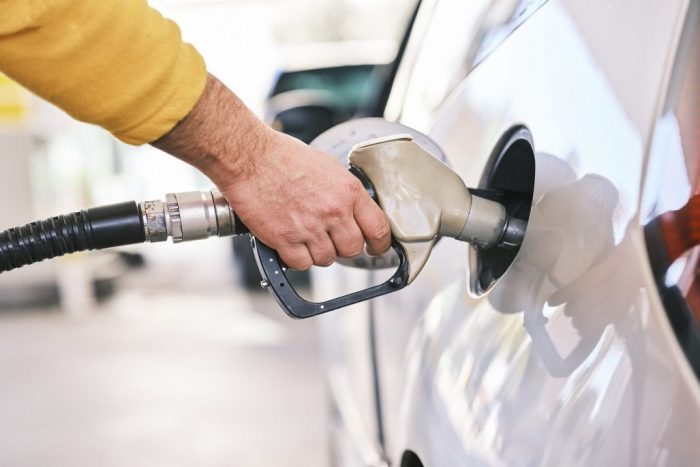
Chile’s fuel market experienced a stark divergence in pricing this week, with diesel plunging $65 per liter while gasoline prices barely budged and liquefied petroleum gas (LPG) surged $37.30, according to the Empresa Nacional del Petróleo (ENAP). The shifts, effective May 28, reflect global market volatility, domestic policy mechanisms, and geopolitical tensions, creating a mixed picture for consumers and industries.
Diesel Plummets, Gasoline Stagnates, and LPG Surges
The most dramatic change came in diesel, which fell $65 per liter, a drop attributed to international crude price declines and reduced global demand. This relief was welcomed by freight operators and public transport providers, who face rising operational costs. However, the respite was offset by a $37.30-per-liter increase in LPG, a fuel commonly used by taxis and urban fleets, which exacerbated financial strain for small businesses and drivers. Meanwhile, gasoline prices saw minimal adjustments: 93-octane dropped 0.3 pesos and 97-octane fell 0.4 pesos, according to ENAP’s May 28 report.
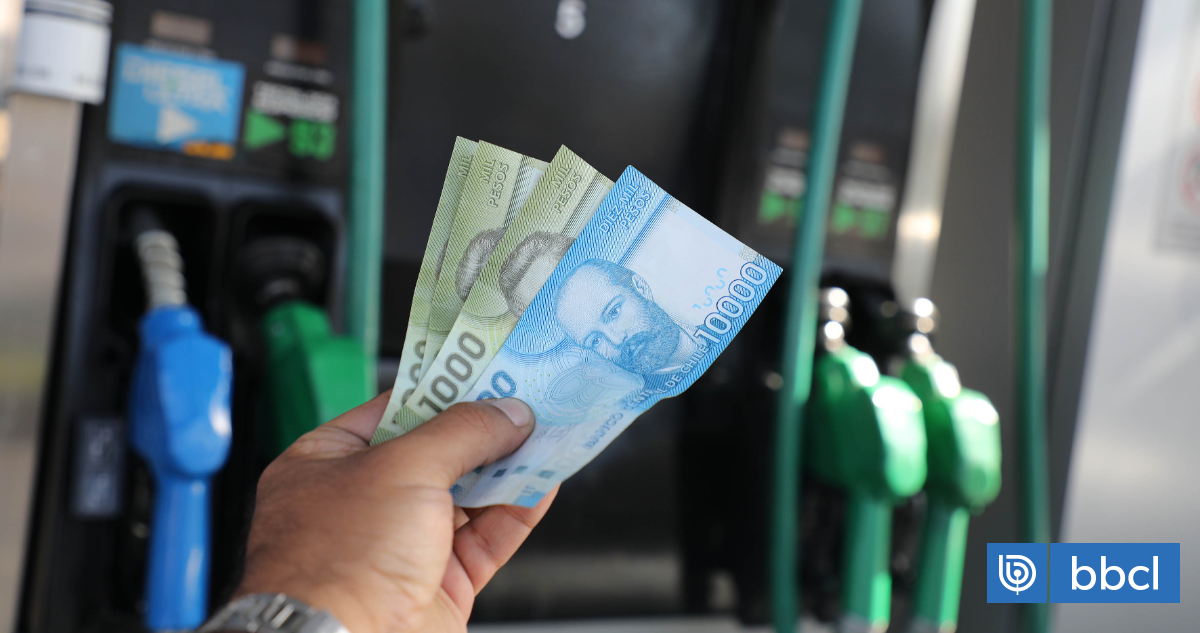
The disparity highlights the complex interplay of global and local factors. The Brazilian crude benchmark, Brent, fluctuated sharply in May, peaking at $114.40 per barrel before settling at $94.60, according to CLAPES UC’s analysis. Simultaneously, Chile’s peso weakened against the dollar, rising from 888 to 908 pesos per dollar, amplifying import costs for refined fuels. “The exchange rate and global oil markets are the primary drivers,” said an economist at the Universidad Católica, noting that diesel’s decline was “a direct reflection of international price drops.”
MEPCO’s Role in Price Stabilization
Chile’s Mecanismo de Estabilización de Precios de los Combustibles (MEPCO) played a critical role in mitigating volatility. The government’s fiscal policy, which adjusts fuel taxes based on global price trends, aimed to shield consumers from extreme fluctuations. According to MEPCO’s framework, tax reductions for gasoline and increased levies on diesel helped balance the market. “The mechanism continues to function to cushion external shocks and protect household budgets,” stated Juan Pablo Rodríguez, undersecretary of Finance, as reported by BioBioChile.
Despite these measures, critics argue that the system favors certain sectors. “While diesel prices dropped, LPG—used by low-income drivers—saw a sharp rise,” said Jorge Berrios, a finance expert at the Universidad de Chile, in an interview with BioBioChile. “The MEPCO’s adjustments are reactive, not proactive, and fail to address long-term structural issues.”
Official Statements and Future Outlook
Minister of Finance Jorge Quiroz emphasized the government’s commitment to “fiscal responsibility” amid uncertainty. “We aim to balance international trends with domestic needs, ensuring minimal inflationary pressure,” he stated, as reported by Publimetro. His remarks followed a May 28 announcement that gasoline prices would remain stable for the next three weeks, though LPG hikes could persist.
Analysts predict further fluctuations depending on geopolitical developments.