Puerto Rican honey producer Pura Miel secured second place in a Colombian honey competition on May 31, 2026, marking a significant international recognition for the island’s agricultural sector.
Puerto Rican Honey Crowned in Colombian Competition
Pura Miel, produced by Los Apiarios del Hoconuco, achieved second place in a honey tasting event in Colombia on May 31, 2026, according to a report by El Nuevo Día. The competition, held in Cali, Colombia, evaluated over 30 honey samples from Latin American producers, with Pura Miel scoring 54 out of 60, as noted in a social media post by the producer. This result highlights growing global interest in Puerto Rico’s artisanal honey, which has historically faced challenges in competing with larger producers in the region.
The achievement follows a separate recognition on May 23, 2026, when Pura Miel was classified among the five best honeys in Latin America during an international competition. A Facebook post from the producer emphasized the milestone, stating that the win “marks a historic moment for Puerto Rican beekeepers.” While the exact name of the competition remains unspecified in available sources, the repeated acclaim underscores the product’s rising reputation.
Economic Implications for Puerto Rico’s Agribusiness
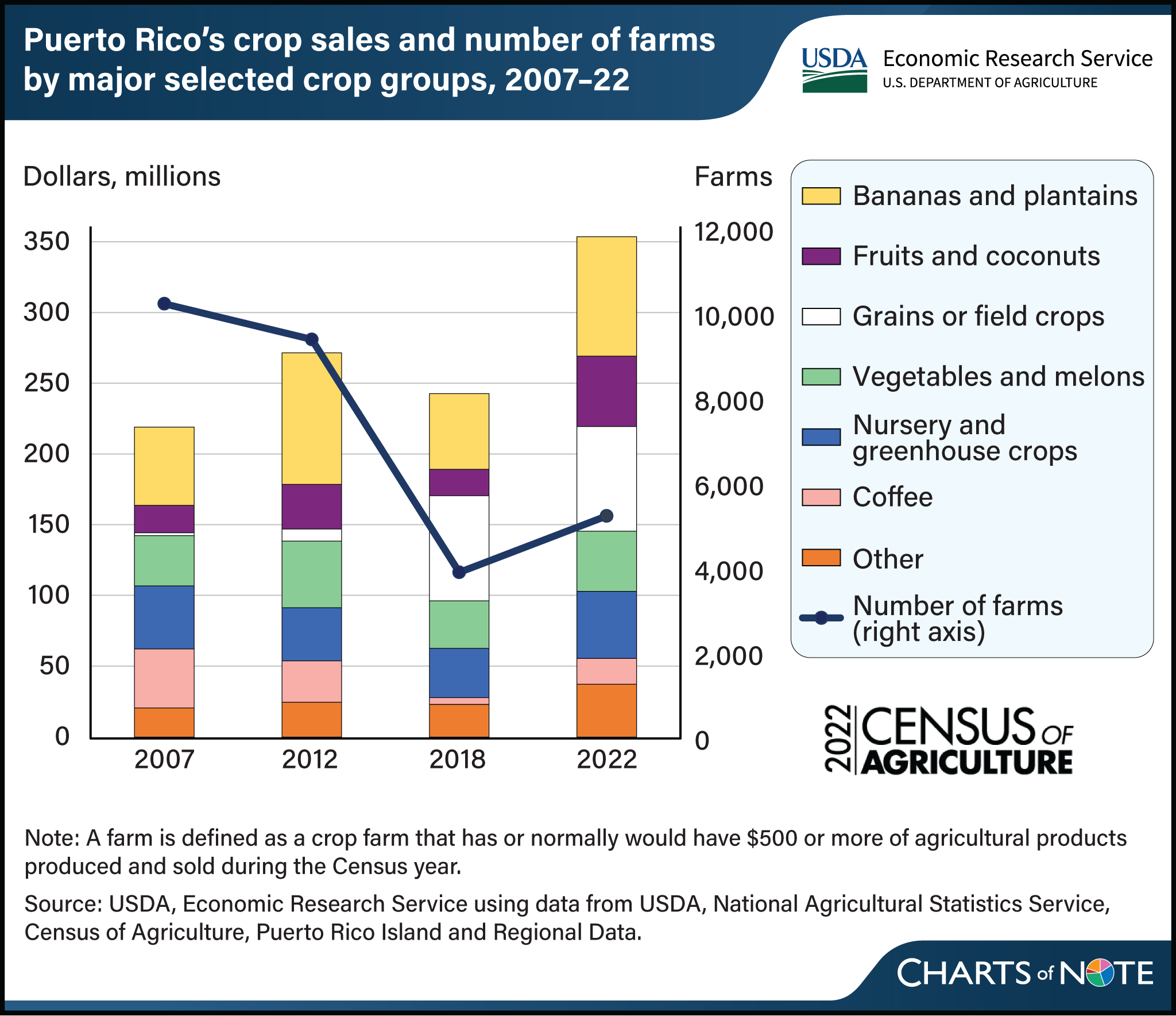
The success of Pura Miel in international markets could signal a strategic opportunity for Puerto Rico’s agribusiness sector, which has struggled with limited export channels and competition from mainland U.S. and Latin American producers. According to the U.S. Department of Agriculture, Puerto Rico’s honey production has remained relatively stable since 2020, with annual output averaging around 1,200 metric tons. However, the island’s small-scale producers have faced barriers to accessing premium markets due to regulatory hurdles and branding challenges.
Economists note that international awards like this one could enhance the value proposition of Puerto Rican honey. “Recognition in a competitive market like Colombia can act as a catalyst for premium pricing and expanded distribution,” said Dr. Marisa López, an agricultural economist at the University of Puerto Rico. “This could encourage investment in quality control and sustainable practices, which are critical for long-term competitiveness.”
The win also aligns with broader trends in consumer demand for specialty and organic products. A 2025 report by the International Trade Administration highlighted a 12% annual growth in U.S. imports of premium honey, driven by health-conscious buyers. Puerto Rico’s honey, often marketed as “natural” and “unprocessed,” could leverage this trend to carve out a niche in both domestic and international markets.
Challenges and Pathways Forward
Despite the accolades, Puerto Rican honey producers face logistical and financial challenges. The island’s reliance on imported equipment and limited infrastructure for cold-chain storage hinder scalability. Additionally, Puerto Rico’s status as a U.S. territory complicates trade agreements, as the island must navigate federal regulations while competing with countries that have bilateral trade deals with Latin American nations.
Industry stakeholders are advocating for policy reforms to support local producers. “We need targeted subsidies for beekeepers, as well as streamlined export protocols,” said José Martínez, president of the Puerto Rico Beekeepers Association. “This award is a step forward, but sustained growth requires systemic support.”
The recent success may also inspire collaboration between local producers and international buyers. Colombian judges at the competition reportedly expressed interest in partnering with Puerto Rican apiaries, citing the honey’s unique flavor profile. Such partnerships could open doors to new markets, including Europe and Asia, where premium honey commands higher prices.
What Comes Next?
The immediate focus for Pura Miel and other Puerto Rican producers will be leveraging the award to secure distribution deals in Colombia and beyond. Marketing efforts are expected to emphasize the product’s quality and the story of its production, a strategy that has proven effective for other niche agricultural exports.
Looking ahead, the long-term impact of this recognition will depend on the ability of Puerto Rican producers to maintain consistency and scale operations. As global demand for sustainably sourced food products grows, the island’s honey industry may find itself at a crossroads—either as a symbol of artisanal craftsmanship or as a case study in the challenges of small-scale agribusiness in a competitive world.