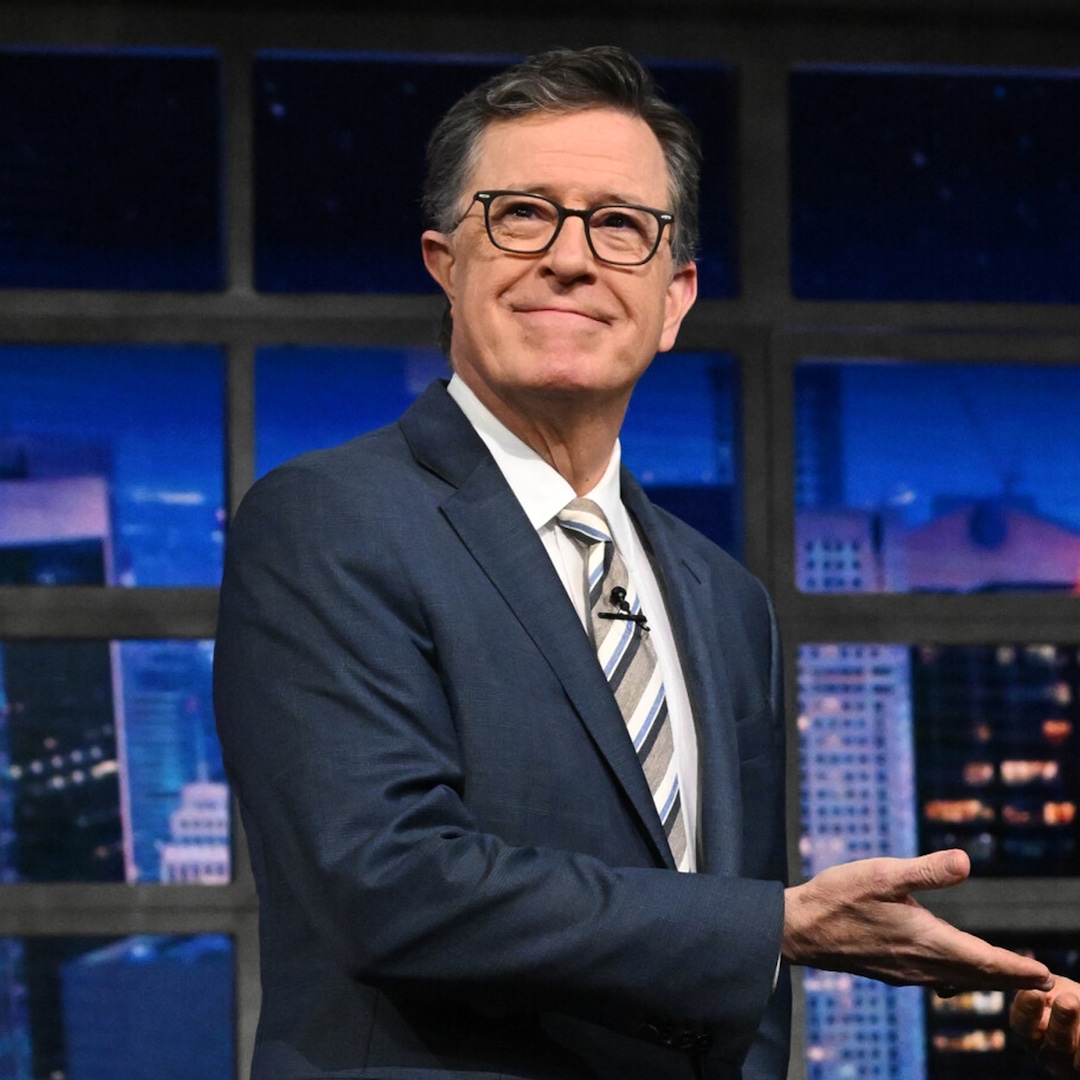
Stephen Colbert concluded his 11-year run hosting The Late Show with Stephen Colbert on May 21, 2026, marking the end of an era at the Ed Sullivan Theater. The final episode featured a guest appearance by Sir Paul McCartney and a series of comedic tributes from fellow late-night hosts and industry peers.
A Final Farewell at the Ed Sullivan Theater
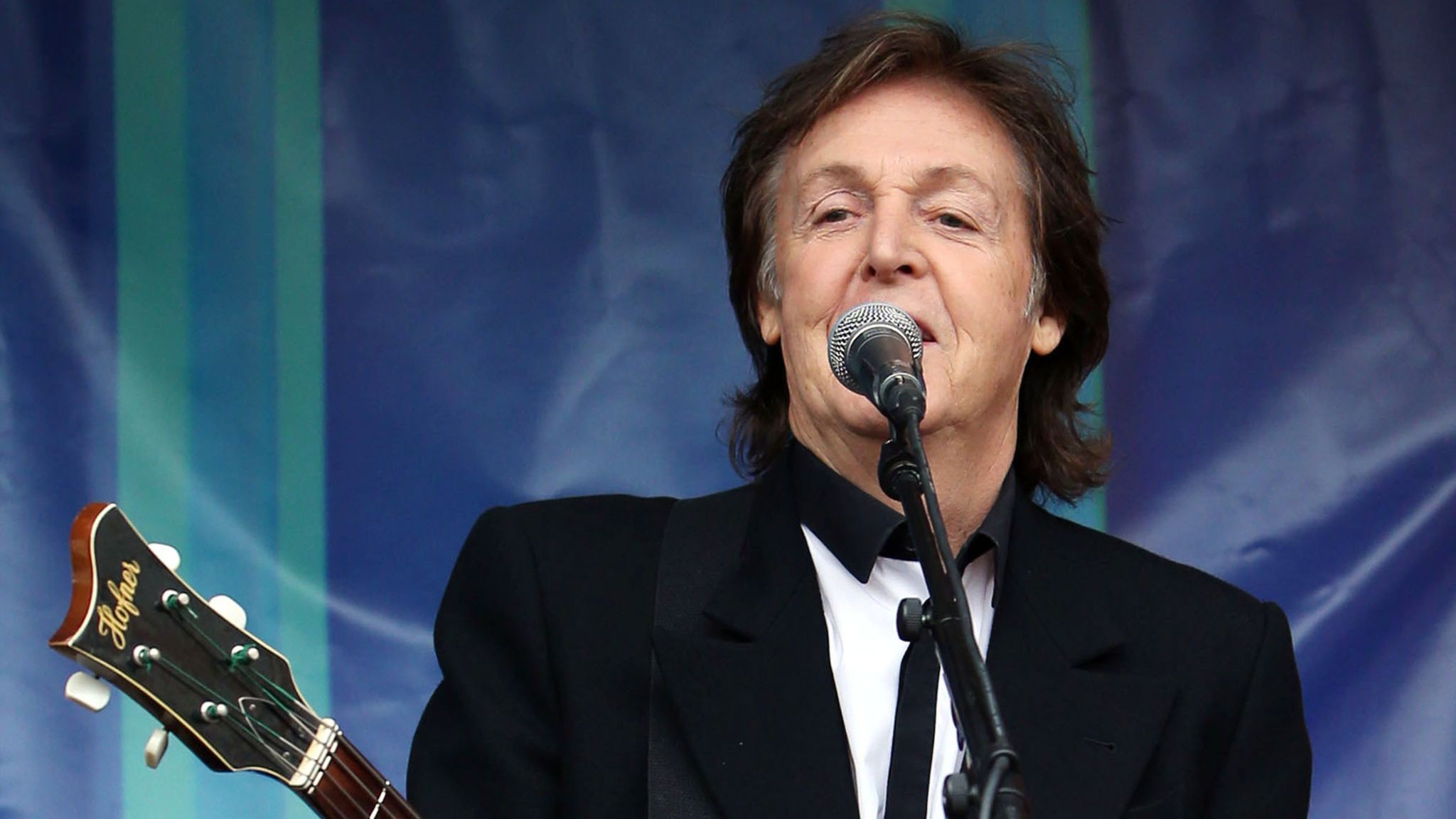
The swan song for the long-running program was a meticulously orchestrated event, blending nostalgia with the biting, self-aware humor that defined the host’s tenure. During the final broadcast, Colbert welcomed Sir Paul McCartney to discuss the history of the legendary venue where The Beatles famously performed their first U.S. show. The interview served as a bookend to 11 years of production, grounding the finale in the theater’s deep musical heritage.
Sir Paul McCartney
According to reporting from E! Online, the host was joined by a cavalcade of celebrities, including Ryan Reynolds, Jon Stewart, and Neil deGrasse Tyson, who participated in various comedic segments. The emotional weight of the night was amplified by the presence of his Strike Force Five colleagues—Jimmy Kimmel, Jimmy Fallon, Seth Meyers, and John Oliver—who appeared to offer a collective send-off to their peer.
The Joy Machine: Colbert’s Philosophy on Late-Night Labor
Colbert’s closing monologue served as both a reflection on his career and a commentary on the grueling nature of the industry. Addressing the audience directly, he moved away from traditional stage entrances to speak candidly about the production of over 1,800 episodes. He characterized the show as a complex piece of machinery that required immense dedication to maintain.
cluster (priority): nbcrightnow.com
“This show has been a joy for us to do for you. We call it ‘The Joy Machine,’ because to do this many shows, it has to be a machine. But the thing is, if you choose to do it with joy, it doesn’t hurt as much when your fingers get caught in the gears.”
How Stephen Colbert Ended 'The Late Show' With Help From Paul McCartney, Ryan Reynolds & More
Stephen Colbert, host of The Late Show
In a moment that NBC Right Now reported, Colbert also acknowledged the shift in his professional mission. Reflecting on his transition from The Colbert Report to the CBS stage, he noted that while he once promised to “read the news” to his audience, he eventually realized his role had evolved into “feeling the news” with them. This admission underscored the intimate, often high-stakes relationship he developed with his viewers over more than a decade.
The Context of Cancellation and Corporate Mergers
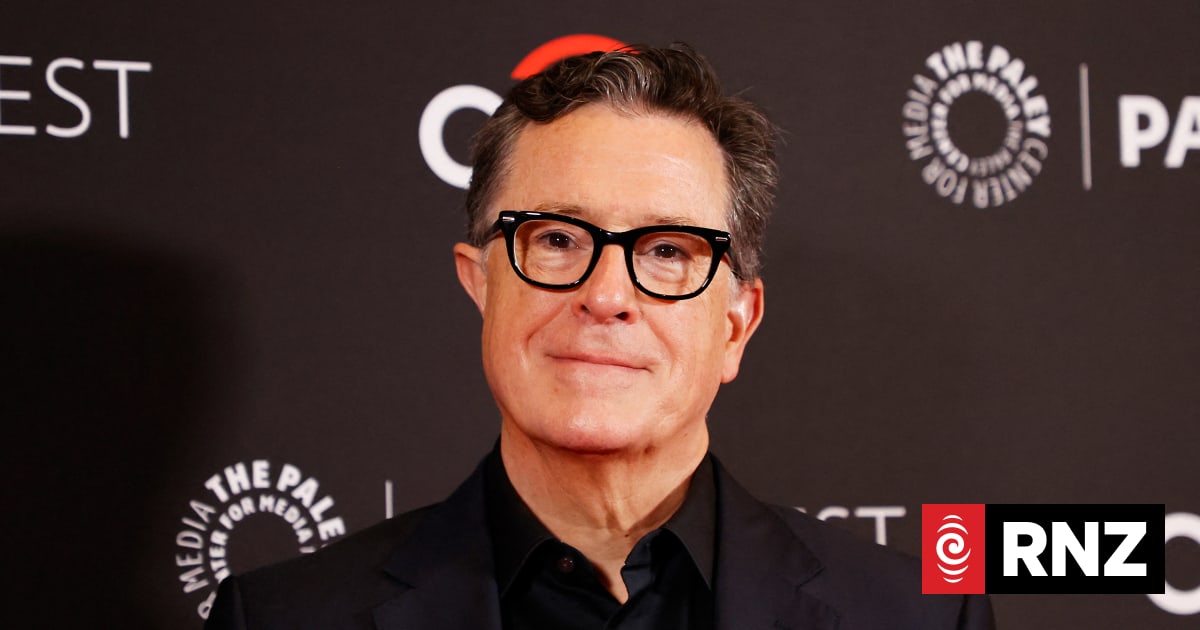
The finale arrived against a backdrop of prolonged industry speculation. The program’s cancellation was officially announced in July 2025, a timeline that RNZ noted coincided with intense scrutiny regarding CBS’s parent company, Paramount, and its pursuit of regulatory approval for a merger with Skydance.
cluster (priority): rnz.co.nz
While the network has maintained its operational stance, the timing of the show’s axing fueled persistent rumors of political influence. Critics and industry observers frequently pointed to the host’s critical commentary on the Trump administration as a potential factor in the network’s decision to move on. Despite the public debate, Colbert himself consistently declined to confirm these theories, opting instead to focus on his team and the collaborative culture they built at the theater.
Gratitude to Local Affiliates and the Path Ahead
In the lead-up to the final broadcast, Colbert extended a specific gesture of appreciation toward CBS affiliates across the country. In a message shared with local stations, he thanked them for their support as lead-ins for his program, acknowledging the diverse content they provided—from local human-interest stories to reports on animals entering coffee shops. It was a characteristic nod to the broader ecosystem of television, acknowledging that his show was one part of a much larger, localized network.
As the lights dimmed on the Ed Sullivan Theater, the industry is left to consider the future of the traditional late-night format. With the conclusion of this 11-year run, the landscape of late-night television continues to contract, leaving viewers and critics alike to wonder if the “Joy Machine” model—a high-production, daily cultural touchstone—can be replicated in an increasingly fragmented digital media environment.