
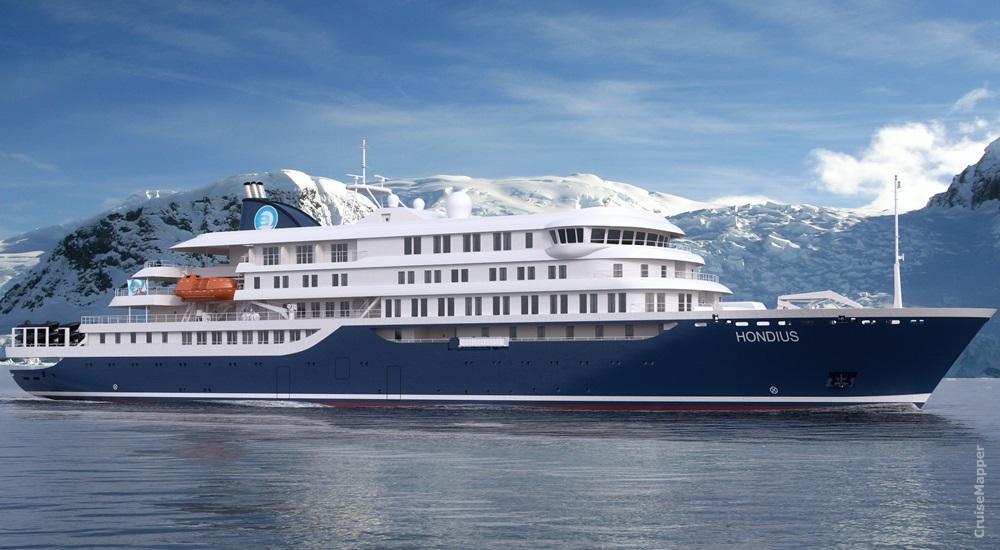
Four Canadians are currently in mandatory quarantine on Vancouver Island following their return from an expedition cruise aboard the MV Hondius, which has been linked to a multi-country hantavirus outbreak. As of May 16, 2026, health authorities are monitoring the situation as international investigations into the respiratory cluster continue.
Cruise Ship Outbreak Status
The World Health Organization (WHO) was first notified of a cluster of severe respiratory illness aboard the Dutch-flagged cruise ship on May 2, 2026. The vessel was carrying 147 passengers and crew at the time. By May 4, 2026, officials had identified seven cases, including two laboratory-confirmed hantavirus infections and five suspected cases. The outbreak has resulted in three deaths, one critically ill patient, and three individuals reporting mild symptoms.
Clinical presentations for those affected included fever and gastrointestinal distress, progressing rapidly to pneumonia, acute respiratory distress syndrome, and shock. Illness onset for the cluster occurred between April 6 and April 28, 2026. While human-to-human transmission of hantavirus is rare, it has been documented in previous outbreaks involving the Andes virus species. WHO officials have stated that the risk to the global population remains low.
Monitoring and Containment Efforts
Following the evacuation of the ship, international health agencies initiated a coordinated response, including medical evacuation, case isolation, and intensive laboratory investigations. By May 11, 2026, eighteen passengers had returned to the United States and were placed under medical monitoring.

In Canada, provincial health authorities have taken action regarding the four citizens who were aboard the MV Hondius. While these individuals have been placed in mandatory 21-day isolation on Vancouver Island, British Columbia health officials have indicated that none of the four Canadians had known direct contact with the passengers who fell ill. The quarantine period is a precautionary measure to ensure public safety while the epidemiological investigation remains active.
Pathogen Transmission and Clinical Context
Hantavirus infection is primarily transmitted to humans through contact with the urine, feces, or saliva of infected rodents. The disease is characterized by its potential for rapid clinical deterioration. Because the virus is rare, clinical management often focuses on intensive supportive care, particularly for patients experiencing respiratory failure.
The investigation into the MV Hondius cluster involves collaboration between multiple international health focal points, including the United Kingdom, where the initial notification to the WHO originated. Laboratory confirmation for the critically ill patient was conducted in South Africa. As of May 8, 2026, the WHO reported a total of eight cases—six confirmed and two suspected—linked to the ship.
Authorities continue to track the health status of all passengers and crew who were on the vessel during the period of potential exposure. Any individuals who develop respiratory symptoms following travel on the MV Hondius are advised to seek medical attention and disclose their travel history to healthcare providers.
Public Health Surveillance and International Coordination
The global response to the MV Hondius outbreak is being managed under the framework of the International Health Regulations. This mechanism allows the WHO to serve as a central hub for information sharing when a disease event has the potential to cross international borders. The notification process began when the initial cases of severe respiratory distress were flagged, triggering a series of protocols meant to contain the spread of the virus.
The diagnostic process for hantavirus typically involves specialized molecular testing to detect viral RNA in clinical specimens. Because the clinical presentation of hantavirus cardiopulmonary syndrome can mimic other, more common respiratory conditions, clinicians are instructed to maintain a high index of suspicion for patients presenting with sudden onset of fever, myalgia, and respiratory compromise if they have a history of travel or potential environmental exposure to rodent-infested areas.
While the current cluster is specifically linked to an expedition cruise environment, public health agencies emphasize that hantavirus is a zoonotic disease. The primary risk factor remains environmental exposure rather than secondary transmission between people. The epidemiological investigation currently underway is focused on identifying the specific source of the outbreak onboard the vessel, including the potential for rodent presence in areas accessible to passengers or crew during the expedition.
The quarantine measures implemented on Vancouver Island for the four Canadians align with standard public health procedures for monitoring individuals who may have been exposed to a high-consequence pathogen. The 21-day duration is consistent with the known incubation period of the virus, providing a safety window to observe for the development of symptoms. Health authorities in British Columbia are overseeing this monitoring period to ensure that if any of the individuals were to become symptomatic, they would be immediately transitioned into a clinical setting equipped to provide the necessary supportive care.
This remains an evolving public health situation. For those who were on the vessel or have concerns regarding potential exposure, consult your healthcare provider for guidance on monitoring and appropriate diagnostic testing.