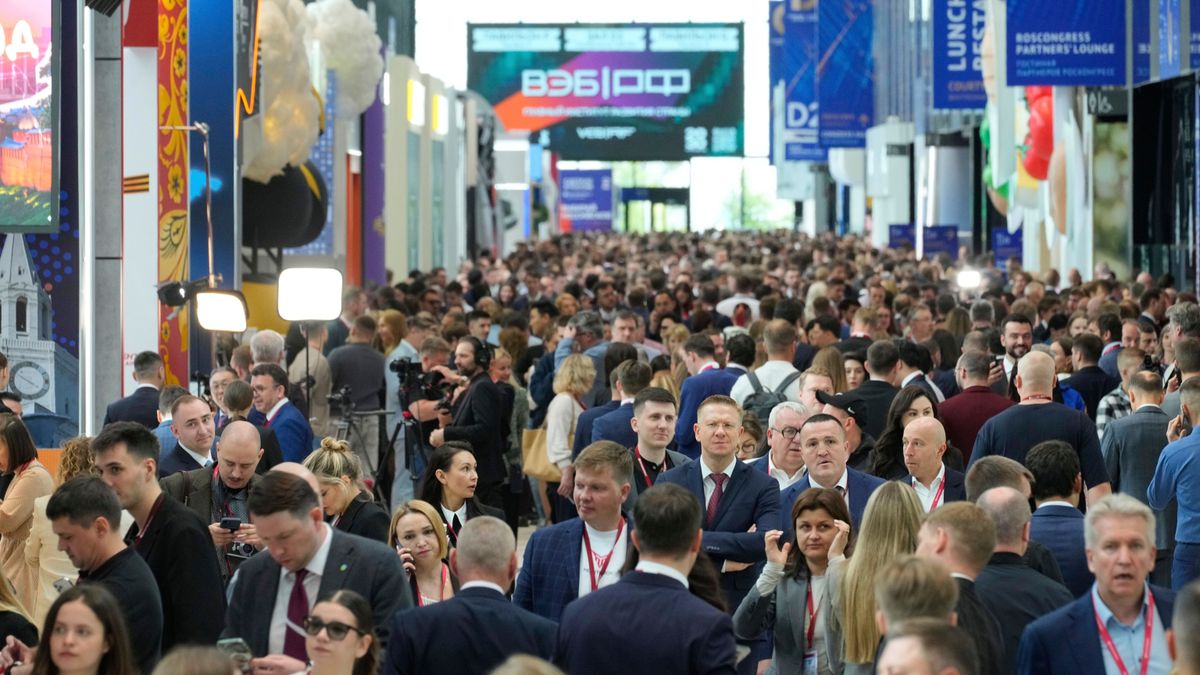
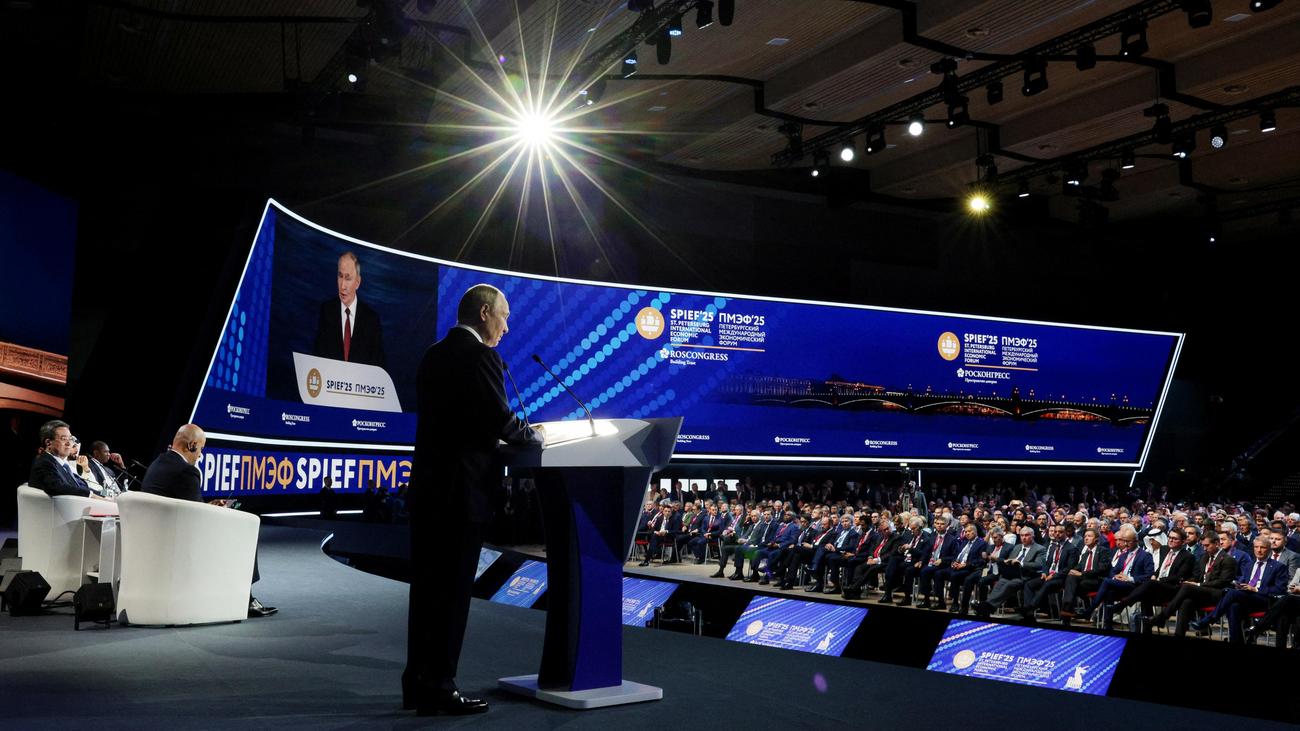
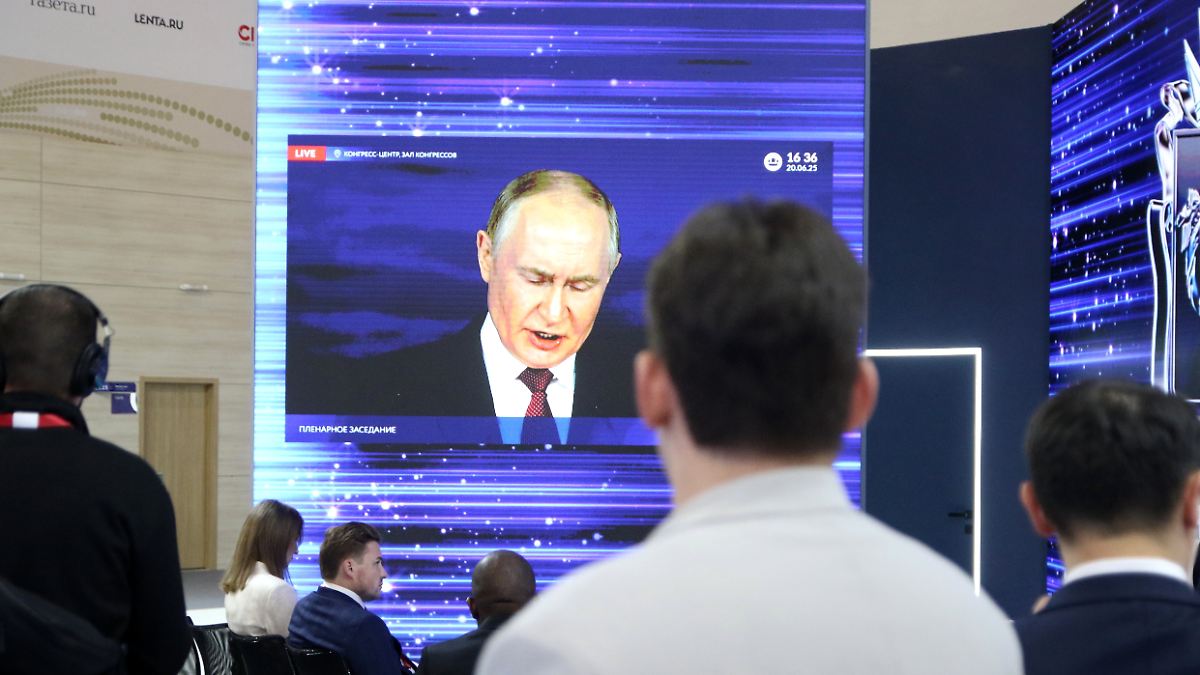
German businesses are returning to the St. Petersburg International Economic Forum (SPIEF) this year, ending a multi-year hiatus caused by the war in Ukraine. According to the German-Russian Chamber of Commerce, officials are aiming to preserve economic ties and safeguard over 100 billion euros in German assets for the post-conflict period.
A Return to the St. Petersburg Stage
cluster (priority): DIE ZEIT
After years of official restraint following the Russian invasion of Ukraine, German entrepreneurs are once again appearing at the St. Petersburg International Economic Forum, which runs from June 3 to June 6, 2026. This shift marks a notable change in stance for a business community that had previously distanced itself from the Kremlin-hosted event.
The move is framed by the German-Russian Chamber of Commerce as a strategic effort to maintain a presence in a market where German firms still hold significant interests. Matthias Schepp, the board chairman of the chamber, explained the rationale behind the return in statements reported by the German Press Agency (dpa).
“Not least for the moment after a ceasefire, we want, like other large Western countries, to maintain the economic bridge to Russia and protect the more than 100 billion in German assets in Russia.”Matthias Schepp, board chairman of the German-Russian Chamber of Commerce, via n-tv
While German firms are now re-engaging, they are following a path previously taken by other Western entities. According to DIE ZEIT, representatives from the United States and France have been participating in the forum’s business dialogues since last year. Schepp argued that the West should not leave the Russian market and its vast raw materials to Asian competitors permanently, noting that Chinese entrepreneurs established 1,400 new companies in Russia during the first quarter of this year alone.
Corporate Presence and Economic Realities
Russia’s annual economic forum attracts US businesses
The scale of German business activity in Russia remains substantial despite the geopolitical climate. The German-Russian Chamber of Commerce reports that approximately 1,600 German companies continue to operate within the country. These firms generated a collective turnover of roughly 20 billion euros in the past year.
However, the broader trade relationship has suffered significant contraction due to Western sanctions. As reported by the Kölner Stadt-Anzeiger, the bilateral trade volume between Germany and Russia fell to less than 10 billion euros in 2025. This stands in stark contrast to the period immediately preceding the conflict, when Germany was Russia’s largest European trading partner. In 2021, the trade volume reached 59.7 billion euros, with a historical peak of 80 billion euros recorded in 2012.
Despite the financial strain caused by sanctions, internal data suggests a strong desire among these firms to maintain their local operations. A recent survey conducted by the chamber among 750 members found that nearly all companies intend to stay in Russia, viewing the market as fundamentally important. Of the 265 participants who responded to the survey, 75 percent indicated they were satisfied with the development of their Russian business, even while reporting losses in the millions due to the current sanctions regime.
Political Delegations and Cultural Diplomacy
cluster (priority): news.google.com
The forum’s program extends beyond traditional business dialogue, incorporating sessions on “culture as a bridge-builder in times of crisis.” This segment features a diverse group of German participants, including the conductor Justus Frantz, filmmaker and journalist Hubert Seipel, and Berlin publisher Holger Friedrich.
Political attendance has also drawn attention, particularly from the Alternative for Germany (AfD) party. According to BILD, a delegation of high-ranking AfD politicians is traveling to St. Petersburg at the invitation of the Kremlin’s orbit. The group includes Saxon AfD leader Jörg Urban, Bundestag faction economic policy spokesman Steffen Kotré, foreign policy spokesman Markus Frohnmaier, and Member of the European Parliament Petr Bystron.
The invitation, signed by senior Putin advisor Anton Kobyakov, explicitly notes that the Russian President, Wladimir Putin, is expected to attend. For his part, MEP Petr Bystron defended the trip, stating that he intends to use the visit to advocate for an end to the conflict and a normalization of economic relations, specifically mentioning the desire for companies like Siemens and BMW to resume full operations in the country.
Critics, however, view the attendance as a propaganda victory for the host. Nico Lange, a military expert and Russia analyst, described the forum as a stage used by the Kremlin to project an image of international legitimacy. In previous years, the forum has served as a platform for Putin to articulate policy stances on the conflict, including claims regarding territorial sovereignty and historical regional ties. As the 2026 forum begins, the presence of these German business and political figures highlights the ongoing tension between maintaining long-term commercial assets and navigating the severe diplomatic and economic isolation imposed by Western governments.